
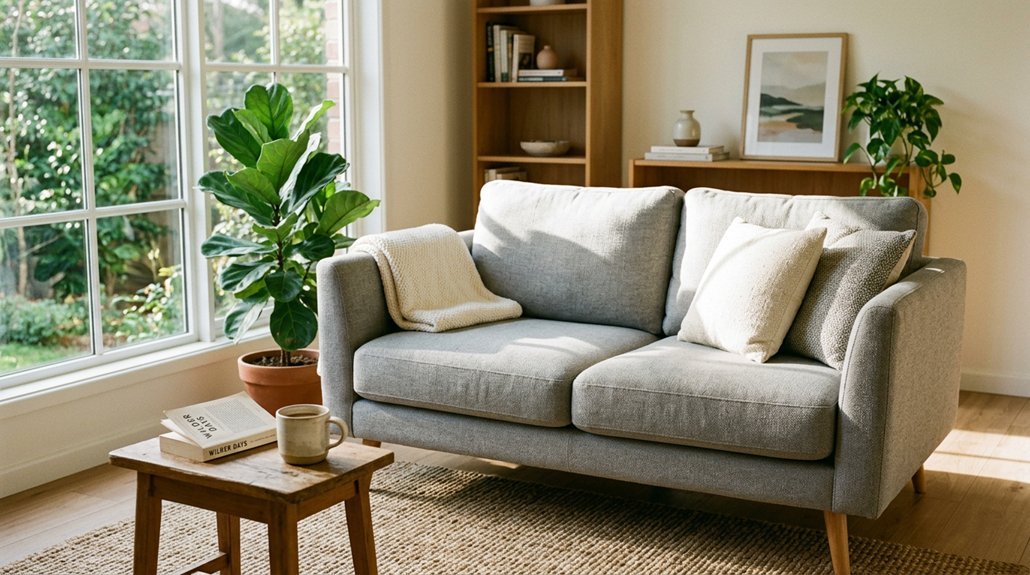


You’re about to buy new seating, but you’re stuck on the labels. Sofa, couch, loveseat, they all look similar in photos. How do you pick the right one for your living room? The truth is, these pieces differ more than you might think. Size, comfort, and style all shift depending on which word is on the tag. Get it wrong, and you’ve got cramped guests or a giant piece swallowing your space. Get it right, and your room finally feels like home. Let’s break down what actually separates them.
Which Fits Your Space: Sofa, Couch, or Loveseat?
Finding the right seating starts with knowing what you’re actually working with. You’ve got three solid choices, and each fits different rooms and routines.
Loveseat
You’ll want a loveseat when space is tight. It’s typically 58–70 inches wide (often 60), about 34 inches deep, and seats up to two people. Measure width, depth, and seat depth carefully, since arm and cushion styles shift the fit.
Couch
Pick a couch for casual, everyday lounging. These feel softer and deeper than sofas, with 3-seaters running 75–90 inches wide. Check your layout clearance, especially with reclining options, since relaxed seating needs extra breathing room from your coffee table.
Sofa
Sofas suit your main living area with tailored, structured seating. They’re larger, 75–90+ inches for 3-seaters, and handle three or more guests comfortably.
Choose what matches your space and how you actually live.
Recommended Products

Oversized Deep Seat Sofa: The EASE MOOSE oversized Modular couch spacious and soft seat provides you with the ultimate comfortable experience. Each individual seat size:...
Sofas: When You Want Polished, Structured Seating
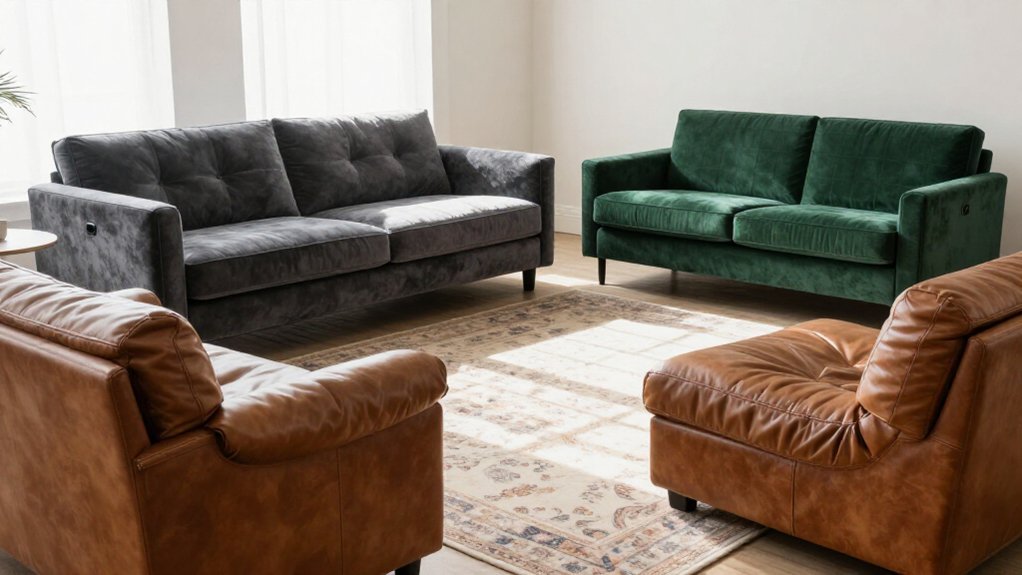
The sofa is your go-to when you want seating that looks put-together and intentional.
The sofa delivers seating that looks intentionally styled and effortlessly refined.
When you compare Sofa vs Couch vs loveseat options, you’ll notice sofas stand out for their polished, structured design. They feature rigid frames and uniform styling that feels more tailored than casual alternatives.
Most sofa types seat three or more people comfortably. Standard dimensions run 75–90 inches wide, 34–40 inches deep, and 30–36 inches tall. An 84-inch organic sofa works beautifully as your main seating centerpiece.
You’ll appreciate how modern sofas balance deep-seat comfort with an upright, structured silhouette. This designer-forward look coordinates well with matching pieces. If you want your living room to feel intentional and refined rather than overly relaxed, a sofa delivers that finished aesthetic you’re after.
Recommended Products

SUPERIOR FABRIC: 80% Polyester+20% Spandex, high quality stretchy jacquard fabric, soft and comfortable.

Comfortable Three-Seater Design: This spacious recliner sofa 3 seat offers an extra-wide design with three seats, making it perfect for family movie nights or hosting guests. The overstuffed design ensure a plush and comfortable seating experience for everyone.

HIGH QUALITY MATERIAL: This innovated 6 Piece love seat reclining 2 seater cover is crafted from luxurious jacquard fabric, and is very soft, comfortable and sturdy ULTIMATE DECORS Love seat covers are as close to custom.
Couches: The Relaxed Choice for Everyday Living
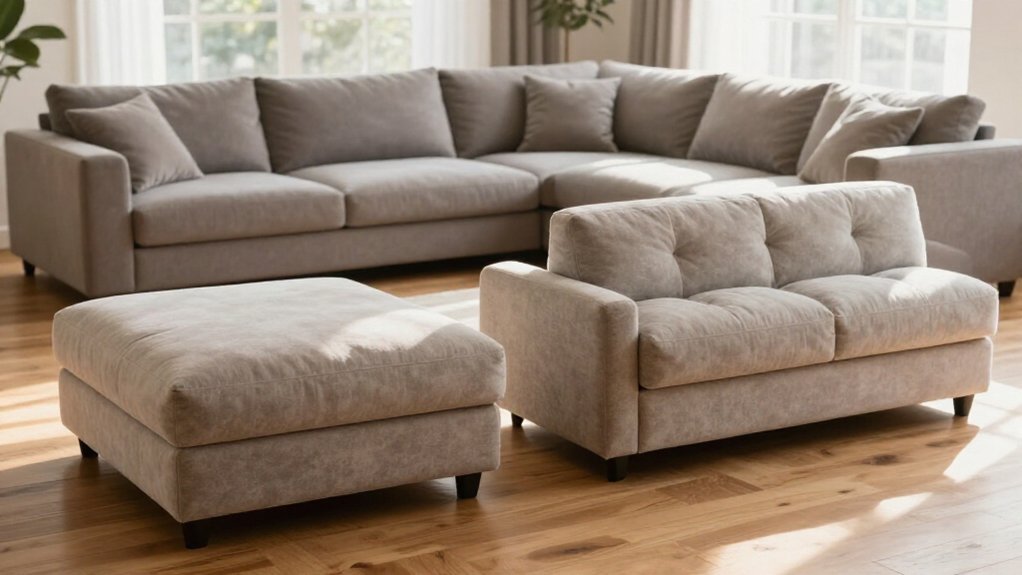
You’ll find couches right at home in casual family spaces where movie nights and lazy Sundays rule. Their deep, overstuffed cushions practically beg you to stretch out and lounge, whether you’re binge-watching shows or sneaking in an afternoon nap. Plus, with handy features like built-in recliners and relaxed shapes that often skip the formal matched arms, couches handle everyday conversation and solo relax time without trying too hard.
Recommended Products
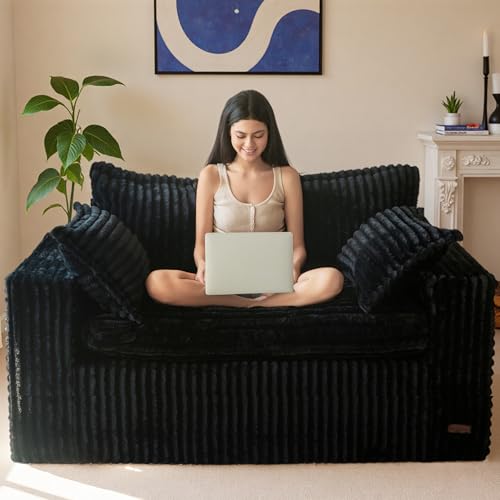
Comfortable Sofa Couch: Designed for comfort, this sofa couch features an extra-high backrest and wide armrests that provide strong ergonomic support for your back, shoulders, and arms. Ideal for lounging, reading, watching TV, or relaxing after a long day

Sectional Recliner Sofa Covers Set: this couch and loveseat covers set include 1 pcs three seater sofa cover, 1 pcs loveseat cover; The size of three seater sofa cover is about 68 inches/ 173 cm to 90 inches/ 229 cm in length, and the size of loveseat cover is about 48.03 inches/ 122 cm to 67.72 inches/ 172 cm; Please refer to the measurements before purchasing

Sectional Sofa Covers Set: the sofa cover set include 1 three seater sofa cover, 1 loveseat cover, and 1 arm chair cover; the size of three seater sofa cover is about 68 inches/ 173 cm to 90 inches/ 229 cm in length, the size of loveseat cover is about 48.03 inches/ 122 cm to 67.72 inches/ 172 cmand the size of 1 seater sofa cover is about 31.89 inches/ 81 cm to 47.64 inches/ 121 cm; Please refer to the measurements before purchasing
Casual Family Spaces
If you want a spot where your family can truly unwind, a couch might be your best bet. Couches bring a relaxed vibe that sofas often lack, making them perfect for movie nights, casual chats, and everyday lounging.
You’ll notice couches run shorter yet deeper than typical sofa and couch designs. This gives you plush seating without eating up too much floor space. In small apartments, that extra depth lets you sink in and stretch out without needing a massive footprint.
Look for soft cushions and durable fabrics like microfiber that handle spills and heavy use. Just measure carefully before you buy. Deep couches need clearance for walkways and coffee tables, so grab your tape measure and map it out first.
Deep Lounge Comfort
Deep lounge comfort starts with a couch built for real life, not just display. You’ll notice a couch feels deeper and softer than a typical sofa, giving you that sink-in feeling perfect for movie nights and lazy afternoons.
A sofa often keeps you upright and alert, but a couch invites you to stretch out fully. Look for plush cushions and relaxed arm designs, sometimes armless or with just one arm, which keeps things casual without sacrificing seating for two or three people.
When you’re measuring your space, remember that reclining couches need extra clearance between the seat and your coffee table. Most couches offer seat depths around 20–24 inches, but they emphasize lounge posture over stiff, formal lines.
Choose a couch when comfort wins over structure in your everyday living.
Versatile Daily Function
For everyday life, a couch fits right into your routine without fuss. You sink into deeper cushions built for lounging, not stiff posture. Whether you’re hosting movie nights or chatting with family, a couch invites you to recline without overthinking.
Couches often sport plush, overstuffed padding and relaxed silhouettes, sometimes armless or single-armed. These details prioritize soft comfort over rigid structure. Their shorter yet deeper frames suit small apartments or cozy entertainment zones perfectly. You stretch out solo without sacrificing floor space.
Consider these perks for daily living:
- Deeper seats encourage true relaxation
- Family-friendly designs handle real wear
- Compact depth works in tight rooms
If you value casual living over formal hosting, a couch aligns with your lifestyle. Even outdoor living setups now feature weatherproof couch styles for relaxed entertaining anywhere.
Loveseats: Small-Space Seating That Still Invites Company
You’ll find that a loveseat’s compact two-person design gives you the perfect middle ground between a full sofa and a single chair. Its space-saving versatility lets you tuck comfortable seating into bedrooms, offices, or small apartments without blocking walkways. You can style small rooms smartly by using it as your main seating or pairing it with a larger sofa when you need extra room for guests.
Recommended Products

Superior Fabric: 80% Polyester+20% Spandex, high quality stretchy jacquard fabric, soft and comfortable.

Superior Fabric: 80% Polyester+20% Spandex, high quality stretchy jacquard fabric, soft and comfortable.

Superior Fabric: 80% Polyester+20% Spandex, high quality stretchy jacquard fabric, soft and comfortable.
Compact Two-Person Design
Picture a seat built just for two: that’s the loveseat in brief. When you compare Sofa Vs Couch vs Loveseat options, you’ll notice the loveseat’s compact two-person design stands apart. You get roughly 58–70 inches of width, about 30–40 inches deep, and 30–36 inches tall. That’s noticeably smaller than standard sofas, which stretch 75–90 inches and seat three or more.
You can tuck a loveseat into apartments, offices, porches, or balconies without crowding your space. It still looks like real living room furniture, just scaled down. You seat two adults comfortably, and you avoid the overwhelming bulk a full sofa brings. Pair it with a larger sofa for extra guest seating, or let it anchor a cozy conversation nook on its own.
Space-Saving Versatility
That compact two-person design opens up more possibilities than you might expect.
When you compare Loveseat vs Sofa: Whats different, you’ll see the loveseat’s footprint wins in smaller spaces. At roughly 60 inches wide versus a sofa’s 84 inches, you’re freeing up valuable floor space without sacrificing seating.
You can tuck a loveseat into apartments, bedrooms, home offices, porches, or balconies where a full sofa simply won’t fit. Check the listed width, depth, and seat depth when shopping, common loveseats run 52–64 inches long with 20–24 inches of seat depth.
You don’t have to choose just one, either. Pair your loveseat with a sofa to add extra seats without extra bulk. You get flexibility, comfort, and room to breathe.
Styling Small Rooms
A loveseat is your best friend when square footage is tight. You gain seating without the bulk of a full sofa, and you still leave room to move around.
Why it works:
- A loveseat runs 52–64 inches wide versus 70–96 inches for a standard sofa, so it fits where larger pieces crowd the space
- At 26–28 inches tall, it tucks neatly under windows or into hallway nooks
- You can use this small sofa as your main seat in a studio, or pair it with a larger sofa for extra spots to chat
Before you buy: Skip guessing by the word “loveseat.” Check the actual width, depth, and seat depth listed, since arms and cushions change the footprint. Use roughly 60 by 34 by 30.5 inches as your planning baseline, and measure your doorways and walkways before ordering.
Sofa vs Couch: Is There Really a Difference?
If you’ve ever wondered whether you’re sitting on a sofa or a couch, you’re not alone. Let’s clear up the confusion around sofa and a couch. Whats the Difference really comes down to four key points:
- Formality: Sofas feel refined and structured, while couches lean casual and lounge-ready
- Design vibe: Sofas typically show matching arms and uniform backs, couches invite you to sprawl out
- Size range: Both seat 2–3+ people, often 75–90 inches wide for three-seaters
- Word roots: “Sofa” traces to Arabic for bench, hinting at upright seating, “couch” comes from French for lying down
When you shop, ignore the label. Check seat depth, arm style, and cushion loft instead. That’s where you’ll spot the real difference that matters for your space.
Recommended Products

Premium Chenille: Crafted from substantial, high-grade chenille, these decorative pillow covers offer a luxuriously soft, velvety touch and a beautiful drape. Features impeccable stitching with zero loose threads, delivering a premium, heavyweight feel that elevates any space.

Modular Sectional Sofa: Experience the ultimate in relaxation with this cloud couch–inspired L-shaped couch, designed for both comfort and style. Featuring clean lines, a sleek modular structure, and ultra-soft corduroy fabric, this sofa maximizes space while creating a cozy, inviting atmosphere. Perfect for living rooms, apartments, or bedrooms, this corner sofa adds a timeless, sophisticated touch — making your space feel warm, inviting, and truly your own. Bring home comfort and style that you’ll be happy with every day.

Premium Cotton & Faux Leather Splicing: Crafted from thick, heavyweight cotton fabric, this 18x18 inch decorative throw pillow cover features a striking faux leather center panel. The high-quality cotton base is remarkably sturdy and highly breathable, offering a rich tactile contrast that instantly upgrades any bedding or sofa setup.
Built Different: How Construction Separates All Three
You’ll notice frame fundamentals set these pieces apart right away. Sofas give you that structured, tailored frame with matching arms and a uniform backrest, while couches lean softer and more relaxed, sometimes skipping arms entirely for deeper lounging. Loveseats shrink the sofa blueprint down to about 60 inches wide, keeping the same bench-plus-backrest build but fitting tighter spaces without sacrificing the basic construction principles you need.
Recommended Products

𝑪𝒐𝒎𝒇𝒐𝒓𝒕𝒂𝒃𝒍𝒆 𝒆𝒙𝒑𝒆𝒓𝒊𝒆𝒏𝒄𝒆 Our memory foam sofas are made of OEKO-TEX certified corduroy fabric that is soft, durable and safe for sensitive skin. High quality fabric, durable, easy to clean, resistant to wear and tear, ensuring lasting beauty and comfort. Machine washed corduroy covers and 3 include pillows to simplify cleaning.

Spacious Seating Depth: The 89-inch deep seat living room sofa is spacious and comfortable and can easily accommodate 3-4 people. Its generous seating depth allows you to sit cross-legged or recline comfortably, and you can also recline for unrivaled comfort
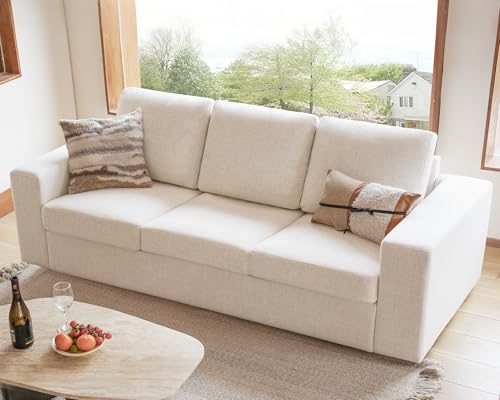
Modern & Comfy Couch: The integrated modern sofa designed with straight clean edges and 8" sleek square armrest to add a more modern style. Inside the seat cushion with high-density memory sponge, provides a great sense of support and elasticity.
Frame Fundamentals
Frame construction is the hidden backbone that shapes how you’ll actually sit, lounge, and live with your furniture.
- Sofa frames feel rigid and structured, with matching armrests and a uniform backrest that give you a tailored, upright posture.
- Couch construction bends toward flexibility, often with softer edges or even armless designs that prioritize sprawling comfort over strict alignment.
- Loveseat frames shrink the same sofa logic down, keeping that bench-and-backrest core at roughly 60 inches wide for tighter rooms.
- Frame rigidity decides your sitting angle; cushions mount to this core, so a stiff frame keeps you alert while a yielding one invites slouching.
Though leather, linen, or microfiber might dress all three similarly, it’s the frame structure that truly separates how each piece supports your daily life.
Cushion Construction
Comfort is what you’ll notice first, but cushion construction is what you’ll feel for years. You’ll find sofas built with firmer, structured systems that hold a tailored shape, giving people reliable support through daily use. Couches lean softer, with deeper, sink-in foam that invites you to sprawl and relax. Loveseats mirror sofa construction, just scaled down: same bench-like base and padded back, but narrower at roughly 60 inches wide.
What Changes the Feel
- Removable cushions let you rotate or replace worn layers
- Integrated designs depend on original foam for long-term support
Seat depth matters too. Loveseats and sofas often share 20–24 inch depths, but sofas spread that support across more total width, requiring different foam layering. Choose based on how you’ll actually live on the piece.
Arm Variations
Arm style shapes how you actually use your furniture every day.
- Sofa arms sit fully upholstered on both sides, matching in height and taper for that tailored, built look you expect in formal spaces.
- Couch arms stay minimal, offset, or disappear entirely, giving you a softer silhouette that invites casual lounging.
- Loveseat arms scale down sofa proportions, staying supportive but narrower so they don’t overwhelm your smaller room.
- Arm construction changes everything: firmer arms keep you sitting upright, while overstuffed versions let you sink right in.
Armless or one-arm designs stretch your usable seating width without adding bulk. You’ll feel the difference immediately when you settle in, so choose arms that match how you actually live.
Size and Capacity: How Dimensions Determine Who Fits
Most shoppers don’t realize how quickly dimensions determine whether you’ll lounge comfortably or squeeze in like a crowded elevator.
Loveseat vs Sofa: What Fits Your Living Room
You’ll find loveseats measure roughly 58–70 inches wide, built for two people. Sofas stretch 75–90 inches, seating three or more. That arm-to-arm span tells you exactly how many guests fit without awkward touching.
Seat depth matters too. Loveseats offer 20–24 inches of sitting space; sofas match that depth but add length for extra bodies.
Quick Tips for Smart Shopping
- Measure your room before you buy
- Compare listed width, depth, and seat depth
- Ensure walkways stay clear even with a full sofa
Don’t let a too-big couch trap you. Choose dimensions that match your space and your crew.
Recommended Products

HIGH QUALITY MATERIAL: This innovated PATENTED 8 Pieces 3 seater reclining sofa cover is crafted from luxurious Jacquard fabric, and is very soft, comfortable and sturdy ULTICOR sofa covers are as close to custom.
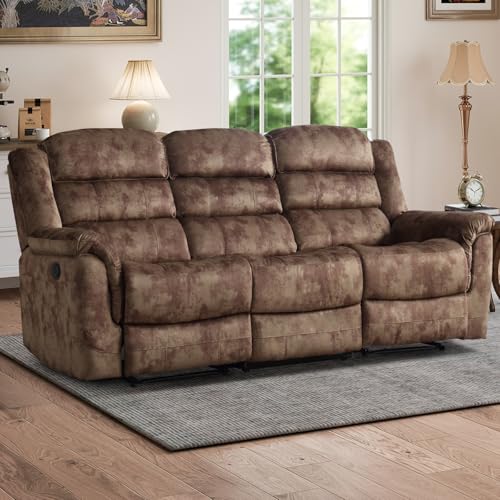
Spacious 3-Seat Reclining Design: This extra wide sofa comfortably accommodates three people with manual reclining seats on each end. Perfect for family movie nights or relaxing with guests

Overstuffed Arm and Back - This recliner chair has overstuffed arms and back, which are designed to offer enhanced comfort and support. This feature is especially beneficial for extended periods of sitting, as it helps to reduce pressure points.
Where Each Piece Works Best: Room-by-Room Guide
Once you’ve nailed down the right size, the next question is where each piece actually belongs.
- Living rooms: Pick a sofa for main guest hosting, a couch for casual lounging, or a loveseat when space is tight.
- Apartments & small rooms: You’ll find a loveseat fits best, since it’s smaller and won’t overpower your layout.
- Movie rooms & basements: A couch works better for relaxed, deep lounging. Sofas can feel too formal for these spaces.
- Flex spaces: Consider a Sofa Bed for overnight guests. It gives you larger, central seating that converts easily.
On outdoor patios, match your seating to your needs. A loveseat creates a cozy conversation nook, while sofas or couches handle bigger groups.
Recommended Products

Made with 93% polyester, 7% spandex for high elasticity, soft, anti-wrinkle, durable
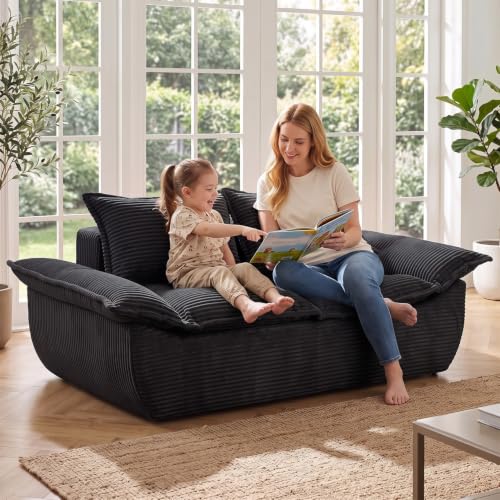
Two-Piece Double Sofa with Double-Layer Cushion: This innovative two-piece double small boneless couch brings a new experience to small spaces. Easy to maintain and quick removal—simply take off the cushions and undo the seater cover for effortless machine washing, keeping your sofa clean and fresh with ease. The double-layer comfort offers unparalleled layout flexibility for entertainment, relaxation, or work

Sectional Sofa Covers Set: the sofa cover set include 1 three seater sofa cover, 1 loveseat cover, and 1 arm chair cover; the size of three seater sofa cover is about 68 inches/ 173 cm to 90 inches/ 229 cm in length, the size of loveseat cover is about 48.03 inches/ 122 cm to 67.72 inches/ 172 cmand the size of 1 seater sofa cover is about 31.89 inches/ 81 cm to 47.64 inches/ 121 cm; Please refer to the measurements before purchasing
Sofa vs Loveseat Price Comparison: What Size Costs More
Because you’re working within a budget, size becomes one of the biggest factors in what you’ll pay. A sofa gives you more seating, but that extra space comes with a higher price tag. The word loveseat signals something smaller and more affordable, usually running 58–70 inches wide compared to a standard sofa’s 75–90 inches.
You’ll notice the cost difference even within matching collections. Less fabric and labor go into a loveseat, so manufacturers price it lower. The gap isn’t about comfort quality, it’s about materials and footprint. Both pieces can feel equally plush when built the same way.
Specialty designs narrow the margin, but the baseline holds: you pay more for the sofa’s extra width and capacity. Choose based on how many people you need to seat regularly.
Recommended Products

𝐁𝐎𝐇𝐎 𝐒𝐓𝐘𝐋𝐄 𝐂𝐇𝐄𝐍𝐈𝐋𝐋𝐄 𝐂𝐎𝐕𝐄𝐑 𝐅𝐎𝐑 𝐒𝐎𝐅𝐀: The boho couch cover is made of high quality chenille, the couch throw cover with comfortable touch feeling is skin-friendly, anti slip, wear-resistant, fade resistant, shrink resistant, wrinkle resistant and fur resistant.

[Chenille Material] hyha couch covers for sofa made of high-quality chenille fabric, thick, anti-slip, soft, and durable, which can provide your sofas a new look.

〈Dimensions Guide & LoveSeat Style〉:Our love seat couch cover measures: 22-28 inch width, 39-55 inch depth, 2-10 inch thickness. Suitable for 2-seater sofa backrest, love seat sofa, regular square cushions,and L-cushions.More details please refer to the measurement guide in photo, please measure before purchasing.
Your Decision: Matching Furniture to Lifestyle and Space
Since you’re the one who’ll be sitting on it every day, your lifestyle matters just as much as the label on the tag. Here’s how to match your pick to your real life:
- Choose a couch when you want casual, everyday lounging. It’s deeper and plusher, perfect for movie nights in smaller family zones.
- Choose a sofa for a polished, designer look. At 84–90 inches wide, it seats three or more comfortably and anchors your living room.
- Pick a loveseat for tight spaces. Around 60 inches wide, it fits two people without crowding bedrooms or offices.
- Consider a sectional for maximum seating. L-shaped options run 95–115 inches wide, ideal for large families and group gatherings.
Always measure first. Seat depth and clearance matter more than the name on the tag.
Recommended Products

Premium Chenille: Crafted from substantial, high-grade chenille, these decorative pillow covers offer a luxuriously soft, velvety touch and a beautiful drape. Features impeccable stitching with zero loose threads, delivering a premium, heavyweight feel that elevates any space.

Relaxed modern profile: The Napa Sofa is designed with a clean, understated silhouette that balances structure and comfort. Its tailored lines and generous proportions create a calm, grounded presence that feels intentional rather than formal, making it well suited to modern and transitional interiors.

[Extra-Wide Dimensions for Multi-Person Gatherings] Featuring a 127 inch expanded sectional design, the sectional sofa provides ample seating and lounging space. It easily accommodates multiple people, whether for daily family interactions or hosting friends, and is particularly well-suited for large living rooms and open-concept layouts—striking a balance between space efficiency and comfort.

I am Đinh Ai Nguyễn, a content writer at SoftAuraHome.com. For me, home is more than just a place to live. It is where we recover from long days, hold our quiet moments, and create the atmosphere that shapes how we feel. That belief is one of the biggest reasons I wanted to be part of this blog. I started writing about home decor because I have always been drawn to spaces that feel soft, peaceful, and emotionally grounding. I believe a calm room can do more than look beautiful. It can bring comfort, restore energy, and help people feel more connected to themselves and the life they are building. Through Soft Aura Home, I want to share ideas that are not only visually inspiring, but also meaningful in everyday life. With experience in SEO writing and niche content publishing, I understand how to create articles that are clear, useful, and easy to discover. But beyond strategy, I care deeply about how a piece of content makes someone feel. Every article I write is created with the hope of helping readers shape homes that feel gentle, personal, and full of quiet warmth.
Follow on Facebook