
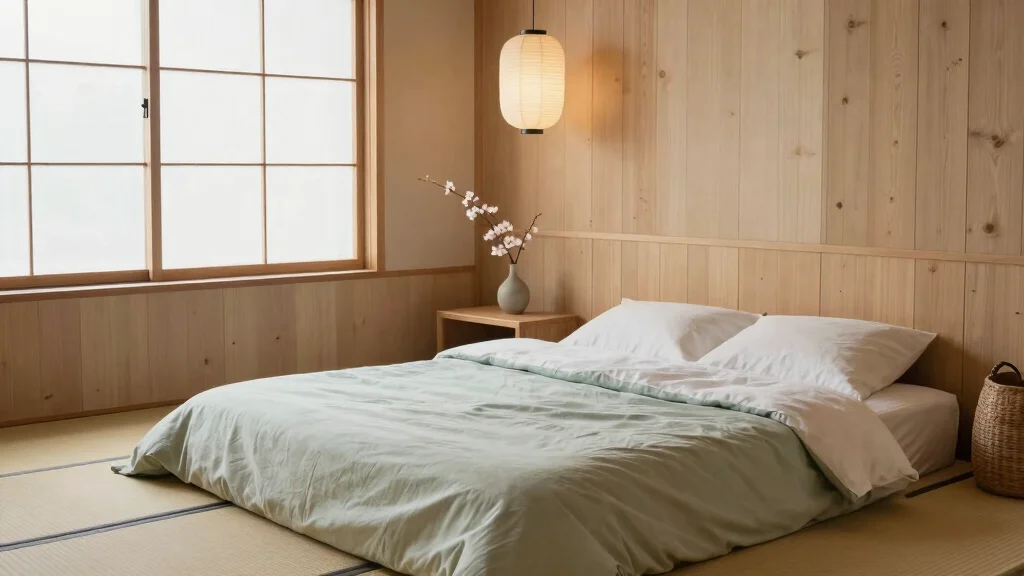


Japanese bedroom design has a unique ability to transform your sleep space into a serene retreat. In a world filled with hustle and bustle, creating a calming environment at home can feel like an oasis. This post was inspired by my desire to help you design a peaceful sleep setting that captures the essence of Japanese aesthetics while maintaining the principles of minimalism.
If you’re someone who appreciates simple, clean lines and the tranquil elements of nature, this guide is for you. You’ll discover practical ideas that embody the spirit of zen home design, allowing you to cultivate a cozy and inviting atmosphere. Whether you have a small apartment or a larger home, you can implement these strategies to create a serene sleep space that fosters relaxation and restful nights.
From incorporating traditional Japanese elements to selecting the perfect minimalist furniture, you’ll gain insights into how to harmonize your surroundings. With 12 calming ideas at your fingertips, you can easily curate a bedroom that feels both modern and deeply rooted in history.
Key Takeaways
– Neutral Color Palettes: Embrace calming shades like whites, beiges, and soft earth tones to create a tranquil environment that promotes relaxation.
– Minimalist Furniture Selection: Choose simple and functional furniture that maximizes space and maintains a clutter-free atmosphere, perfect for small areas.
– Natural Elements: Incorporate plants and natural materials to enhance air quality and bring a touch of the outdoors inside, fostering a serene atmosphere.
– Functional Storage Solutions: Use clever storage options to keep your bedroom organized, ensuring a peaceful and inviting space without excess clutter.
– Personal Touches: Add traditional Japanese artwork or personal items that resonate with you to make your bedroom uniquely yours, while still adhering to minimalist principles.
Recommended Products

New Sixth Generation of Modern Japanese Futon - Upgraded and refined based on four generations of innovation, our sixth-generation futon adapts to modern sleeping habits. Featuring a 9-layer structure with 5 layers of premium padding, it maintains its shape over long-term use without sagging, delivering exceptional comfort!

New Sixth Generation of Modern Japanese Futon - Upgraded and refined based on four generations of innovation, our sixth-generation futon adapts to modern sleeping habits. Featuring a 9-layer structure with 5 layers of premium padding, it maintains its shape over long-term use without sagging, delivering exceptional comfort!
New Sixth Generation of Modern Japanese Futon - Upgraded and refined based on four generations of innovation, our sixth-generation futon adapts to modern sleeping habits. Featuring a 9-layer structure with 5 layers of premium padding, it maintains its shape over long-term use without sagging, delivering exceptional comfort.
1. Embrace Neutral Color Palettes
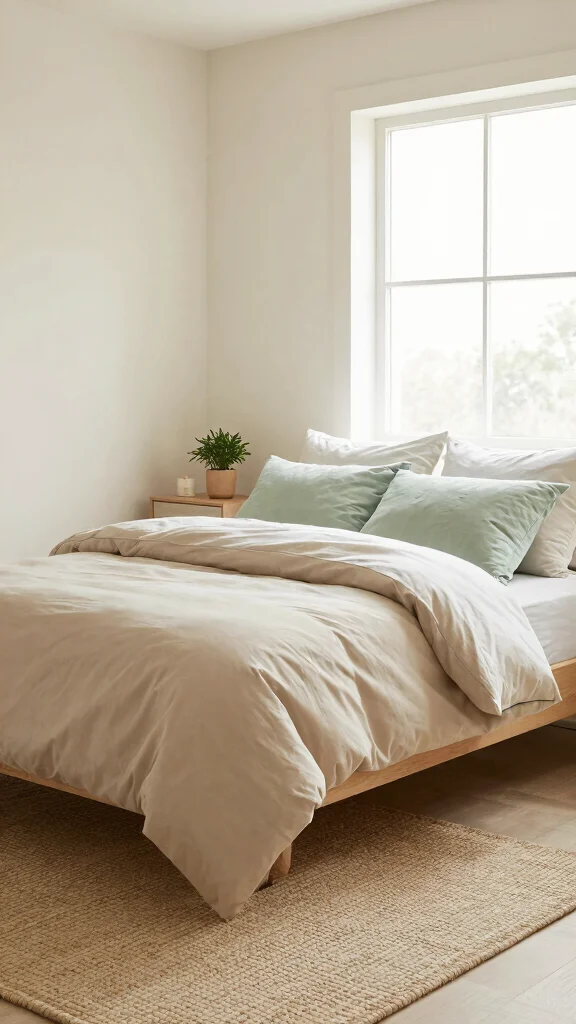
Neutral color palettes form the foundation of Japanese bedroom aesthetics. Shades like soft whites, warm beiges, and gentle grays establish a serene atmosphere that encourages relaxation and calmness. For instance, a cream wall paired with light oak furniture creates a cohesive and inviting space that feels expansive and airy.
To implement this calming palette, consider incorporating textured elements such as a light-colored area rug or soft linen curtains that flutter gently with the breeze. If you’re on a budget, opt for affordable paint options or second-hand wooden furniture to achieve the look without overspending.
Consider these elements for a harmonious design:
– Pair soft beige walls with light wooden furniture
– Install sheer curtains to allow natural light to filter in
– Use muted green accessories like cushions for subtle accents
This tranquil palette enhances the overall beauty of your space, promoting a restful sleep environment while inviting a sense of peace and well-being.
Recommended Products

Queen Wood Platform Bed Frame with Wooden Slat Mattress Foundation
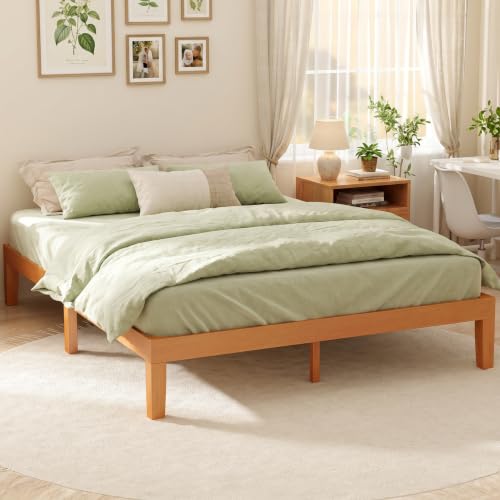
Durable & Sturdy Construction: Built with premium solid wood materials, this bed frame delivers exceptional sturdiness and long-term durability to reliably hold your mattress. Premium raw materials form a solid and steady bed base, delivering stable all-night support and allowing you to enjoy comfortable, undisturbed sleep

Box Spring Free Design: Eliminate the bulky box spring. High-strength wooden slats in this bedframe provide even support and optimal airflow, extending mattress life and ensuring consistent comfort. Perfect for memory foam, hybrid, or spring mattresses
2. Minimalist Furniture Selection
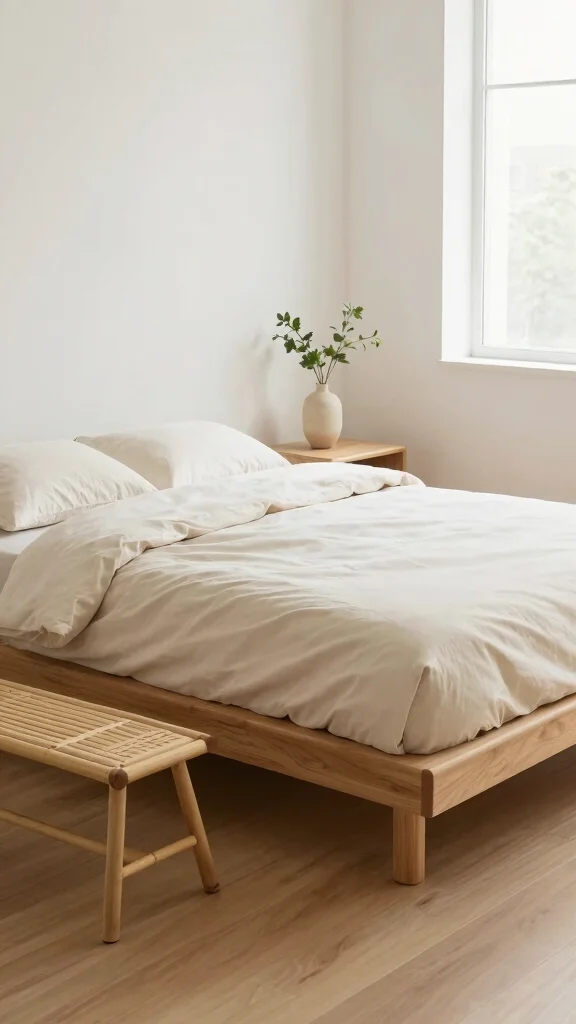
Choosing minimalist furniture is essential for creating a Japanese-inspired bedroom. Low-profile pieces complement the room’s ground level, fostering a seamless flow throughout the space. Think about incorporating traditional tatami beds or foldable futon mattresses that can be tucked away, preserving the room’s openness and clarity.
Focus on essentials like a simple bedside table or a low chest of drawers to maintain the minimalist ethos. For budget-friendly options, look for second-hand furniture or DIY projects that allow you to customize your pieces without breaking the bank.
Consider these practical furniture tips:
– Choose low wooden beds that blend into the space
– Avoid ornate designs; stick to functional simplicity
– Incorporate a bench that doubles as storage for blankets
Using minimalist furniture creates a cozy atmosphere while ensuring your bedroom remains uncluttered and inviting for relaxation.
Recommended Products

Basic Information: Includes 2 curtain panels, each measuring 50 inches wide for a total of 100 inches. Easy care for machine washable in cold water, do not bleach, tumble dry low, iron on low heat if needed.

Ready Made: The package includes 2 panels of thick linen semi sheer curtains, and each panel 42"W (84"W for pair), 3 hanging options to meet your needs: rod pocket, back tab, or hanging ring (clips or hooks not included).

Thick Linen Fabric: These linen curtains are carefully crafted from 400 GSM fabric of flax linen, cotton and polyester, offering a blend of softness, natural aesthetics and durability. Thicker linen curtains capture a real rich flax textured feel while savoring a heavier set,adding a touch of sophistication
Minimalist Furniture Selection
Editor’s Choice

Bed Plate, Guest Tatami Queen Bed Frame,Japanese Tatami Mat, Foldable Wo…

Floor Bed Frame Japanese Futon Tatami Mat Breathable and Moisture-Proof,…
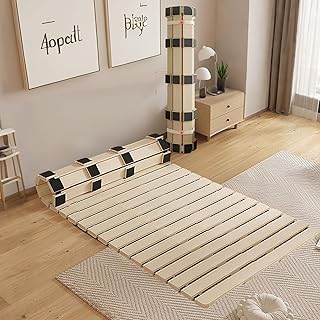
Floor Bed Frame Japanese Bed Frame Foldable Slatted Bed Base Wooden Floo…

Foldable Breathable Wooden Bed Plate, Guest Tatami Mat, Wood Roll-Type S…

Japanese Floor Mattress, Foldable Futon Mattress Tatami Mat with Handle,…
3. Natural Elements in Decor
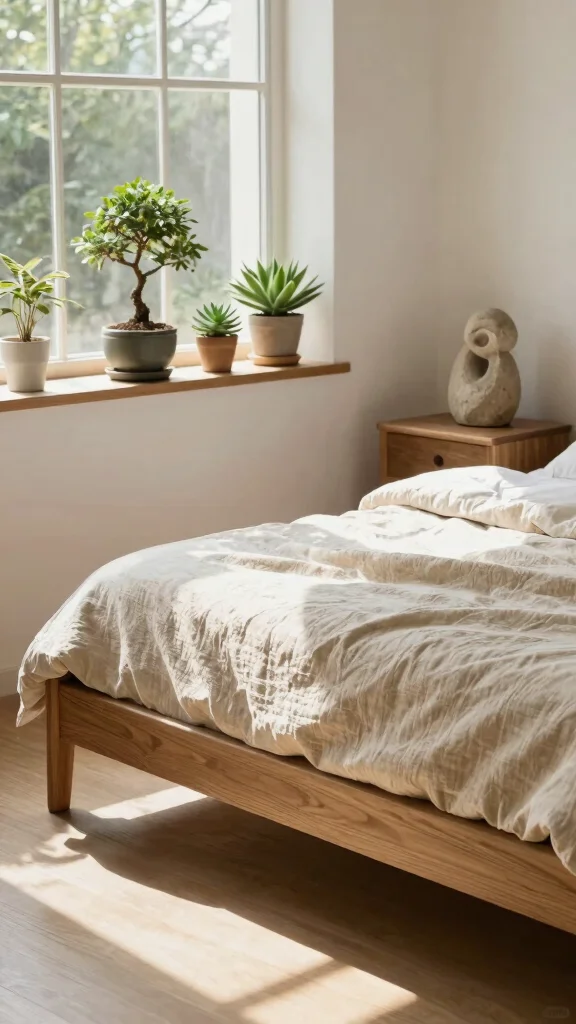
Incorporating natural elements into your decor is vital for achieving a zen-inspired space. This approach emphasizes the beauty of the outdoors, enhancing the tranquil atmosphere of your bedroom. Using organic materials like wood and stone, along with plants such as succulents or bonsai trees, can transform your room into a refreshing sanctuary.
To bring nature indoors, opt for natural fiber textiles for your bedding and curtains, allowing for better airflow. For budget-conscious decorators, consider thrift store finds or DIY projects to create your natural decor without spending a fortune.
Include these natural decor ideas:
– Use wooden accents like bowls or sculptures for warmth
– Incorporate cotton or linen fabrics for your curtains
– Keep floral arrangements simple with single stems in vases
By emphasizing nature-inspired decor, you create a calming environment that enhances both the beauty and rejuvenating quality of your bedroom.
Fun fact: rooms infused with natural elements breathe better—linen textiles, wood, and plants can boost calm by about 20% and improve sleep comfort. For Japanese bedroom design, swap synthetic fabrics for organic fibers, add a bonsai, and let nature soften your space for Zen sleep.
Recommended Products

【6FT Room Divider Wall, Brings You Larger Personal Space】104" width for maximum coverage, 6ft tall by 17.3" wide each panel. Our 6-panel room dividers provide more privacy, make your life freer and much more relaxed. Jostyle room divider combines practicality and aesthetics, the simple lattice design make it can be used as a stylish addition to your home or office.

【Authentic Japanese Design】 Elegant shoji-inspired room divider screen combines traditional aesthetics with modern functionality, perfect for creating zen spaces in your home or office.
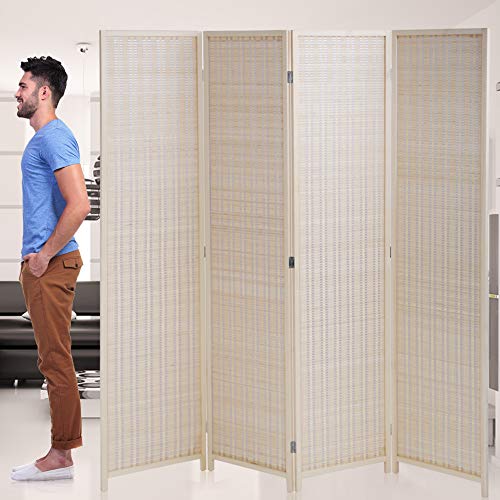
👏【PROTECTING PRIVACY】:Our 4-panel room divider is specifically designed to divide the room into different areas and create a private space, and add more decorating options to your space. while adding a touch of modern design style. Tightly woven wicker strips block nearly all light—ideal for creating sleep or study spaces. Room divider wooden privacy screen partition wall.
Natural Elements in Decor
Editor’s Choice

Brussel’s Bonsai Live Golden Gate Ficus Indoor Bonsai Tree – Small, 4 Ye…

Live Dwarf Juniper Bonsai Tree About 6 Years Old with Cute Ceramic Fishe…

Costa Farms Bonsai Miniature Tree Live Plant in Decorative Pot, Easy Ind…

Simple&Opulence 100% Linen Duvet Cover Set 3pcs Basic Style Natural Fren…

MAINEVENT Decorative Wooden Dough Bowl Decor Approx 30 Inch, Hand Carved…
4. Incorporate Shoji Screens
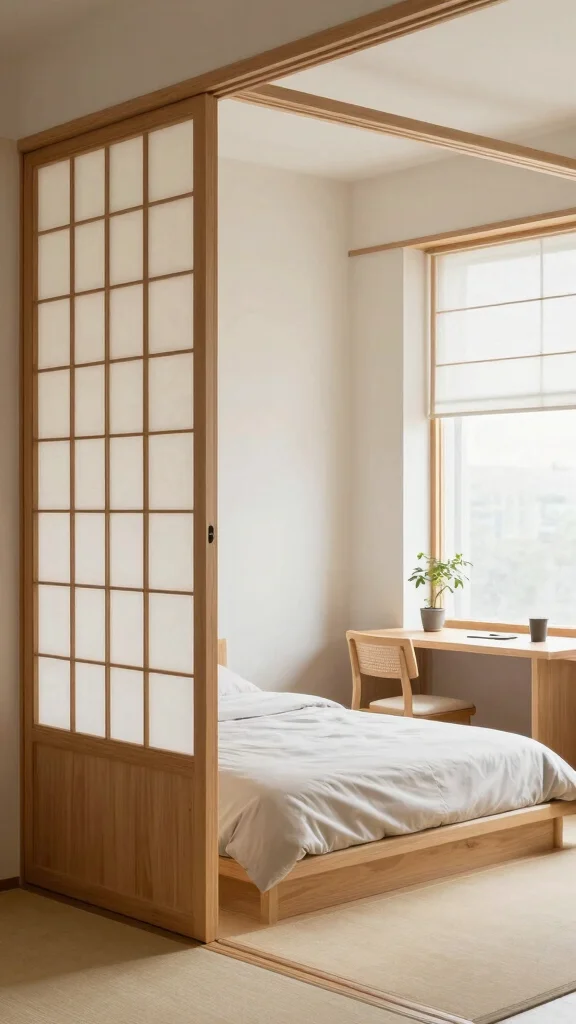
Shoji screens serve as a timeless element in Japanese design, adding both style and function to modern spaces. These wooden frames with delicate paper panels provide privacy while allowing soft light to filter through, creating a warm ambiance. Using a shoji screen to delineate areas in smaller rooms can enhance organization and visual appeal.
Consider placing a shoji screen between your sleeping area and workspace to foster a sense of tranquility. For a cohesive look, choose screens that match your existing furniture and decor.
Incorporate these tips for using shoji screens:
– Place a screen to separate sleeping and working areas
– Choose natural wood finishes for a cohesive look
– Use light-colored paper panels to diffuse light softly
By adding shoji screens, you not only enhance the cultural elegance of your space but also improve its functionality and serenity.
Fun fact: A single Shoji screen, a staple in Japanese bedroom design, can visually double as a room divider. It helps a small space feel up to 20% larger while letting warm light softly filter through.
Recommended Products

Enhanced Safety Features: Designed with an anti-skid backing, our bamboo floor mat firmly grips the ground, providing a secure and stable surface that prevents any slipping or sliding. The 1.6" wide protective border not only adds a decorative touch but also ensures your feet are protected from any discomfort. You can confidently walk or stand on this mat without any worries.
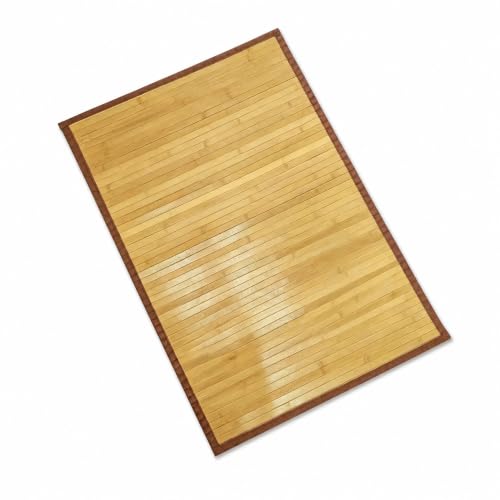
LARGE SIZE: This spacious area rug provides ample floor coverage, making it ideal for living rooms, bedrooms, and dining areas.

[Wide Applications] This bamboo floor mat adds a natural ambiance to your home, able to blend seamlessly into any existing home decoration.It will make an impressive addition to your living room, bedroom, entryway and more.
5. Zen Garden Elements
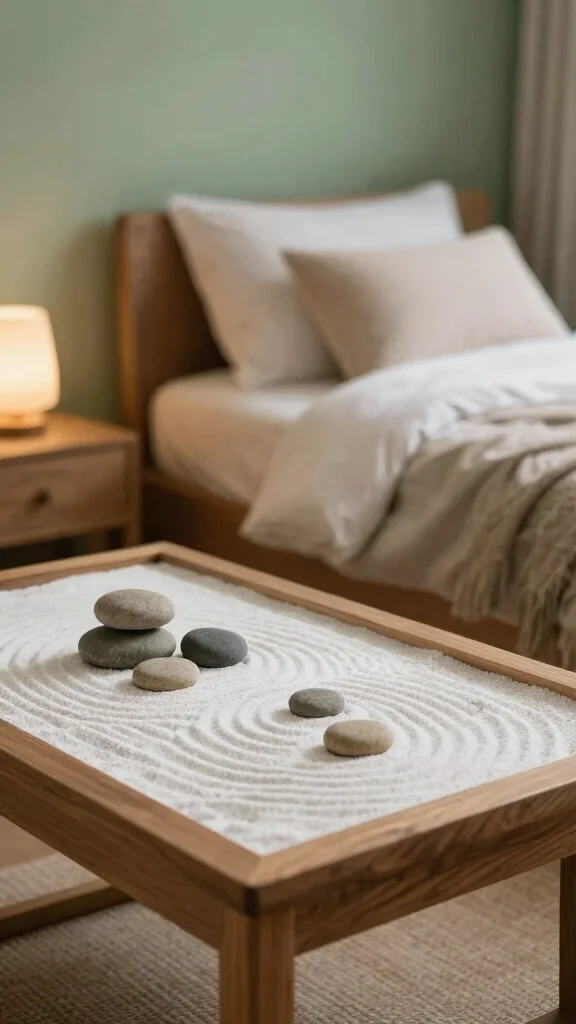
Creating a mini zen garden in your bedroom can significantly enhance your sense of tranquility and mindfulness. Even with limited space, a small tabletop garden or an arrangement of indoor plants can be a calming focal point. Zen gardens symbolize balance and harmony, making them ideal for promoting relaxation in your personal space.
Utilize sand, stones, and small plants to craft a design that resonates with you. For budget-friendly options, consider DIY kits or simple arrangements that require minimal maintenance.
Implement these zen garden ideas:
– Use a tray filled with sand for a mini garden
– Incorporate decorative stones of various sizes
– Choose low-maintenance plants like succulents
These thoughtful additions can transform your bedroom into a peaceful haven, encouraging relaxation and mindfulness.
Recommended Products

Crafted from high-quality solid wood, sturdy and reliable for daily use. Board thickness: 0.55 inch. Item net weight: 40 lbs.

【Upgraded Workmanship】The outer layer of the mattress is made of skin-friendly polyester fiber, which is soft and breathable. The second and fourth layers are made of PP cotton for extra comfort and support.The third layer is made of high-density base support foam that distributes body pressure and relieves back pain. Quilted craftsmanship will ensure even weight distribution without lumps and dips.

Futon Mattress: Japanese traditional style bedding, which is a type of foldable and scrollable japanese futon mattress used on the floor and bed. It can be easily placed on the floor, and ergonomically designed tatami mattress that adapt to the human body structure curve and correct the shape of the cervical.
6. Soft Lighting Solutions
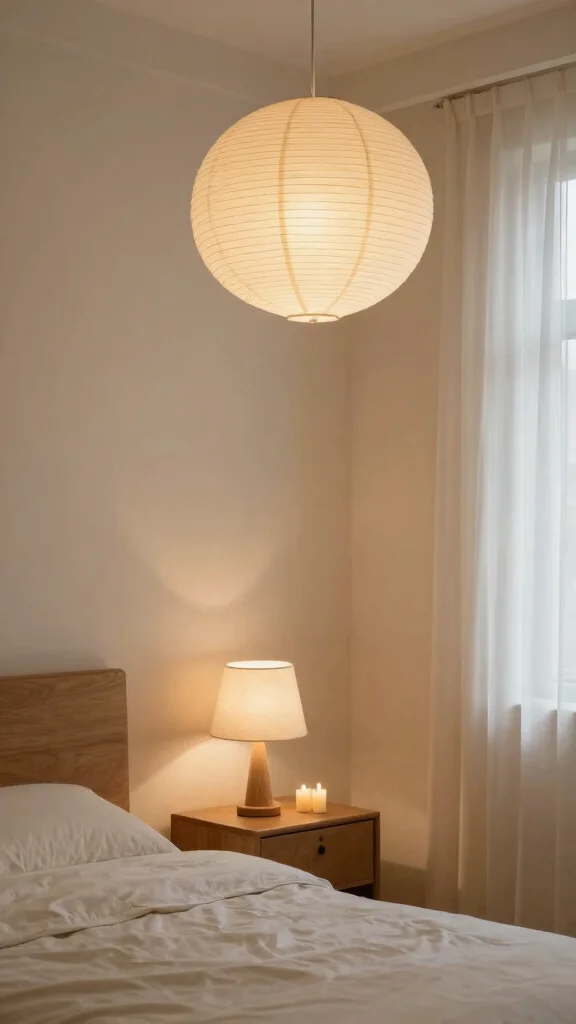
Soft, ambient lighting is crucial for cultivating a calming atmosphere in your bedroom. Japanese design often features paper lanterns and warm light sources that create a soothing environment. Replace harsh overhead lights with dimmable fixtures or table lamps that provide adjustable brightness for a cozy evening glow.
For a budget-friendly approach, consider using string lights or battery-operated candles to add a warm touch. Layering different light sources also enhances the overall ambiance, allowing you to customize the mood effortlessly.
Explore these lighting options:
– Try paper lanterns for a gentle, diffused glow
– Use candles or fairy lights for extra warmth
– Incorporate multiple light sources for depth
By focusing on soft lighting, you can significantly enhance your mood and create a truly inviting sleep environment.
Recommended Products

Ancient Wisdom: 100% Tool-Free Interlocking: Harnessing the friction and pressure principles of traditional Mortise-and-Tenon joints, the Yechen bed frame requires NO tools, screws, bolts, or glue. Our precision-cut Dovetail Joinery allows components to lock together seamlessly in under 10 minutes. Say goodbye to complicated manuals and lost hardware—assemble your sanctuary immediately upon delivery
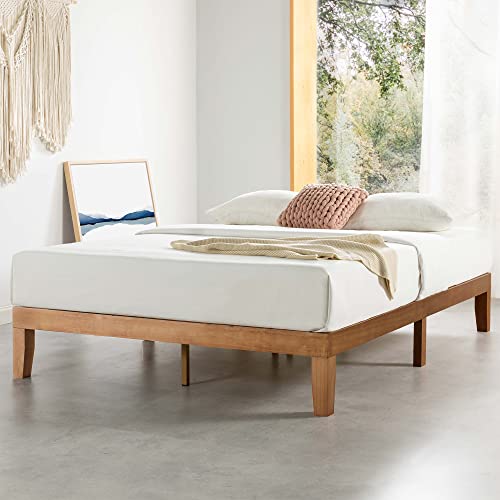
Full Wood Platform Bed Frame with Wooden Slat Mattress Foundation
King Wood Platform Bed Frame with Wooden Slat Mattress Foundation
📹 Related Video: Transform Your Bedroom into a Serene Japanese Oasis 🛏️ | Minimalist Zen Design Tips
You might also like

7. Tatami Mats for Comfort
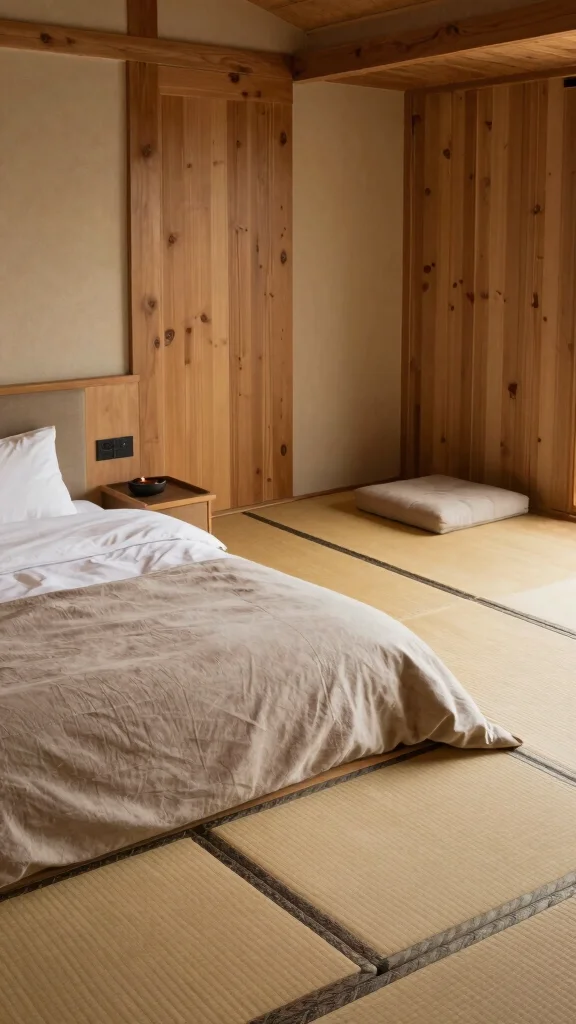
Tatami mats are a classic choice for achieving both comfort and authenticity in your bedroom. Made from rice straw and covered with woven rush grass, these mats provide a natural feel underfoot, making them ideal for a cozy sleeping area. Installing tatami mats can also improve your room’s insulation, keeping it warm during colder months.
Consider using tatami mats as a base for your bed for a unique sleeping experience, or as a comfortable area for meditation or yoga. To keep costs down, look for affordable mats online or at local retailers.
Try these tatami mat ideas:
– Use mats as a base for your bed for added comfort
– Designate a seating area for relaxation or yoga
– Maintain mats by keeping them dry and clean
Incorporating tatami mats enhances both comfort and aesthetic appeal, creating a true zen-inspired space.
Recommended Products
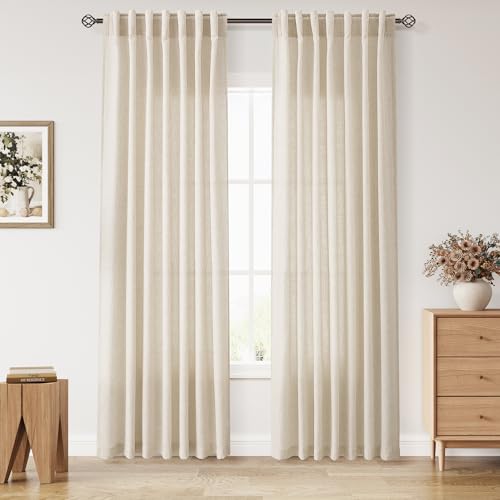
READY MADE: 2 Linen Curtain Panels per package.Each panel measures 52 inches wide by 63 inches long. Top design of Back tab & loop pocket provide 3 hanging options. <1> hanging from the back patch to create an elegant pleated look, <2> from the 3 inch rod pocket for a classic look <5> Hanging with clip rings for easy, slide open and closed (clip rings are not included)

Thick Linen Fabric: These linen curtains are carefully crafted from 400 GSM fabric of flax linen, cotton and polyester, offering a blend of softness, natural aesthetics and durability. Thicker linen curtains capture a real rich flax textured feel while savoring a heavier set,adding a touch of sophistication
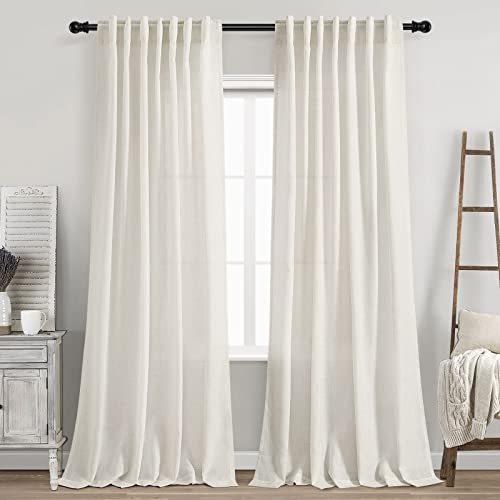
READY MADE: 2 Linen Curtain Panels per package.Each panel measures 52 inches wide by 84 inches long. Top design of Back tab & loop pocket provide 3 hanging options. <1> hanging from the back patch to create an elegant pleated look, <2> from the 3 inch rod pocket for a classic look <3> Hanging with clip rings for easy, slide open and closed (clip rings are not included)
Tatami Mats for Comfort
Editor’s Choice

Tatami Mat (Twin 79″ x 39″ x 0.5″), Japanese Traditional Tatami Mattress…

VEVOR Japanese Tatami Mat, Twin XL – 39” x 80” Foldable Tatami Mattres…

FULI Japanese Tatami Mattress, Tatami Rug, Igusa Mat (Japanese Rush Gras…

MIINA Japanese Traditional Tatami Mattress, Igusa (Rush Grass) Tatami Ma…

Houseables Tatami Mat, Tatami Mattress, Japanese Sleeping Mat, Japanese …
8. Functional Storage Solutions
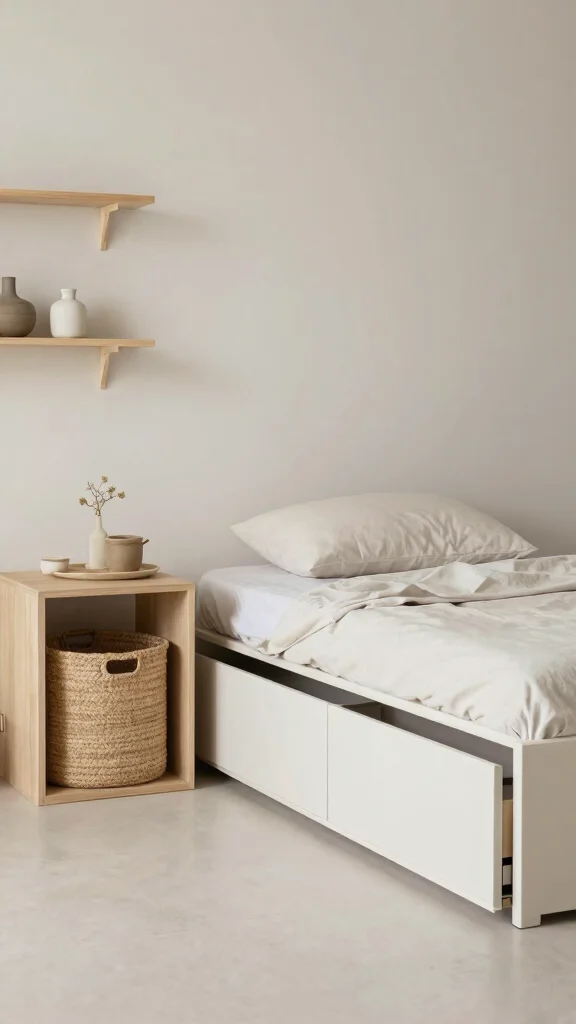
Organizing your space is key to a minimalist Japanese bedroom design. Opt for built-in storage solutions or low-profile furniture that seamlessly integrates into your decor. Under-bed storage is an excellent way to maximize space, keeping essentials out of sight yet easily accessible.
Consider multi-functional furniture, such as a bed frame with drawers or a storage bench, to enhance your room’s functionality. For budget-friendly options, utilize decorative boxes or stylish baskets to keep your belongings organized.
Implement these storage solutions:
– Use baskets made from natural materials for style
– Designate a specific space for all items to reduce clutter
– Emphasize simplicity in your storage choices
Prioritizing functional storage ensures your bedroom remains a peaceful retreat where everything has its place.
Recommended Products
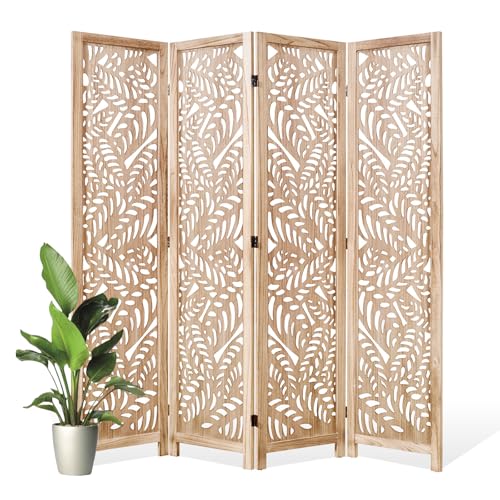
Leaf-Carved Design: Enhance your space with our exquisite room dividers featuring a leaf-carved design. These partition room dividers serve as both a functional room divider screen and a captivating wall divider, adding elegance to any room.

Leaf-Carved Design: Enhance your space with our exquisite room dividers featuring a leaf-carved design. These partition room dividers serve as both a functional room divider screen and a captivating wall divider, adding elegance to any room.

【Authentic Japanese Design】 Elegant shoji-inspired room divider screen combines traditional aesthetics with modern functionality, perfect for creating zen spaces in your home or office.
Functional Storage Solutions
Editor’s Choice

Budding Joy 90L Under Bed Storage Containers, Closet Organizers and Stor…

Sterilite 4-Pack 56 Quart Wheeled Latching Box, Underbed Clear Plastic S…

StorageWorks Large Under Bed Storage Containers with Handles and Label H…

Under Bed Storage with Wheels 2Pack Storage Containers with Clear Window…

DUMOS 43in Storage Ottoman Bench, Storage Chest, End of Bed Foot Rest St…
9. Traditional Japanese Artwork
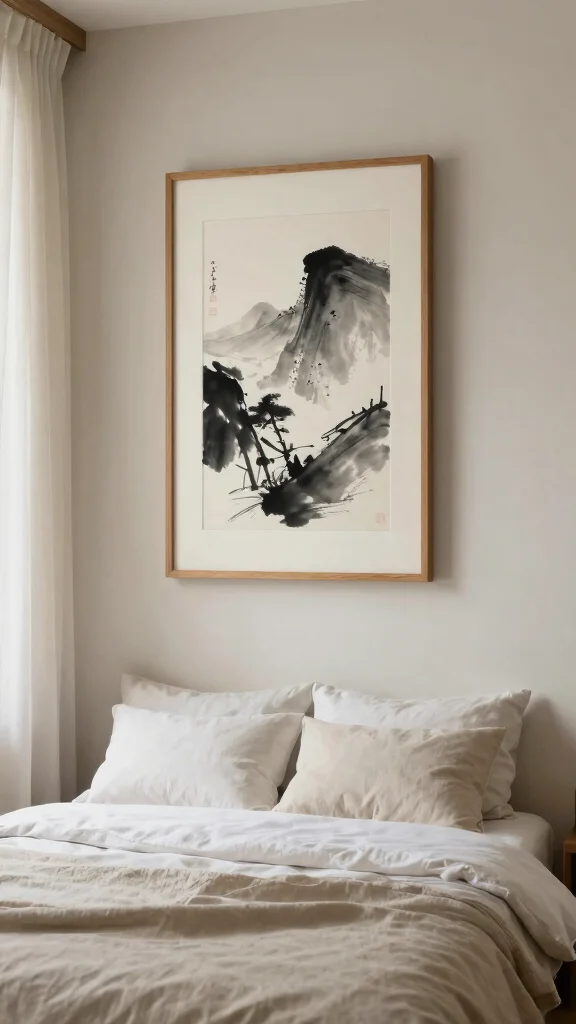
Incorporating traditional Japanese artwork adds a unique character and cultural flair to your bedroom. Pieces like ink paintings, calligraphy, or woodblock prints can serve as focal points that reflect your personal style while enhancing the calming atmosphere. Choose artwork that resonates with you, whether depicting nature or serene landscapes, to maintain the minimalist vibe.
For a cohesive look, frame your art in natural wood frames that complement your decor. Creating a small gallery wall with a few carefully selected pieces can add interest without overwhelming your space.
Consider these artwork tips:
– Use natural wood frames to enhance aesthetic appeal
– Create a gallery wall with small pieces arranged thoughtfully
– Opt for muted tones to align with your calming palette
These artistic elements not only beautify your space but also forge a deeper connection to Japanese culture, enhancing the overall peaceful environment.
Fun fact: In japanese bedroom design, displaying 1–3 traditional artworks can anchor a calming gallery. Framing ink paintings or woodblock prints in natural wood frames can boost perceived serenity by up to 40%. Keep the display minimal and let nature-inspired art breathe.
Recommended Products

Natural Bamboo Surface: Closely arranged 0.7" bamboo slats and dense stitching form a smooth, cool-touch surface, giving this bamboo rug a neat natural appearance for warm-season indoor use.

TOUCH OF ELEGANCE . We know you will love your new modern abstract Rug Marble Carpet 5x7, 8x10, 4x6, 2x7 and 2x3 the moment you take delivery, Guarantee, giving you total peace of mind when making your purchase today.

【100% Bamboo Ensures Its Durability】Gentleshower floor mat rug is made of natural and environmental friendly bamboo, which is durable enough to maintain years of use. Four edges are covered with high-quality fabric cloth to protect from being scratched.
10. Scent and Air Quality
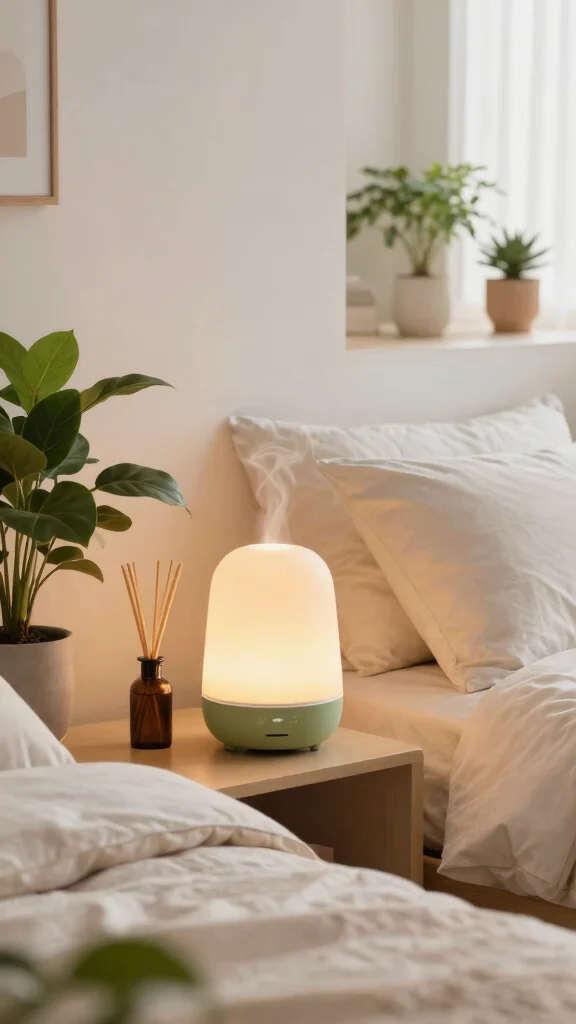
A peaceful sleep environment is influenced by more than just visual elements; scent and air quality are equally important. Incorporating natural fragrances can improve relaxation and enhance sleep quality. Consider using essential oil diffusers with calming scents like lavender or sandalwood to create a soothing atmosphere.
Ensure your bedroom is well-ventilated to maintain fresh air, promoting comfort and tranquility. Indoor plants can also contribute to a healthier living space by purifying the air.
Explore these scent and air quality tips:
– Use essential oil diffusers for calming aromas
– Incorporate indoor plants to purify the air
– Choose non-toxic materials for bedding and furniture
Focusing on scent and air quality creates a complete sensory experience, fostering relaxation and peace.
11. Personal Touches and Minimalist Decor

While embracing a minimalist design, it’s essential to include personal touches that reflect your unique personality. Select decorative items thoughtfully, ensuring they don’t overwhelm the space. Create a small display of meaningful souvenirs or family heirlooms that tell your story without cluttering your surfaces.
Opt for minimalist decor that complements your overall design, steering clear of overly ornate items. Utilize decorative trays or bowls to group smaller pieces together, keeping surfaces tidy and organized.
Consider these decoration tips:
– Choose minimalist decor that aligns with your design
– Use trays to organize smaller items effectively
– Leave open space around decor for a cleaner look
By balancing minimalism with personal expression, you can create a bedroom that feels both unique and serene.
Personal Touches and Minimalist Decor
Editor’s Choice

Kate and Laurel Sanzo Transitional Modern Hammered Rectangle Metal Tray,…

Emma & Ella Round Decorative Tray for Coffee Table Decor – Concrete Roun…

Preston Lane Signature Ceramic Tray – Handmade in Portugal with Fluted E…

Marble Vanity Tray, Bathroom Tray for Countertop, 14” Green Decoration …

Real Natural Marble Tray for Bathroom, Genuine Marble Stone Vanity Tray,…
12. Create a Meditation Nook
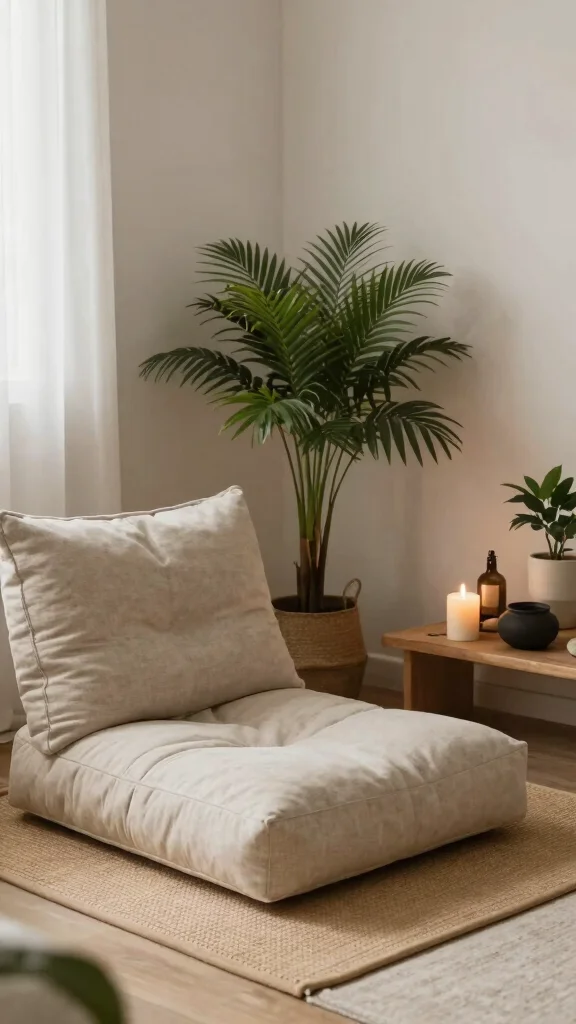
Integrating a meditation nook into your bedroom enhances tranquility and mindfulness. This dedicated space invites relaxation and reflection, aligning perfectly with Japanese design principles. A cozy corner with floor cushions, a soft mat, and perhaps a small altar can create an inviting atmosphere for contemplation.
You don’t need a large area; simply find a quiet spot where you can unwind. For budget-friendly options, look for affordable cushions and mats that fit your style.
Incorporate these meditation nook ideas:
– Arrange soft cushions for a comfortable seating area
– Use calming colors and plants to enhance the vibe
– Keep the space clutter-free to maintain focus
Dedicating a space for meditation fosters well-being and creates a peaceful sanctuary within your bedroom.
Conclusion
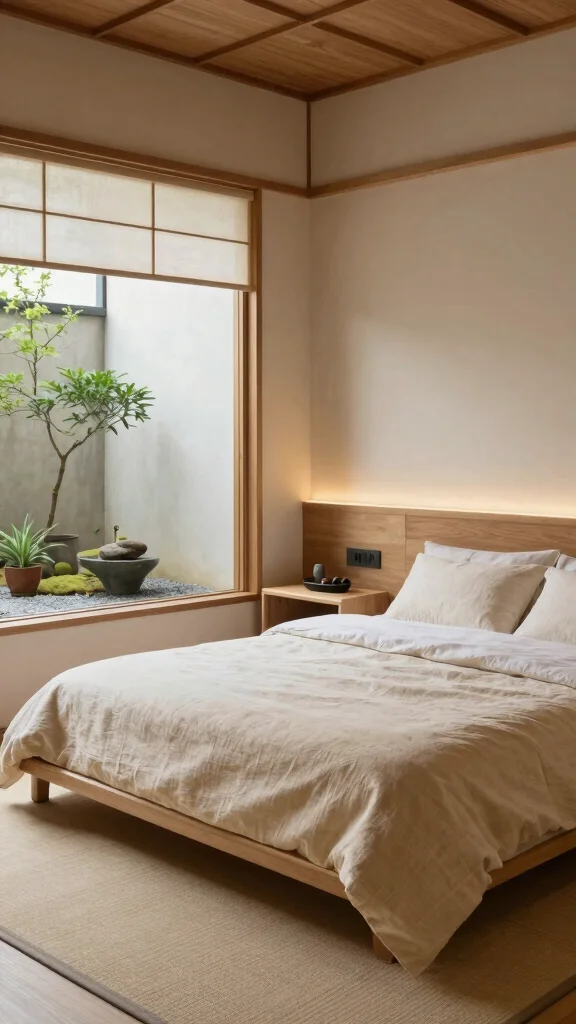
Transforming your bedroom into a Japanese-inspired haven is achievable with these calm, minimal ideas. By prioritizing simplicity, natural elements, and mindful decor, your space can become a peaceful retreat that fosters relaxation and rejuvenation. Embrace the principles of Japanese design to create a serene environment that promotes restful sleep and well-being.
Let these inspirations guide you in crafting a space that feels uniquely yours while embodying the essence of tranquility.
Note: We aim to provide accurate product links, but some may occasionally expire or become unavailable. If this happens, please search directly on Amazon for the product or a suitable alternative.
This post contains Amazon affiliate links, meaning we may earn a small commission if you purchase through our links, at no extra cost to you.
Related Topics
japanese bedroom design
minimalist bedroom decor
zen home design
small spaces
serene sleep environment
traditional Japanese elements
calm aesthetics
easy decor tips
relaxing interiors
modern Japanese style
space-saving solutions
beginner friendly

I am Đinh Ai Nguyễn, a content writer at SoftAuraHome.com. For me, home is more than just a place to live. It is where we recover from long days, hold our quiet moments, and create the atmosphere that shapes how we feel. That belief is one of the biggest reasons I wanted to be part of this blog. I started writing about home decor because I have always been drawn to spaces that feel soft, peaceful, and emotionally grounding. I believe a calm room can do more than look beautiful. It can bring comfort, restore energy, and help people feel more connected to themselves and the life they are building. Through Soft Aura Home, I want to share ideas that are not only visually inspiring, but also meaningful in everyday life. With experience in SEO writing and niche content publishing, I understand how to create articles that are clear, useful, and easy to discover. But beyond strategy, I care deeply about how a piece of content makes someone feel. Every article I write is created with the hope of helping readers shape homes that feel gentle, personal, and full of quiet warmth.
Follow on Facebook