
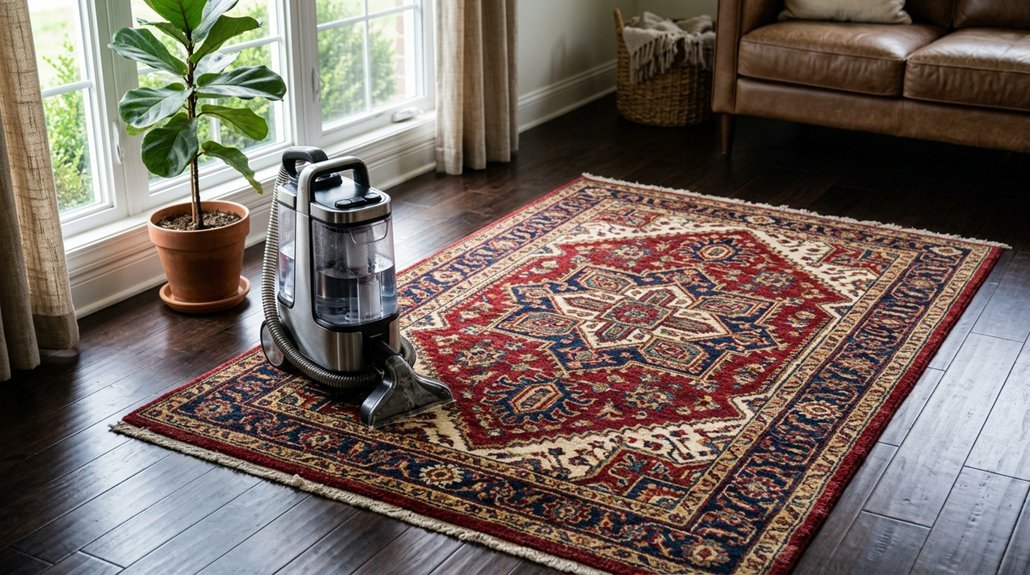


You’ve got an area rug that needs cleaning, but where do you even start? Different fibers need totally different care. Wool shrinks with heat. Silk hates water. Jute turns brown if it gets too wet. One wrong move can ruin your rug for good. The good news: you don’t need to be an expert to get this right. You just need to know what you’re working with first.
Read the Label First: How to Identify Your Rug’s Fiber
Before you grab any cleaner or even plug in the vacuum, take a moment to find your rug’s care label. You need to know what you’re working with before you can Clean A Shag or tackle any Area rug care challenge.
Check the label for fiber content. Wool and silk? They’re delicate. You’ll avoid steam cleaning and stick to suction-only methods. Viscose or “art silk”? Skip the water and brush attachments entirely. Synthetic fibers like polypropylene handle more moisture, but they still trap dirt you’ll need to vacuum thoroughly.
For oriental rugs or natural plant fibers such as jute and sisal, keep them dry. Water causes browning and permanent damage.
Understanding your materials prevents costly mistakes. You’ll protect your investment and choose the right cleaning approach every time.
Recommended Products

Machine Washable Rug: Keep your 5x7 rug fresh with ease. A vacuum cleaner or a quick wipe for daily clean. Machine wash in cold water on gentle cycle without bleach, air dry or dry on air-only cycle without heat. Low pile and thin design of blue rug makes it easy to remove pet hair and others.
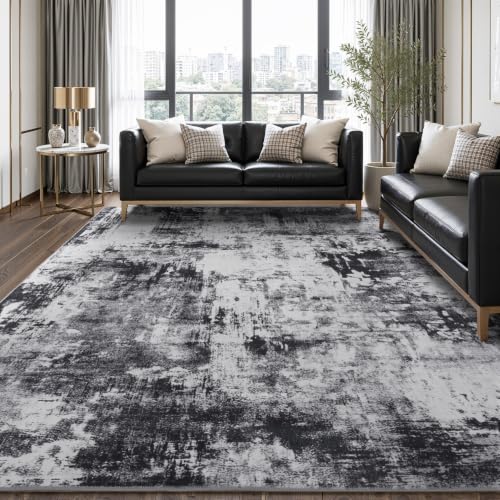
Modern Abstract Rug: Featuring black and grey abstract patterns with soft neutral tones, this rug is versatile for modern home decor, adding more comfort and warmth to your home. Ideal for living room, bedroom, dining room, home office, entryway, and more

Lift-Away For Above-Floor Cleaning
Blot Spills Immediately: The First Rule Before You Clean
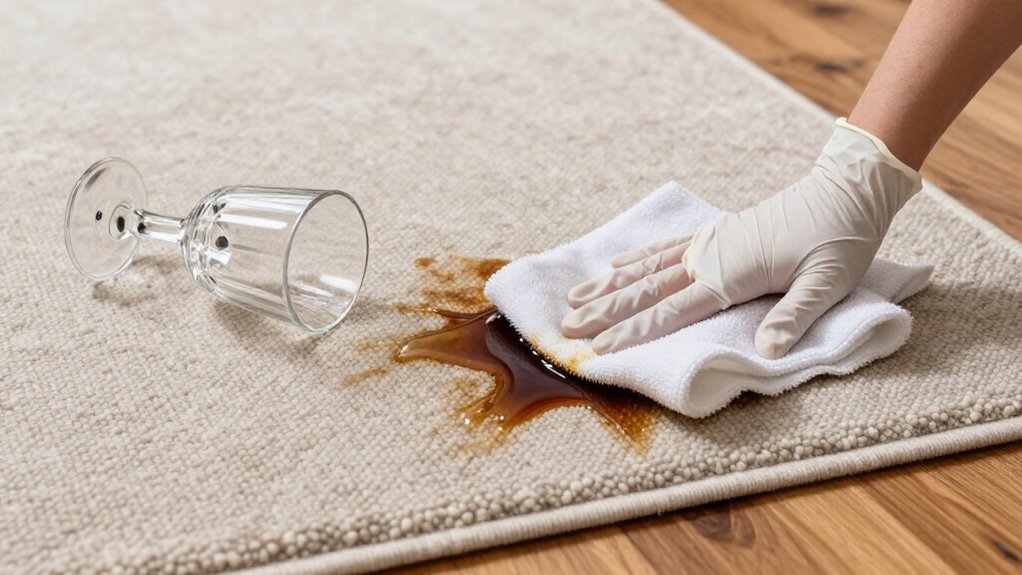
When something spills on your rug, you’ve got to move fast before it sets in and becomes a permanent stain. You’ll want to master the right blotting technique so you’re lifting the mess out instead of rubbing it deeper into the fibers. Watch out for common mistakes like scrubbing too hard or reusing a soaked cloth, since these slip-ups can turn a quick cleanup into a bigger headache.
Recommended Products

COMPACT CLEANING SOLUTION: Everything you need to clean spots or whole rooms. Includes 1 lb Carpet & Rug Dry Cleaner powder, 16oz Soil Release Pre-Mist and a bonus carpet brush (handle not included). With Capture Powder Cleaner, the spots do not reappear and act like heavy-duty sponges to absorb dirt and spills.
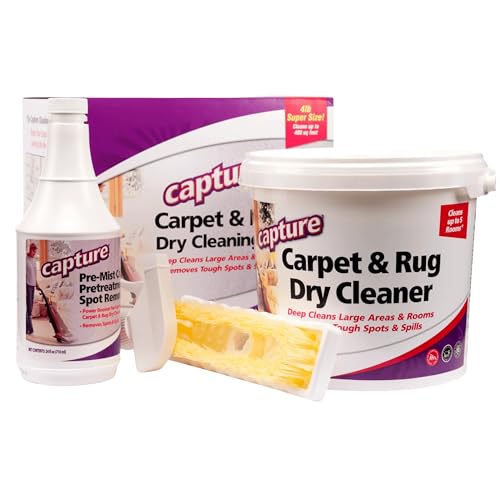
COMPACT CLEANING SOLUTION: Everything you need to clean spots or whole rooms. Includes 4 lb Carpet & Rug Dry Cleaner powder, 24oz Soil Release Pre-Mist and a bonus carpet brush (handle not included). With Capture Powder Cleaner, the spots do not reappear and act like heavy-duty sponges to absorb dirt and spills.

COMPACT CLEANING SOLUTION: Everything you need to clean spots or whole rooms. Includes 2.5 lb Carpet & Rug Dry Cleaner powder, 16oz Soil Release Pre-Mist and a bonus carpet brush (handle not included). With Capture Powder Cleaner, the spots do not reappear and act like heavy-duty sponges to absorb dirt and spills.
Why Speed Matters
The moment a spill hits your rug, the clock starts ticking. Speed matters because every second counts when liquid spills threaten to soak deeper into rug fibers and the pad beneath. Blot spills immediately with a paper towel or colorless cloth to pull moisture out before stains set and become permanent.
Replace your towel or cloth as it loads up so you don’t spread the mess. Keep blotting until no more liquid transfers. The longer you wait, the harder you’ll work later. Some stains become nearly impossible to remove once they settle in, even with professional spot-cleaning.
Act fast, and you’ll save yourself time, money, and frustration. Your rug will thank you.
Blotting Technique Basics
Because spills don’t wait, neither should you. Blot spills immediately with a colorless cloth or paper towel to stop liquid from soaking deeper. You’ll want to avoid rubbing, which only pushes stains further into fibers and damages the pile.
Use a gentle press-and-lift motion instead. Press down, let the cloth absorb the liquid, then lift straight up. Switch to fresh sections as soon as one area gets saturated; this pulls moisture out faster and keeps stains from setting.
For solid spills, gently scoop with a dull spoon or butter knife first. Don’t push debris deeper. If liquid has soaked through, check the rug’s underside and blot there too. This prevents hidden moisture from causing odors or discoloration later.
Common Blotting Mistakes
Even if you know the basics, it’s easy to slip up when you’re rushing to save your rug. You grab whatever towel’s handy. You rub hard when you panic. These habits wreck your fibers fast.
You must blot spills immediately with a clean, colorless towel so liquid doesn’t soak deeper into the fibers. Don’t rub or scrub; friction spreads stains downward. Switch to fresh sections of towel as yours gets wet, or you’re just pushing mess around. For chunky spills, gently scoop first, then blot.
Always check both the top and underside after blotting. Urine and thin liquids sneak through to the backing.
- Grab the wrong towel and leave color behind
- Rub stains deeper instead of lifting them
- Reuse saturated towel sections
- Skip checking underneath for hidden moisture
- Wait too long before you start blotting
Clean Wool and Silk Rugs: Handle Protein Fibers With Care
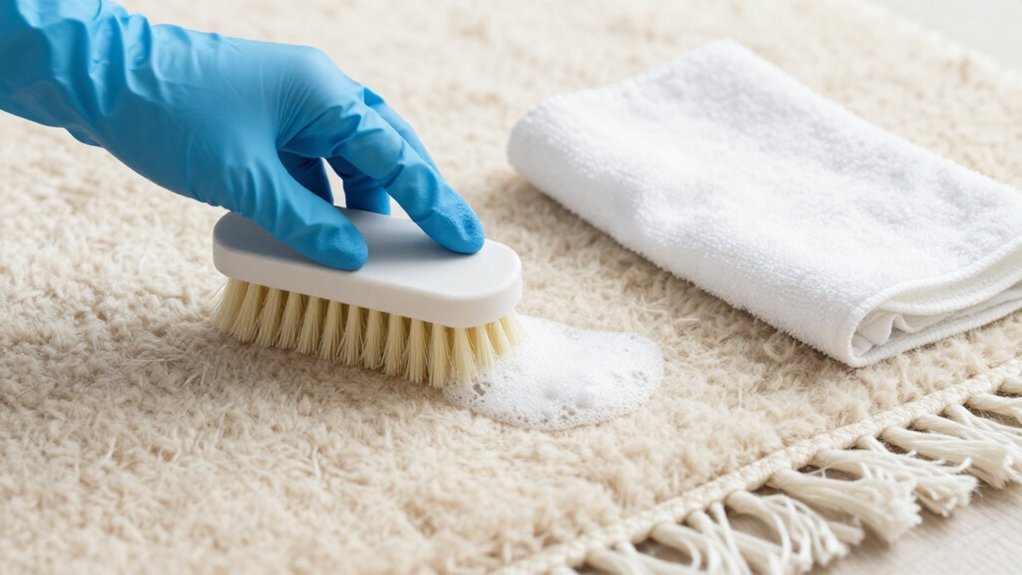
Wool and silk rugs feel luxurious underfoot, but they’re also made from protein-based natural fibers that need gentler treatment than synthetic alternatives.
Vacuuming Wool Rugs
You should vacuum wool rugs weekly to prevent soil from compacting and wearing down fibers. Keep them away from heat and harsh chemicals during cleaning.
Never Get Silk Rugs Wet
Keep silk rugs dry at home. Water, steam, and heat weaken these delicate fibers and cause shrinkage. If you spill something, blot gently, never rub.
Handling Spills
Avoid vinegar-water or enzymatic cleaners on silk; they break down protein fibers and cause dye bleeding.
When to Call a Pro
Leave deep cleaning to a professional cleaner. Both fiber types need specific care to prevent damage. Always check your rug’s care label first.
Recommended Products

POWERFUL OIL STAIN REMOVER FOR CLOTHES: This oil stain remover removes frustrating oil stains from clothes, including cooking oil, essential oil, mechanic oil, and more....
Clean Plant and Fur Rugs: Dry Methods for Jute, Sisal, Sheepskin, Cowhide
Now let’s look at rugs made from plants and animal hides. You’ll want to keep these completely dry since water damages their fibers.
For your jute rug or sisal rug, skip moisture entirely. Vacuum gently, then blot spills fast with paper towels. Use dry rug powder or baking soda for deeper cleaning.
Your sheepskin rug needs regular shakeouts and vacuuming with a non-spinning brush attachment. For pet stains, blot first and apply sheepskin-safe detergent without enzymes or bleach.
For cowhide rugs and other fur rugs, shake them outdoors and vacuum with suction only, never against the grain. Never wash these; moisture causes mildew and mold.
- Dry methods prevent browning in plant fibers
- Suction-only vacuuming protects delicate hides
- Immediate blotting stops stains from setting
- Regular vacuuming extends rug life considerably
- Proper care avoids costly replacement
Recommended Products
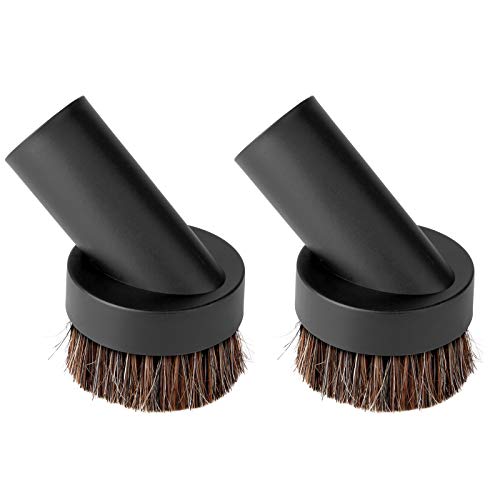
Round dusting brush made of soft natural bristle and plastic material, good quality

❤Package: This dust cleaning attachment kit includes 10 vacuum attachments and 6 hose adapters: 1 x Crevice Tool, 1 x Horsehair Dust Brush, 1 x Upholstery Brush, 1 x Pet Hair Removal Brush, 1 x small crevice combine tool, 1*Flexible Crevice Tool & 4*vacuum extension tubes 32mm. It includes multiple adapters (1.25” & 1.375”) to fit most standard household and shop vacuums, ensuring broad compatibility.
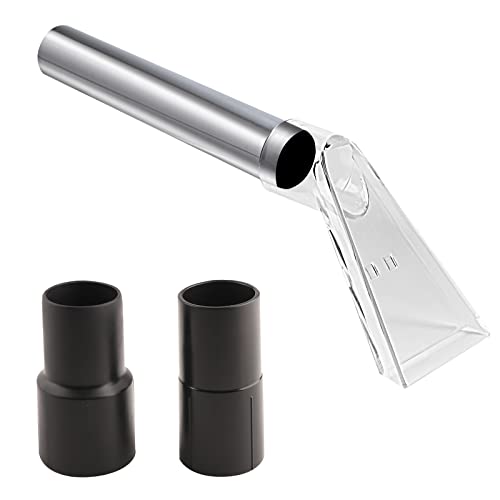
EXTRACTOR ATTACHMENT: This tool turns any wet/dry vacuum cleaner and shop vac into a powerful extractor. Has the ability to remove dirt and dirty water. Easy to install and reusable.
Clean Synthetic Rugs: Scrubbing Viscose and Polypropylene Safely
You’ll need to treat viscose and polypropylene rugs very differently, since one is surprisingly delicate and the other can handle much more. Understanding how viscose care, polypropylene cleaning basics, and avoiding common mistakes work together will save you from ruining an expensive “art silk” rug or under-cleaning a sturdy outdoor one. Let’s break down exactly what each synthetic fiber needs and where owners typically go wrong.
Recommended Products

Folding Packaging Note: The Garveehome carpet is folded for easy shipping, which may cause temporary creases. To remove creases, lay flat, press the creased areas gently, and iron with a low-temperature steam iron over a damp cloth, or roll the carpet in the opposite direction.

Premium Prints and Superior Quality: Modern rug designed with printed abstract western style to punch your home decor. The rug is made of sturdy and soft material, which is suitable for high-traffic areas in the hallway, kitchen and bathroom

Soft & Comfortable Underfoot: Crafted from plush, high-quality materials, this rug offers a soft and cozy feel that is gentle on bare feet; It provides a comfortable surface for sitting, playing, or relaxing in any room
Understanding Viscose Care
Because viscose rugs look and feel like silk but need gentler handling, you’ll want to treat them differently than sturdier synthetics. Also called art silk, these fibers crush and stain easily when you’re too aggressive.
Always grab your suction-only vacuum and remove that brush attachment before cleaning. The bristles pull and damage these delicate strands.
When spills strike, resist the urge to scrub. Lay a large cotton towel over the spot, weigh it down, and walk away for twenty-four hours without peeking. The towel does the hard work for you.
- Skip scrubbing and rubbing motions entirely
- Avoid spraying cleaners directly onto fibers
- Blot with a damp sponge, never soaking wet
- Use a vinegar-to-water solution for stubborn spots
- Press-dry thoroughly before the weighted towel method
Polypropylene Cleaning Basics
Unlike fussy viscose, polypropylene rugs love a good deep clean. You’ll want to grab your vacuum cleaner and use powerful suction to pull out trapped dirt, dust, and pet dander. These synthetic rugs stand up to most cleaning solutions, so you’ve got flexibility when tackling grime.
Skip aggressive scrubbing, since it can grind dirt deeper. Instead, blot with controlled cleaning and rinse thoroughly to remove residues. For comparison, viscose rugs demand far more caution; you only spot clean them with minimal moisture and never scrub. Weighted absorption works best for viscose spills.
Polypropylene’s stain resistance makes it ideal for busy homes. Regular vacuuming keeps these synthetic rugs looking fresh without the delicate handling that viscose requires.
Avoiding Common Mistakes
Now that you’ve got a handle on polypropylene’s cleaning routine, let’s look at where most people slip up with these synthetic rugs. You can avoid costly damage by steering clear of aggressive cleaning methods on both materials.
- Skip the brush on viscose, it pulls fibers loose; stick to suction-only vacuuming with your canister vacuum.
- Don’t scrub polypropylene with hot water, you’ll weaken the fibers over time.
- Vacuum polypropylene twice a year with strong suction since loose dirt can trap dirt deep inside.
- Never spray cleaners directly on viscose, blot with a barely damp sponge instead.
- Avoid weighted towels on polypropylene, this method is for viscose spills only.
Remove Set-In Stains: Wine, Pet Accidents, Blood, and Nail Polish
Set-in stains can feel like a permanent problem, but you can tackle them with the right approach.
Tough Stains and How to Handle Them
For red wine, blot with paper towels, don’t rub. Spray a 50/50 water-and-vinegar mix and blot until the stain lifts. Skip white wine; it adds sugars that complicate cleaning.
For pet urine accidents, blot immediately and check the underside, since urine soaks through. Spot-test an enzyme cleaner (like Nature’s Miracle) in a hidden area, then apply to clean the rug properly and remove lingering odor.
For blood stains, blot with a terry cloth to avoid spreading. Use enzyme cleaners cautiously, and don’t use them on silk. Spot-test on nylon or wool first.
For nail polish, blot carefully and let it dry. Skip nail polish remover on silk, nylon, or wool, as it ruins fibers and dyes. Seek professional help if needed.
Treat stains fast; the longer they sit, the harder they become.
Recommended Products
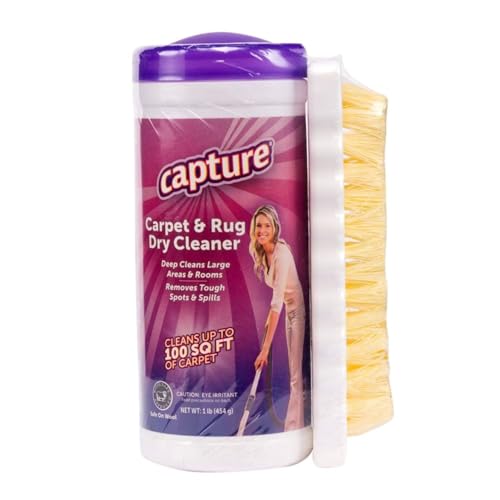
ABSORBENT DEEP DRY CLEANING: Wet cleaners cause wicking by leaving moisture in carpets, rugs, upholstery, furniture, sofa, and couch. With Capture Powder Cleaner, the spots do not reappear, it acts like heavy-duty sponges to absorb dirt and spills. This superior deodorizer and cleaner eliminates strong odors for long-lasting freshness.

Rapid Refresh Technology: Clean, deodorize, and remove wrinkles in hand-wash or dry-clean-only clothing in minutes with the at-home dry cleaning kit. A single dryer-activated cleaning cloth is all it takes to leave clothes clean, refreshed and ready to wear in 20 minutes
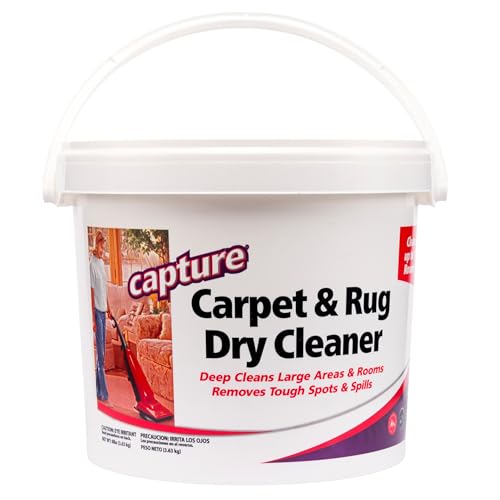
ABSORBENT DEEP DRY CLEANING: Wet cleaners cause wicking by leaving moisture in carpets, rugs, upholstery, furniture, sofa, and couch. With Capture Powder Cleaner, the spots do not reappear, it acts like heavy-duty sponges to absorb dirt and spills.
Deep Clean Your Rug: Machine vs. Professional Cleaning
Once you’ve handled stains, it’s time to think about giving your rug a thorough refresh. Deep-cleaning can be done by machine only if your rug’s fiber allows it, since aggressive agitation and hot water can damage natural fibers and some dyes. In general, professional cleaning is recommended for delicate or high-risk rug types, where wetting or heat can cause strength loss, shrinkage, or dye bleeding.
If choosing a machine approach at home, use a suction-only vacuum setup for pre-cleaning to avoid fiber pulling, then follow with gentle, cold or cool washing methods appropriate to the rug’s material. Pros are especially useful for wool and mixed-fiber rugs because they reduce risks tied to slow drying and to incorrect solutions that can dull or damage fibers.
- Ask yourself: what’s your rug made of before you start?
- Remember: Persian rugs and any oriental rug need extra care due to dye sensitivity
- Watch out: too much liquid traps moisture and invites mildew
- Consider: professional cleaners know how to test fibers safely
- Plan ahead: schedule deep-cleaning once or twice yearly alongside regular maintenance
Maintain Your Rug: Weekly Habits That Prevent Damage
The best way to protect your investment is through simple, consistent habits that stop damage before it starts.
Weekly Vacuuming Routine
Every Rug needs regular attention. Vacuum at least once a week, more often in busy spots. Use suction-only mode or make long, one-directional passes. This keeps dirt from grinding deeper into fibers. Skip the rotating brush, it can damage delicate piles. First, vacuum the floor underneath your rug. Then flip it and clean the other side. This removes grit before it embeds.
Smart Rotation and Protection
Rotate your rug every 3–6 months. This spreads wear evenly and prevents fading from sun exposure in one spot. Avoid thick rubber-soled shoes or heavy footwear. These cause friction, shedding, and flattening.
Use a Proper Underlay
Add a rug pad sized 2 inches smaller than your rug. This stops shifting and bunching, reducing abrasion damage week after week. You’re cleaning your rugs wisely when you prevent problems first.
Recommended Products

Compatibility of Shop Vac Turbo Nozzle: Suitable for 1-1/4" or 2-1/2" diameter vacuum hose, NOT for 1-3/8", 1-1/2", 1-7/8" or 2-1/4"; PLS check vac hose size before order

【Compatible Models】 Fit for Bissell Cleanview Swivel Pet Crosswave 2252 2489 2486 2254 22543 24899 1831 Vacuum Cleaner

14 Inch scalloped carpet brush works great on any carpeted surface where commercial cleaning is necessary

I am Đinh Ai Nguyễn, a content writer at SoftAuraHome.com. For me, home is more than just a place to live. It is where we recover from long days, hold our quiet moments, and create the atmosphere that shapes how we feel. That belief is one of the biggest reasons I wanted to be part of this blog. I started writing about home decor because I have always been drawn to spaces that feel soft, peaceful, and emotionally grounding. I believe a calm room can do more than look beautiful. It can bring comfort, restore energy, and help people feel more connected to themselves and the life they are building. Through Soft Aura Home, I want to share ideas that are not only visually inspiring, but also meaningful in everyday life. With experience in SEO writing and niche content publishing, I understand how to create articles that are clear, useful, and easy to discover. But beyond strategy, I care deeply about how a piece of content makes someone feel. Every article I write is created with the hope of helping readers shape homes that feel gentle, personal, and full of quiet warmth.
Follow on Facebook