
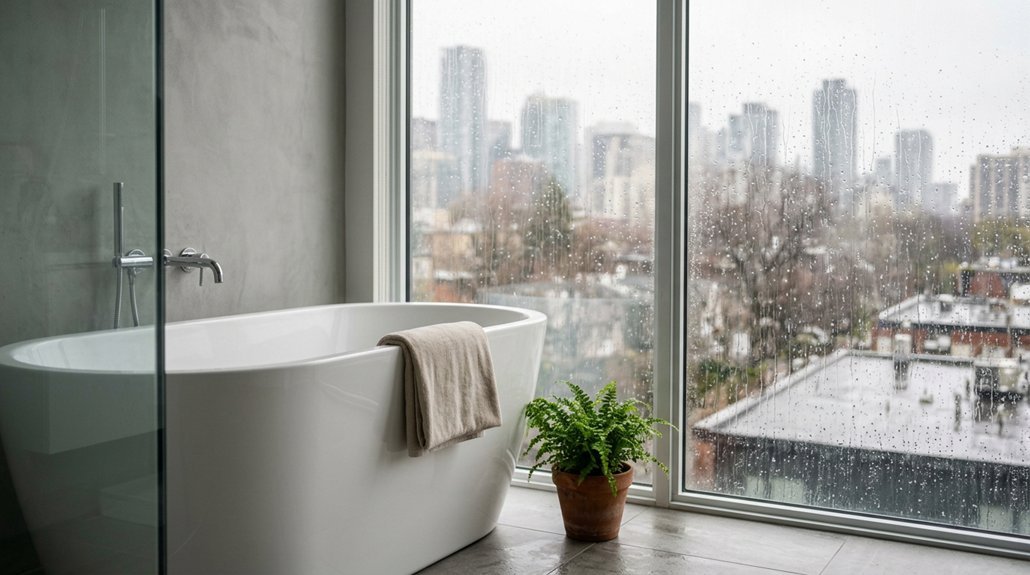


You’re standing in the hardware store, staring at two tubs that look nearly identical, and you realize the price tags are $200 apart for what seems like the same thing. That moment of confusion is exactly why material matters more than appearance when you’re choosing between acrylic and fiberglass. One of these tubs will stay warm through long baths and resist cracks for 15 years. The other might flex, fade, and need replacing before your kids hit middle school. You need to know which is which before you spend a dime.
What Each Tub Is Made Of (and Why It Matters)
How do you tell what your bathtub is actually made of? You’re really looking at two different construction methods hiding inside similar-looking tubs.
Acrylic Tubs
Manufacturers heat and vacuum-form an acrylic sheet into shape, then spray on multiple fiberglass reinforcement layers underneath. You get a non-porous surface on top with solid backing beneath. That sealed surface means water sits on top rather than soaking in.
Fiberglass Tubs
These start with woven fiberglass strands combined with polyester resin, layered up in a mold. Workers pull the shell out, then add a gel coat finish on top. The protective layer’s thickness affects performance over time.
Both materials use fiberglass reinforcement, but acrylic’s vacuum-molded shell creates a different structure than resin-layered construction. You can’t see the difference at a glance, but you’ll feel it in daily use.
Recommended Products

Waterproof and very firm after curing, Fiberglass Repair Kit can be used to repair chips, scratches, dents, patch, worn, holes ect . Apply to fiberglass bathtub, acrylic bathtub, ceramic bathtub, enamel bathtub, cast iron bathtub, porcelain sink, ceramic tile, toilet, and cultured marble.

Color Match for White & Aged Tubs: This fiberglass bathtub repair kit includes color tints to blend repairs with white, aged white, off-white, almond, beige, bone, biscuit and ivory surfaces, avoiding the bright white patch left by a one-color repair.

Permanently Repair Chips, Cracks & Holes – No More Recurring Damage:Designed for bathtubs, sinks, shower trays, and more. Permanently fixes cracks, chips, scratches, and holes on fiberglass, enamel, acrylic, ceramic, cast iron, and other surfaces. Once cured, it forms a leak-proof, heat-resistant layer – repair once, enjoy long-lasting results.
Which Material Lasts Longer: 10- to 20-Year Outlook?
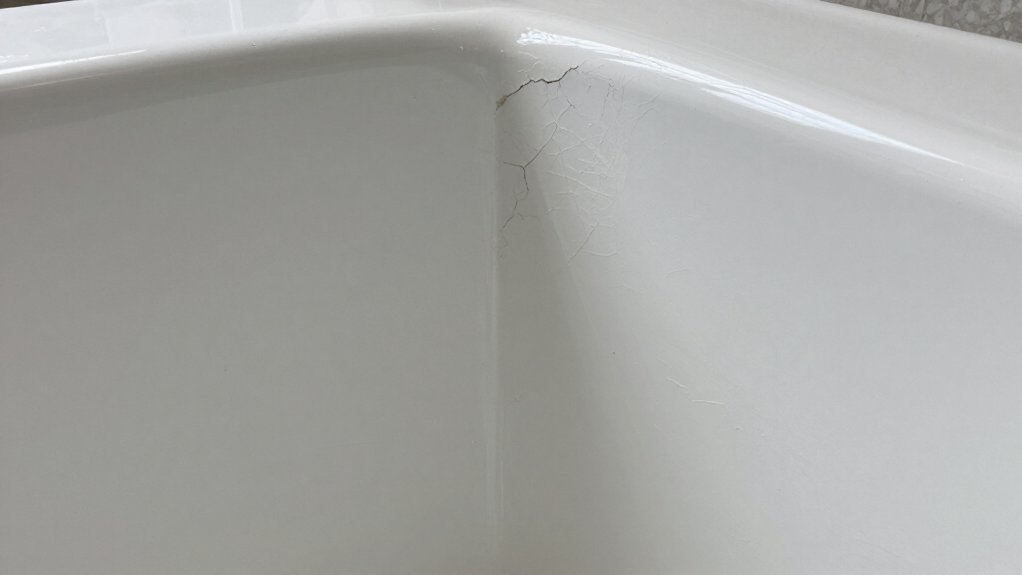
When you’re planning a bathroom that’ll serve you for years, you’ll want to know which tub material actually holds up. Acrylic gives you a solid shot at 10 to 15 years, and with good care, you can push that toward 20. Fiberglass, on the other hand, tends to show its age sooner, usually calling it quits around 5 to 10 years as the surface wears and weakens.
Recommended Products

[DIMENSIONS AND SPECIFICATIONS]: 71 inch L x 31 1//2 inch w x 22 7/8'' H; capacity: 65 gallons; max water depth (to overflow): 14 1/2 inch

Our tall, flexible suction cup design works best on smooth, non-porous surfaces like tiles, glass, and ceramic. This 2-pack set includes a shower cap and exfoliating bath gloves, adding extra value to your bath or shower routine. For the best grip, dampen the suction cups before attaching.The seamless design ensures a tight fit, preventing leaks and avoiding the gaps common in traditional splash guards.
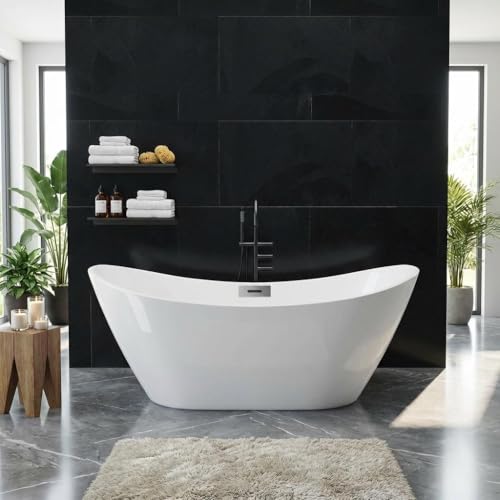
【Premium Acrylic Craftsmanship】 This freestanding bathtub is constructed from high-quality acrylic, reinforced with fiberglass and resin for maximum durability. Multi-layer construction offers a glossy finish, outstanding strength, and naturally retains water temperature for relaxing soaking experiences all year round.
Acrylic Lifespan Potential
Consider acrylic if you’re planning to stay in your home for the long haul. Acrylic bathtubs typically last 10 to 15 years, and with good care, you can push that to 20 years or more.
Here’s why acrylic wins on lifespan:
- Reinforced construction: Acrylic sheets get vacuum-formed, then backed with multiple fiberglass layers. You get strength without the quick wear.
- No gel coat worries: Fiberglass bathtubs rely on a thin gel coat that cracks and fades fast. Acrylic skips this weak point entirely.
- Better heat retention: Your bath stays warm longer, so you enjoy more comfort with less water waste.
- Requires less maintenance: Simple cleaning keeps it looking fresh. You won’t fight discoloration or stress about small defects letting water through.
Acrylic lifespan potential simply outperforms fiberglass for durability and appearance over decades.
Fiberglass Durability Limits
Even though fiberglass tubs cost less upfront, you’ll face their durability limits sooner than you might expect. Fiberglass tub lifespans typically reach only 5–10 years, so you’ll likely replace yours well before that 10- to 20-year mark.
Here’s what shortens that lifespan:
- The gel-coat finish wears down over time, causing fading and dulling
- Once that coating thins, the surface becomes prone to cracking
- Fiberglass is more porous than acrylic, so water seeps into small cracks and speeds deterioration
- Daily use leads to surface wear that compounds these problems
You can extend performance with gentle cleaning and prompt repairs. Still, fiberglass durability limits make this material better for guest baths or tight budgets, not heavy daily use. Plan for earlier replacement when you choose fiberglass.
Tub Weight and Installation Ease
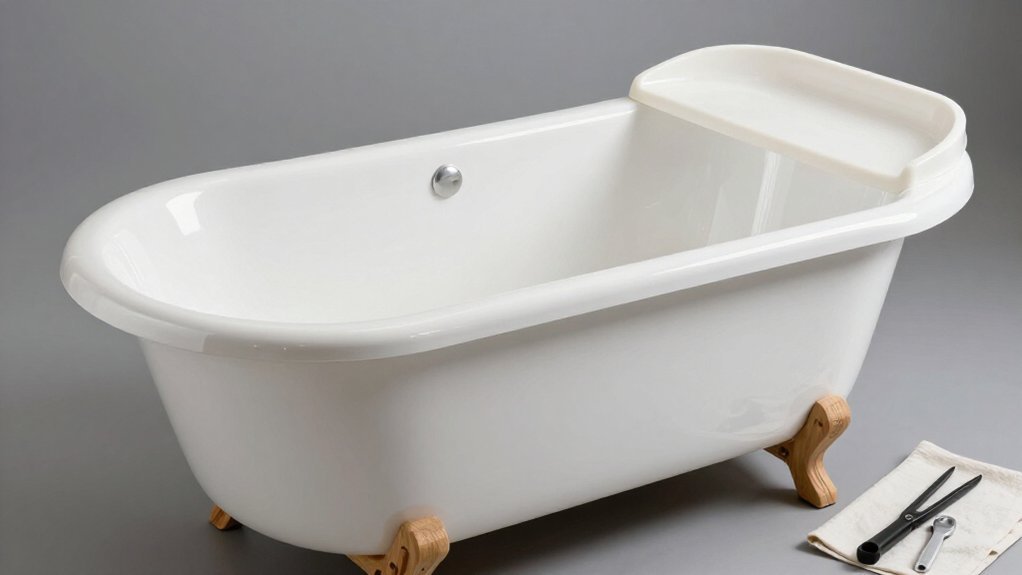
Because you’re probably wondering how much hassle it’ll be to get that new tub into place, let’s talk about weight and installation.
Fiberglass Bathtubs: Light and Simple****
Fiberglass tubs typically weigh around 70 pounds, making them the lightest option you’ll find. You’ll move them easily, even up stairs. They’re easier to install than heavier materials, and you won’t need much floor reinforcement. This makes fiberglass perfect if you’re tackling a DIY bathroom remodel.
Acrylic Tubs: Still Manageable
Acrylic tubs weigh less than porcelain or cast iron, though they’re usually heavier than fiberglass. You’ll still find them manageable for installation without specialized equipment or structural upgrades.
The Bottom Line
Both materials beat steel and iron for ease of handling. You’ll save time, effort, and money on installation with either choice.
Recommended Products

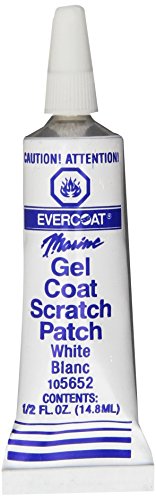
Marine Fiberglass Repair Kit: This all-in-one epoxy filler can fix fiberglass boat damage efficiently, repairing deep scratches, cracks, chips, and holes in the boat, jet ski, yacht, surfboards, and other water vehicles. Our fiberglass repair kit has super strong adhesion and perfectly achieves seamless repair of marine gel coat, giving the boat finish a new life.rine Fiberglass Repair Kit
Product Type:Drinking Cup

Exclusive tinting pigments – Easily match with your boat's white color with our 6 quality tinting pigments of 1/4 oz each. You won't find this offer elsewhere. Pigment colors include popular White, Black, Yellow, Blue, Red, and Brown. Adding color to white gelcoat creates lighter, pastel colors. Marine Coat One white gel coat with wax can be can be tinted by adding up to 1% polyester resin or gelcoat colorants prior to adding MEKP catalyst.
Heat Retention: Which Tub Keeps Water Warmer?
When you’re settling in for a long, relaxing soak, you don’t want your bathwater turning chilly halfway through. Heat retention matters, and you’ll notice real differences between fiberglass and acrylic.
Acrylic offers superior insulation because it’s vacuum-formed from solid, non-porous sheets. This construction keeps water warmer for longer, even during extended baths. Fiberglass cools faster since it’s layered glass fiber and resin, which lacks the same thermal barrier.
Acrylic’s solid, non-porous construction traps warmth effectively, while fiberglass layers lose heat faster without the same thermal barrier.
Consider these points when comparing bathtub materials available:
- Acrylic maintains water temperature noticeably longer than fiberglass
- Fiberglass loses heat quickly, cutting soaks short
- Better insulation means you won’t need to add hot water as often
- Acrylic’s solid construction traps warmth effectively
- Prioritize acrylic if heat retention tops your list
You’ll stay cozier with acrylic’s thermal advantages.
Recommended Products

Versatile Standard Size — Ideal for Everyday Bathing At 59" L x 30.75" W, this is the most popular size for American bathrooms — fitting seamlessly into standard bathroom layouts while providing generous space for full-body relaxation. The 15-inch soaking depth submerges your body completely for a therapeutic soak, while the contoured backrest provides ergonomic support for your neck and shoulders. cUPC certified for safety and quality assurance.
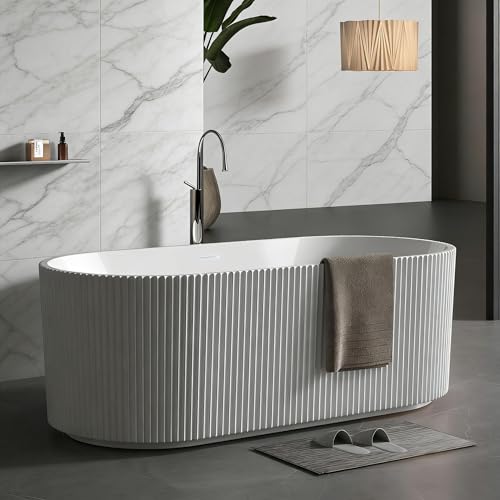
【Modern Striped Acrylic Freestanding Tub】Enhance your bathroom with the sleek design of this 59-inch acrylic freestanding soaking bathtub. The distinctive striped exterior adds a contemporary flair, while the ergonomic sloped lumbar support promotes maximum comfort during every soak. Its glossy white finish complements various bathroom styles.

✅ [DIMENSIONS AND SPECIFICATIONS]: Exterior Dimension: 67" Long x 31 1/2" Wide x 22 7/8" Deep – Effective Tub Capacity: 60 Gallons.
Structural Integrity: Flexing, Creaking, and Long-Term Stability
Beyond staying warm, you’ll want a tub that feels solid under you year after year. When you compare acrylic and fiberglass tubs, you’ll notice real differences in how they hold up.
Acrylic Tubs
These start as heated sheets vacuum-formed into shape, then get reinforced with fiberglass layers underneath. This extra support helps prevent flexing and reduces creaking when you move around. You’ll get better long-term stability because the thick acrylic shell doesn’t depend only on a thin protective gel coat.
Fiberglass Tubs
These use woven glass fibers with polyester resin and a protective gel coat on top. They’re lighter and easier to install, but you’ll feel more flexing that can lead to creaking over time.
For lasting stiffness, acrylic typically wins. You can expect 10–15+ years versus 5–10 years for fiberglass before aging shows.
Recommended Products

Sleek Built-In Bathtub: Upgrade your bathroom with our modern built-in bathtubs, crafted from durable, high-quality acrylic and fiberglass. Equipped with adjustable legs for...
Scratch and Crack Resistance: Which Shows Damage First?
You’ll want to compare surface hardness first, since acrylic’s solid molded layer resists scratches better than fiberglass’s thinner gel coat, which wears down faster under daily scrubbing. Damage vulnerability also differs, fiberglass shows fading, dulling, and texture changes sooner, while acrylic holds its smooth look longer before any marks appear. When repairs do become necessary, you’ll find acrylic scratches easier to buff out with polish or a simple repair kit, but fiberglass damage often demands more work because the worn gel coat reveals the rougher material underneath.
Recommended Products

【Versatile Household Repair Solution】Kalolary surface repair kit for tubs is design for repairing various surfaces including acrylic and fiberglass bathtubs, ceramic sinks, tiles, granite and marble countertops, porcelain fixtures, and stone materials providing a comprehensive solution for common household damages.

SLEEK BUILT-IN BATHTUB: Modern built-in tub made from durable acrylic and fiberglass. Recessed design ensures stable installation and resists cracking, chipping, and damage from salts and oils.

SLEEK BUILT-IN BATHTUB: Modern built-in tub made from durable acrylic and fiberglass. Recessed design ensures stable installation and resists cracking, chipping, and damage from salts and oils.
Surface Hardness Comparison
How soon will you notice wear on your new tub? Let’s look at how surface hardness stacks up between these two materials.
- Acrylic gives you a smooth surface that’s scratch and stain-resistant, so you’re less likely to see marks early on.
- Fiberglass comes coated with a gel layer over resin, which can wear down and create uneven texture faster.
- You’ll probably notice dulling or minor scratches on the fiberglass surface finish sooner than on acrylic.
- Light marks on acrylic tend to show later and are easier to buff out.
- Acrylic’s vacuum-formed construction can create thin spots, making certain areas more prone to cracks under stress, while fiberglass shows surface damage first through its aging gel coat.
You’ll typically spot scratches and wear earlier on fiberglass, while acrylic keeps its cleaner look longer, though crack risks differ by stress point.
Damage Vulnerability Factors
Surface hardness tells you how a tub holds up to daily use, but it doesn’t tell the whole story. When you’re comparing acrylic vs fiberglass for damage vulnerability, you’ll notice real differences in how quickly wear becomes visible.
Acrylic tubs resist early damage better. Their non-porous surface repels water and stains, so light scratches from daily wear often buff out with polish. You won’t see fading or discoloration quickly. However, vacuum-forming can create thin spots that may crack under heavy stress.
Fiberglass tubs show age sooner. The gel coat layer wears down, causing the surface to fade, discolor, and turn dull or rough. You’ll spot aging before structural failure. These tubs are also prone to chipping if struck.
You’ll get 10–15+ years from acrylic versus 5–10 from fiberglass, matching their early damage patterns.
Repair Difficulty Levels
When damage eventually shows up, you’ll want to know what you’re in for. Repair difficulty levels differ quite a bit between these two materials.
- Acrylic resists damage longer, often lasting 10–15+ years, and you can buff out light scratches with fine polish or an acrylic repair kit
- Fiberglass shows wear sooner, typically 5–10 years, because its gel coat surface wears down and fades faster
- Fiberglass scratch/crack repairs use resin patches that may stay slightly visible under certain lighting
- Acrylic repairs blend more smoothly with proper finishing/polishing
- Cracking and water intrusion hits fiberglass harder since its porous structure lets moisture seep through worn gel coat
You’ll find acrylic more forgiving for DIY fixes, while fiberglass demands quicker attention to prevent bigger problems.
Repair Costs: Refinishing Acrylic vs. Patching Fiberglass
While most homeowners dread the day their bathtub gets scratched or cracked, you’ll find that acrylic and fiberglass repairs follow very different paths.
Acrylic Refinishing
When you choose acrylic, you’ll use color-matched acrylic fillers followed by polishing for light scratches. The surface blends more seamlessly than the original finish. However, deeper damage requires professional refinishing, and repair costs climb quickly for major fixes. Acrylic works best for small issues.
Patching Fiberglass
With fiberglass, you’ll rely on resin patch kits to fill chips and cracks. The gel coat wears over time, so repaired areas may stay slightly visible. Age-related fading makes matching tricky, meaning you’ll focus more on functional fixes than perfect restoration.
Bottom Line
If you value smooth results on minor damage, acrylic refinishing delivers. For practical, budget-friendly repairs, patching fiberglass gets the job done without breaking your wallet.
Recommended Products
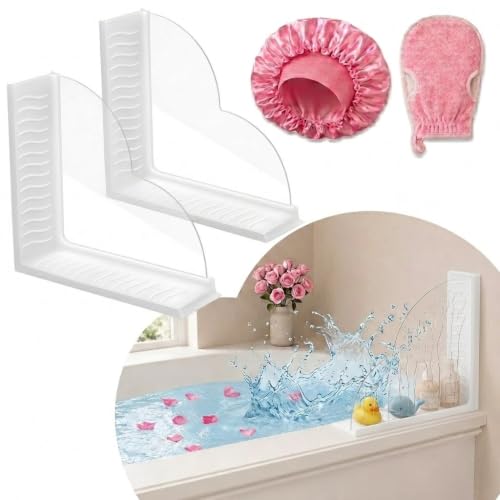
Our tall, flexible suction cup design works best on smooth, non-porous surfaces like tiles, glass, and ceramic. This 2-pack set includes a shower cap and exfoliating bath gloves, adding extra value to your bath or shower routine. For the best grip, dampen the suction cups before attaching.The seamless design ensures a tight fit, preventing leaks and avoiding the gaps common in traditional splash guards.

Reusable & Removable:The suction cup hooks is made of durable 304 stainless steel material with waterproof and rustproof.Easily removable by turning knob counterclockwise to release and using knife pry out.Washing the suction bottom can repeatly use
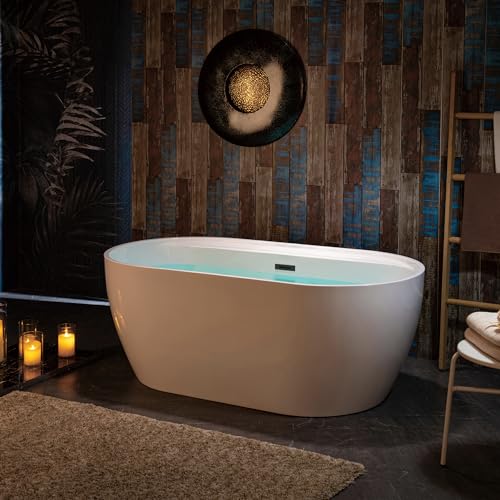
✅ [DIMENSIONS AND SPECIFICATIONS]: Exterior dimensions: 59" Length x 31-1/2" Width x 22-7/8" Height;Internal dimensions: 39-3/8"Length x 19-5/8" Width; Water Depth to Overflow: 15 " Deep. – Effective Tub Capacity: 69 Gallons.
Upfront Price: Why Fiberglass Costs Less
You’ll notice fiberglass tubs usually cost less at checkout because their woven glass fiber and resin construction uses cheaper raw materials than acrylic’s heated, vacuum-formed sheets. The manufacturing process is simpler too, with layers of polyester resin and a gel-coat finish replacing more complex molding steps. Plus, since fiberglass often comes in standard sizes mass-produced by the thousands, you’re paying for efficiency rather than custom craftsmanship.
Recommended Products

Premium Marine-Grade Polyester Gelcoat: More Durable Than Standard Orthophthalic Gelcoat, This Is The Smart Choice For Cosmetic Gelcoat Repair, Hull Coatings, Boat Building, Layups And Exterior Coatings For Composite Parts On Boats, Motorcycles, Rvs & More

Fiberglass Repair Products Multi-Scenario Application: Fiberglass boat repair kit for boats, yachts, sailboats, motorboats, surfboards, speedboats, canoes, jet skis, decks, beams and other watercrafts fibreglass repair

PROFESSIONAL-GRADE ISO GELCOAT FOR MARINE & COMPOSITES Formulated for durability and long-lasting performance, this marine-grade polyester gelcoat is ideal for cosmetic repairs, hull finishes, mold layups, and exterior composite surfaces on boats, RVs, motorcycles, and other fiberglass projects.
Raw Material Costs
Because you’re working within a tight budget, fiberglass tubs often catch your eye first, and there’s a good reason for that. The raw materials behind each option tell the story.
Fiberglass starts with woven glass fibers and polyester resin, a combination that’s less expensive to source and shape than acrylic’s premium components. Manufacturers also skip the extra finishing steps that drive up prices elsewhere.
Here’s what you’re actually paying for:
- Sheets of acrylic plastic cost more to produce and form than fiberglass composites
- Fiberglass uses a simple protective gel coating instead of thicker surfaces
- You won’t find a layer of porcelain enamel on either, but acrylic’s non-porous build adds expense
- Standard sizes keep fiberglass affordable across a wide range of budgets
- Lower upfront cost reflects simpler materials, not corner cutting
Your wallet feels the difference immediately.
Simpler Manufacturing Process
The factory floor tells you everything about why fiberglass keeps more cash in your pocket. When you compare how bathtubs are made, you’ll see fiberglass uses a simpler manufacturing process that skips the fancy steps.
Fiberglass bathtubs are made by weaving glass strands, layering them with polyester resin, and adding reinforcement. That’s it. No vacuum-forming heated sheets like acrylic requires. You get a gel coat finish on top, which looks smooth and stays highly resistant to daily wear.
When you weigh Acrylic vs Fiberglass vs Porcelain, the manufacturing process matters most to your wallet. Fiberglass needs less specialized equipment and fewer processing stages. This straightforward build keeps upfront costs low, even if the tub won’t last decades. You’re paying for simplicity, not complexity.
Mass Production Efficiency
Step onto any factory floor and you’ll spot the difference immediately. Fiberglass bathtubs get their mass production efficiency from a simple process. You’ll see workers lay up woven glass fibers into molds, add polyester resin, and finish with a gel-coat surface. No vacuum-forming ovens needed.
Acrylic can’t match this speed. Its sheets demand heating, vacuum molding, then extra reinforcement. You’re paying for those extra steps.
Here’s why fiberglass keeps your wallet happier:
- Laid up woven glass fibers skip expensive equipment needs
- Gel-coat surface finishes tubs quickly without extra processing
- No vacuum-forming stage means lower labor and energy costs
- Cheaper upfront options come from streamlined material use
- Standard sizes roll out faster than custom acrylic shapes
Cast iron bases, made by pouring molten metal, cost even more to produce. Fiberglass avoids that entirely. You’ll grab that lighter, budget-friendly tub and put savings toward your bathroom vision.
Mold and Maintenance: Acrylic vs. Fiberglass Cleaning
When you’re scrubbing away weekend grime, the last thing you want is a bathtub that fights back.
Acrylic: Easier to Keep Clean
You’ll love that acrylic is non-porous, so it resists mildew and mold better than materials that let water sink in. For cleaning, grab mild dish soap or baking soda and non-abrasive bathroom cleaning products. Skip bleach, ammonia, and rough sponges; they’ll damage the surface.
Fiberglass: Needs Gentler Care
Fiberglass contains fine glass fibers covered by a gel coat, a protective layer that can wear down fast. You must avoid acidic or abrasive products. Once that gel coat fades, your tub dulls and stains more easily.
The Bottom Line
Acrylic ages evenly for 10–15+ years. Fiberglass often needs more upkeep and shows wear in 5–10 years if you’re not careful.
Recommended Products

OVAL SHAPE: Surround yourself with tranquility and comfort with our FerdY Tahiti freestanding bath. Combining luxury with simplicity, our ergonomic design conforms to and supports your body as you stretch out and enjoy a deep and relaxing soak. With its gracefully shaped lines, this versatile bathtub complements a wide range of bathroom styles and offers an easy installation

OVAL SHAPE: Surround yourself with tranquility and comfort with our FerdY Tahiti freestanding bath. Combining luxury with simplicity, our ergonomic design conforms to and supports your body as you stretch out and enjoy a deep and relaxing soak. With its gracefully shaped lines, this versatile bathtub complements a wide range of bathroom styles and offers an easy installation

CLASSIC DESIGN: The FerdY Shangri-La Elite is a revamped version of our already loved and popular FerdY Shangri-La. Lighter and smaller in its exterior, while providing a larger water capacity. The Shangri-La Elite helps us in our goal towards lowering our carbon footprint. Indulge in a deep and immersive soak as you relax against the sloped lumbar support. The cast resin material allows for dynamic curvatures and for crisp, hand-finished details that are rich with character.
Which Tub Fits Your Home? 5 Buyer Scenarios
Now that you know how these tubs handle wear and tear, let’s match you with the right one for your real-life situation. When deciding on a bathtub, you’ll weigh acrylic vs fiberglass based on your priorities:
- You need affordable options: Pick fiberglass. It’s lighter for DIY installs and works well for short-term plans.
- You want better heat retention: Choose acrylic. It keeps your bathwater warmer longer than fiberglass, which cools faster.
- You worry about maintenance and staining: Go acrylic. Its non-porous surface resists mold and stains with simple, non-abrasive cleaning.
- You need everyday family durability: Acrylic lasts 10-15+ years, reinforced with fiberglass for strength.
- You want resale value and style: Acrylic offers more colors and shapes, holding its finish longer.

I am Đinh Ai Nguyễn, a content writer at SoftAuraHome.com. For me, home is more than just a place to live. It is where we recover from long days, hold our quiet moments, and create the atmosphere that shapes how we feel. That belief is one of the biggest reasons I wanted to be part of this blog. I started writing about home decor because I have always been drawn to spaces that feel soft, peaceful, and emotionally grounding. I believe a calm room can do more than look beautiful. It can bring comfort, restore energy, and help people feel more connected to themselves and the life they are building. Through Soft Aura Home, I want to share ideas that are not only visually inspiring, but also meaningful in everyday life. With experience in SEO writing and niche content publishing, I understand how to create articles that are clear, useful, and easy to discover. But beyond strategy, I care deeply about how a piece of content makes someone feel. Every article I write is created with the hope of helping readers shape homes that feel gentle, personal, and full of quiet warmth.
Follow on Facebook