
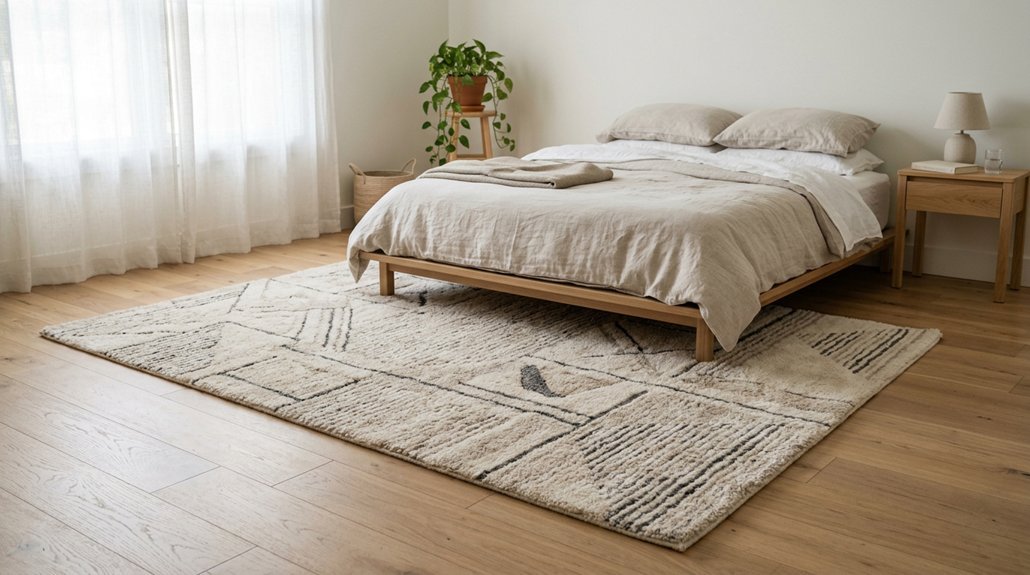


You want a bedroom that feels pulled together, not pieced together. The right rug placement does exactly that: it anchors your bed, softens your mornings, and makes the whole room feel intentional. But get it wrong, and you will trip over edges or stare at awkward gaps every single day. Here are three practical tips to nail your layout without the guesswork.
Choose the Right Rug Size for Bedroom Placement
Rug size is the make-or-break detail that turns your bedroom from cluttered to cozy.
Quick Sizing Shortcuts
Start with an 8 x 10 ft Area Rug for a queen bed, or 9 x 12 ft for a king. Then measure your exact bed footprint and fine-tune from there.
The 2/3 Rule****
Your bedroom rug should extend under the bottom two-thirds of the bed. This creates a grounded, intentional look without swallowing your floor space.
Overhang and Spacing
Aim for 18–24 inches of rug showing on each side. Keep a few inches between the rug edge and your nightstands unless you’re going fully luxe, a larger rug that encompasses the bed plus nightstands needs 12 x 15 ft or bigger.
Round Rugs
Center one under the lower half of the bed. Choose 8–9 ft for queen, 10 ft+ for king, so the curve feels purposeful, not accidental.
Recommended Products

Neutral Abstract Rug: This 8'×10' rug features a distressed abstract design in subtle tones, adding a modern, artistic touch to your space. It blends effortlessly with any home style, instantly enhancing your living room, bedroom, dining area, or office

MACHINE WASHABLE RUG: Designed for modern homes, this washable 8x10 rug features a stain-resistant surface that helps protect against spills, pet accidents, and daily messes. Allowing quick spot cleaning for everyday spills before washing. Simply machine wash with cold water for easy maintenance. For larger sizes (6x9 and above), use a commercial washer. The quick-drying fabric helps restore your rug faster while keeping colors vibrant wash after wash

Pet-friendly and slip-resistant surface: This area rug has a simple color and a luxurious feel. By using our pet-friendly and easy-to-clean carpet, you can enjoy a better time at home. This design adds a soft and luxurious element to your home, and is very suitable for use as a bedroom carpet, perfectly matching family life.
Position Your Rug to Frame the Bed Base
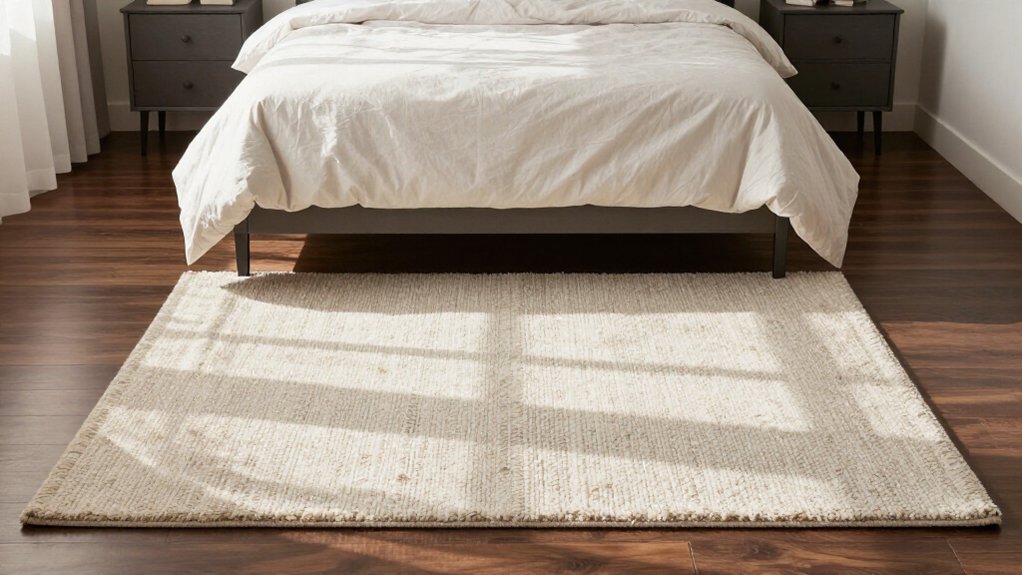
Anchor your bedroom design by sliding the rug under the bottom third to two-thirds of your bed frame. This rug placement grounds your space and creates a polished, intentional look.
When your bed is positioned correctly, the rug frames the entire bed grouping, including nightstands, rather than floating awkwardly in the middle. You’ll want 18–24 inches of rug showing on each side with a few inches of breathing room from your nightstands.
For sizing, grab an 8′ x 10′ rug for a queen bed or a 9′ x 12′ for a king. If you’re tight on space, try a round rug at least 10′ wide centered around the foot of the bed. It softens the room without cutting corners.
Keep the rug edge clear of walls and furniture legs for the cleanest effect.
Recommended Products

Elegant Farmhouse Floral Rug: Inspired by vintage botanical artistry, this carpet features rich hues and intricate floral detailing. It pairs beautifully with boho, traditional, modern, and farmhouse decor, bringing a welcoming touch to your living room, bedroom, dining room, kids’ room, or home office

PET FRIENDLY & NON-SLIP BACKING-9x12 area rugs featuring simple of colors while promising a luxurious feel underfoot. The blend of a hexagon pattern and a stylish design. Non-slip TPR backing makes the covering for bringing your space together. Make the most of your time at home with our pet-friendly and easy-to-clean area rugs. Elevate the floors of your home with this show-stopping and detailed rug

Ultra Soft area rug: Sink into plush comfort with a 1.7-inch high-pile, delivering cloud-like softness ideal for relaxation in your living room or bedroom.
How Much Rug Should Show Around Your Bed?
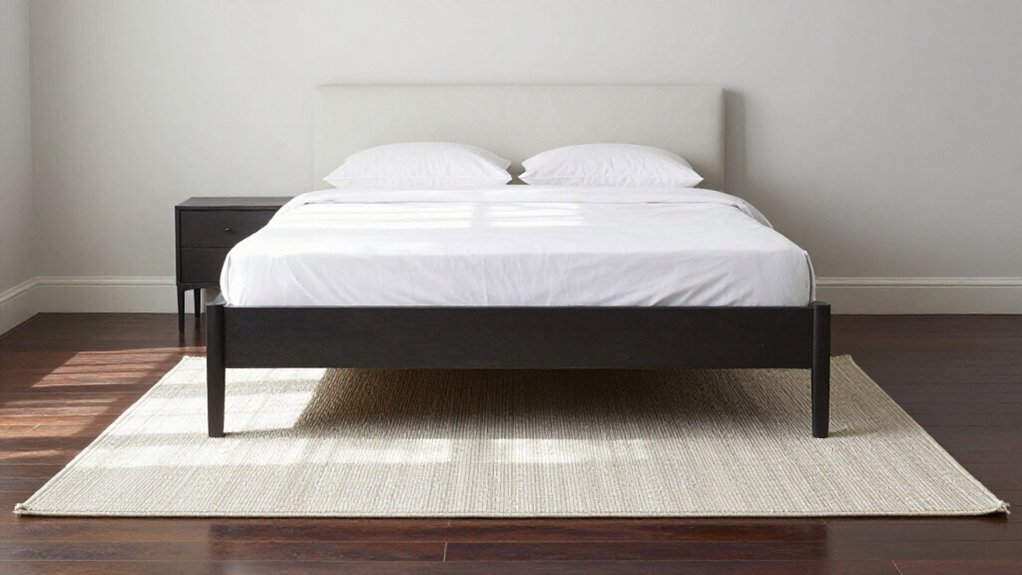
Since you want your rug to look intentional rather than lost, you’ll need to pay attention to how much floor space it actually covers around your bed. The bottom two-thirds rule helps you nail this balance: your rug should extend under roughly the lower two-thirds of the bed so it feels anchored, not floating.
For a queen bed, grab an 8×10 rug. This typically gives you 18–24 inches of rug showing on each side of the bed. Have a king? Size up to a 9×12 for that same proportional overhang.
Keep a small gap between your rug edge and nightstands. This breathing room prevents the rug from feeling cramped or visually shrunken.
Check your coverage with these quick tips:
- Aim for at least one-third of the bed base on the rug
- Target up to two-thirds for the most cohesive look
- Measure 18–24 inches past each side of the bed
- Leave a few inches between rug and nightstand legs
Recommended Products
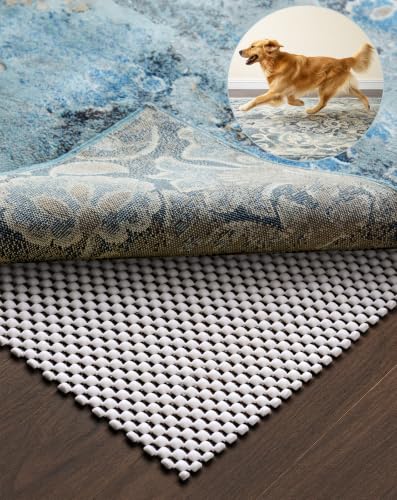
Non-slip Protection: Our pad's signature grip keeps rugs securely in place, preventing bunching and sliding during daily use. It also protects your floors from wear and tear, including damage from high heels, children at play, and more.
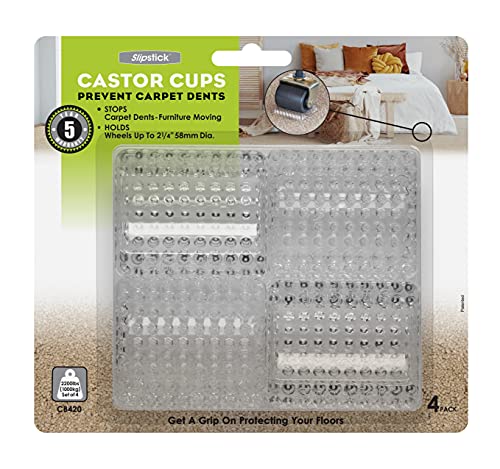
Prevents furniture carpet dents - these carpet caster cups keep furniture wheels and furniture legs from sinking into, denting, and damaging carpeting or rugs. Great carpet protecting caster cups for bed rollers/wheels, caster wheels, chairs, pianos, endtables, console tables, and more.

FREES THE ADJACENT OUTLET FITS IN TIGHT WALL CLEARANCES: The angled plug exits at 45° and lies flat against the wall plate, leaving the second outlet on a standard duplex receptacle completely open. Slots into the narrow gap behind nightstands, sofas, bookshelves, refrigerators, and AV cabinets where standard right-angle or straight plugs create a bulge or block a neighboring port.
Should Nightstands Sit on the Rug?
Whether you’re arranging a new bedroom or revitalizing your current setup, you’ve probably wondered if your nightstands should park on top of the rug or stay off it.
You’ve got two solid paths here, and both work when you do them right.
Put Nightstands ON the Rug
If your rug is large enough to anchor the whole bed grouping comfortably, go ahead. This creates a polished, intentional look that ties everything together, especially in spacious rooms with oversized rugs.
Keep Nightstands OFF the Rug
When your rug only covers the bottom third to two-thirds of the bed, leave the nightstands slightly off. This preserves that warm, cozy walking area you’re after. Just maintain a small gap, a few inches between the rug edge and your nightstands, so it looks deliberate rather than accidental.
Either way, aim for roughly 700mm spacing between furniture edges to keep things feeling cohesive.
Recommended Products

Effortless Maintenance & Machine Washable: This durable 10ft round area rug is designed for high-traffic spaces like living room, dining room table, playroom and bedroom. Easily refresh with regular vacuuming or machine wash for deep cleaning—stays vibrant through everyday use

WASHABLE AREA RUGS: Worried about stains and difficulty in cleaning? Our washable rug is easy to clean and machine washable. Daily cleaning, wiping and sweeping robots are enough. For deep cleaning, just throw it into the washing machine
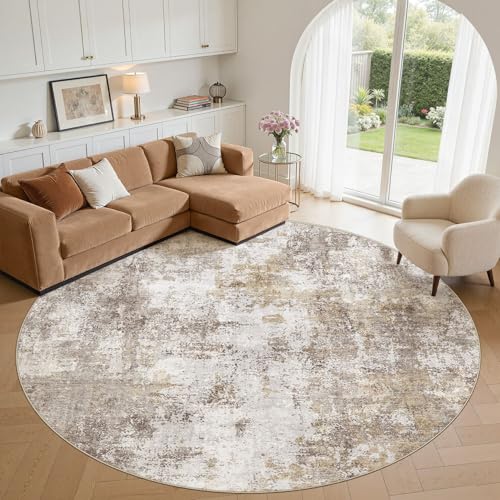
【Pet & Kid Friendly】10x10 area rugs made from OEKO-TEX certified, skin friendly materials, it’s ideal for homes with kids and pets. Featuring an ultra soft, 0.25" low pile construction, 10x10 rugs for living room provides cloud like comfort underfoot and is engineered to be non shedding and silky smooth for a truly premium barefoot experience.
Use Angled or Round Rugs for Awkward Bedroom Placement
When your bedroom layout feels off, angled or round rugs can soften sharp lines and maximize tight corners without forcing a rigid setup. You’ll create visual flow by breaking up straight edges and working with awkward angles rather than against them. These shapes let you anchor the room naturally, even when walls, doors, or furniture throw off perfect symmetry.
Recommended Products

Soft material: The grey plush rug runner made of soft high fluff which give you a soft and comfortable touch, Without smells and shedding, you can have a rest even sleep on it, Also the soft fluffy material is friendly for your kids or little pets

【 PAGISOFE Modern Area Rug 】The fluffy rug provides soft and comfortable touch which makes you feel like walking and lying on the clouds.Your pets and kids will love to move around on this carpet, which has a 30% thicker foam pad and a 1.5-inch pile surface. The shag rug are perfect addition to your favorite space.The high pile provides a soft and comfortable touch, whether you are standing or sitting on this large area rug, you can relieve the fatigue of your day.

Ultra soft bedroom rug: This bedroom rug is made from fluffy faux velvet and high density foam, which is super shaggy and supple, it also has strong toughness, creating a comfortable area for kids and your family, keeping toes safe from cold floors
Softening Sharp Lines
Awkward bedroom layouts don’t have to fight you. You can tame sharp corners and uneven walls by softening sharp lines with smart rug choices that work with your space, not against it.
Consider using angled rectangular rug placement when your bed sits off-center. Rotate it slightly to visually connect your bed and surrounding furniture while keeping walkways open. This trick joins pieces together without forcing perfect alignment.
Round rugs offer another escape from rigid geometry. In tight or L-shaped rooms, center one under the bottom half or third of your bed. The continuous curve replaces harsh corners with a gentler flow.
- Rotate a rectangular rug slightly to bridge gaps between off-center beds and furniture
- Slide a round rug under the lower two-thirds of the bed to replace sharp angles with curves
- Keep the rug’s curve visible by avoiding nightstands that block the bottom corners
- Apply the “legs rule”: place all front furniture legs on the rug, or keep the whole bed grouping on it
Test two or three placements before committing. You’ll quickly see which angle or curve dissolves that boxed-in feeling.
Maximizing Tight Corners
In tight corners, you’re working with limited floor space that doesn’t always cooperate with standard rectangular layouts.
Try an Angled Rug
Rotate a rectangular rug slightly instead of forcing it parallel to walls. This angled rug follows your room’s shape, keeps your walking path clear, and still anchors your bed where you need it.
Go Round for Tight Spots
When straight edges bump into corners or access routes, grab a round rug. Center it around the bottom third or half of your bed for a softer fit that skips awkward sharp corners. Size up to at least 10 feet for king beds or 8–9 feet for queens so the curve flows uninterrupted.
Nail the Bed-Rug Overlap
Even with angled or round shapes, aim for the bottom two-thirds of your bed on the rug. Keep furniture placement consistent: either all legs or just front legs on the rug, avoiding mid-leg confusion that looks messy.
Creating Visual Flow
Because your bedroom doesn’t follow a perfect box shape, you’ve got to get creative with rug placement. An angled rug placement builds a visual bubble around your bed while keeping traffic paths clear. Test horizontal, vertical, and angled positions before you commit. When centering feels impossible, prioritize balance over strict symmetry. You can place the rug front-first under the bed to keep your main seating area grounded.
Round or organic rugs work wonders when corners feel disruptive or your bed fights the room’s architecture. Curved edges soften harsh angles and break up awkward lines.
- Angle the rug to create flow around irregular walls
- Test all three orientations before finalizing placement
- Use curves to interrupt disruptive corner lines
- Position round rugs under the bottom half of the bed, avoiding blocked curves
Keep your bed rule handy: extend the rug under roughly the bottom two-thirds for a solid visual anchor.
Fix These Bedroom Rug Placement Mistakes
Even the best-looking rug can throw off your whole bedroom if you place it wrong. You waste floor space and visual balance when you pick a too-small size. Follow the 2/3 rule: your best rug should reach under roughly the bottom two-thirds of the bed. For a queen, grab an 8×10; for a king, go 9×12. This stops that awkward “floating” look.
Watch your centering, too. Anchor the rug to your bed grouping, leaving a few inches between the edge and your nightstands. Don’t let corners break a round rug’s curve; center it under the bottom half or third of the bed.
Pull the rug outward from the foot to create a warm walking zone. Never tuck it randomly just to fill space. Let it anchor your bed as the room’s main island.
Recommended Products

Soft Area Rug: This 8'x10' area rug features chic, faded floral motifs in a vintage color palette.Blending retro, flowers and boho styles, it complements any décor. A sturdy, easy‑clean synthetic rug, it’s luxuriously soft—perfect for barefoot comfort

Soft Faux Cashmere for Everyday Comfort: Made with a 280GSM faux cashmere velvet surface, this 8'x10' large area rug feels smooth and cozy under bare feet for daily routines, quiet lounging, family time, or pets resting nearby

CLASSIC VINTAGE AESTHETIC BEIGE RUG: The area rug 8x10 features a harmonious blend of beige tones that evoke a timeless vintage charm, making it an ideal addition for any room in your home—from retro bohemian and rustic farmhouse to modern minimalism. Perfect rugs for living room, bedrooms, dining room rugs for under table, entryways, playrooms, or home offices, this 8x10 rug serves as the finishing touch to your interior flooring decor
Place Rugs That Complement: Not Fight: Your Bedding
Your rug and bedding should work together like teammates, not rivals. You want them to feel connected, not chaotic.
- Choose a rug tone that supports your bedding’s undertones: if your bedspread reads warm, soft beige or cool greys work better than competing saturated hues.
- Use texture as a bridge: plush, woven rugs soften busy patterns, while lower-pile options add crispness.
- Follow the 2/3 rule so at least the bottom two-thirds of your bed sits on the rug, creating a steady base that makes bedding colors look intentional.
- Leave breathing room between the rug edge and nightstands to prevent harsh color breaks.
If conflict worries you, test a round rug centered under the lower third of the bed. This softens hard edges and reduces visual clash. For your seating arrangement, the best side placement lets the rug anchor both bed and any nearby chair. Ultimately, the rug is best when it quietly elevates everything around it.
Recommended Products

MACHINE WASHABLE: You can toss this lightweight rug into the washing machine for a quick wash with cold water and then dry it without heat, and it comes out just as good as new. Washable rugs are geared to make your life easier especially if you have children or cats and a dog

Traditional Vintage Design: Featuring a softly faded, vintage-inspired pattern, this area rug brings classic style and decorative appeal to your home. A versatile choice for the living room, bedroom, dining room, office, nursery, or entryway

Soft Rugs for Living Room: Made of 100% polyester with low pile, immerse your feet in softness. You can read on the floor rug, work or take a nap, and enjoy leisure time

I am Đinh Ai Nguyễn, a content writer at SoftAuraHome.com. For me, home is more than just a place to live. It is where we recover from long days, hold our quiet moments, and create the atmosphere that shapes how we feel. That belief is one of the biggest reasons I wanted to be part of this blog. I started writing about home decor because I have always been drawn to spaces that feel soft, peaceful, and emotionally grounding. I believe a calm room can do more than look beautiful. It can bring comfort, restore energy, and help people feel more connected to themselves and the life they are building. Through Soft Aura Home, I want to share ideas that are not only visually inspiring, but also meaningful in everyday life. With experience in SEO writing and niche content publishing, I understand how to create articles that are clear, useful, and easy to discover. But beyond strategy, I care deeply about how a piece of content makes someone feel. Every article I write is created with the hope of helping readers shape homes that feel gentle, personal, and full of quiet warmth.
Follow on Facebook