



Like a price tag hiding under a slipcover, the real cost of sofa reupholstery isn’t always what you first see. You’re probably staring at a tired couch and wondering if fixing it up makes sense, or if you should just start fresh. The answer depends on a handful of choices you’ll need to make, and some of them can swing your total by hundreds of dollars. Here’s what actually drives the price, so you can decide with confidence.
Typical Sofa Reupholstery Costs: $600–$2,000 Breakdown
Most sofa reupholstery projects land between $600 and $2,000, though your final bill depends on size, fabric, and how much fixing the frame needs.
Reupholstering a sofa typically runs $600–$2,000, depending on size, fabric choice, and any needed frame repairs.
What Drives Your Total
Reupholstery costs split into two main buckets: materials and labor. Fabric usually eats the biggest chunk. You’ll need roughly 12–20 yards for a standard couch, and prices swing wildly from budget options at $15 per yard to premium choices hitting $70 or more. That range alone can shift your average cost to reupholster by hundreds.
Labor runs about $60–$100 per hour, with most Couch Reupholstery jobs taking 5–25 hours. Simple refreshes stay lean, but structural repairs, spring reties, or frame fixes push you toward that $2,000 ceiling. Pick your fabric wisely, and you’ll control the budget without surprises.
Recommended Products

MATERIAL: 100% polyester No stretch,57 inch wide x 2 yards long and is perfect for upholstery couch chair, medium weight velvet fabric

Premium faux linen look & feel: Made from thick durable 100% polyester with a woven linen-look texture, this fabric has a substantial, tailored feel without being stiff, for chairs, sofas, cushions that complement a wide range of home decor styles

DURABLE MATERIAL - Piping trim is made of polyester material and cotton piping cording, durable and wear-resistant, not easy to fade, and resistant to wrinkles, preserving the shape and appearance of your project through repeated cleaning
How Sofa Size and Type Affect Your Price
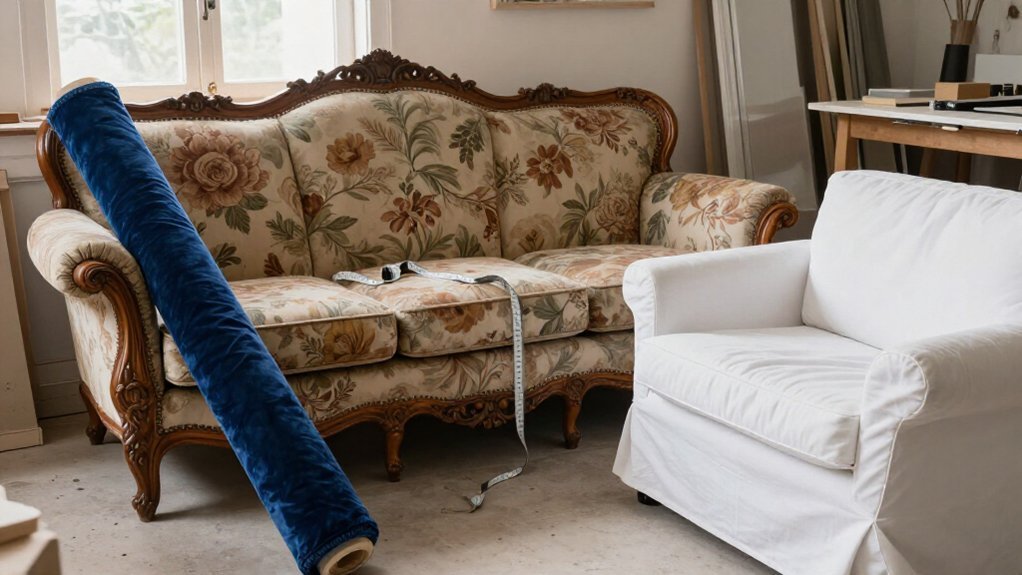
You’ll notice your bill climbs as your sofa grows. A standard three-seat sofa typically runs $900–$2,500, while large sectionals can hit $2,000–$4,500+ because they need more fabric and labor. Sleeper sofas add another $200–$500 since mechanics and extra construction details take more time to handle.
Recommended Products

【Couch Spring Repair Kit】All-In-One Include: 4 sinuous springs (25.5”×2”), 20ft/2mm stay wire, 10 spring clips, 20 wire clips, and 40 self-tapping screws, Heavy Duty Upholstery Replacement Parts for Sagging Couch Recliner Car Seat

The high elastic webbing band is made of high grade rubber threads and woven with high density polyester fibers that produces high elasticity and strong bearing capacity.

RESTORE YOUR OLD FURNITURE DIY-STYLE: Each roll provides you with 40 feet of durable upholstery straps for all of your reupholster projects. The quality of the upholstery strapping is commercial-grade, very similar to the kind found at any repair shop, but for a fraction of the cost (and wait time).
Standard Three-Seat Sofas
If you’re reupholstering a standard three-seat sofa, you’re looking at one of the most common projects in the furniture world.
What You’ll Pay
Reupholstery for this size sofa typically runs $900–$2,500. Suburban markets often quote $1,000–$2,000, while NYC, SF, and LA may charge $1,600–$3,000+ for comparable work.
What Drives Your Cost
You’ll need about 12–20 yards of fabric. Budget options cost $15–$30 per yard, mid-range runs $30–$70, and premium choices push your total higher.
Details matter: welting, tufting, skirts, or nailhead trim add labor hours and raise your quote.
Watch for Extras
Structural fixes, like spring retie ($150–$400) or frame repair ($100–$350), can bump you toward the upper range. Ask your upholsterer to inspect the frame before quoting.
Large Sectional Pricing
Because sectionals take up more space, they’re naturally going to cost more to reupholster than a standard sofa. When you Reupholster A Couch like a sectional sofa, you’re looking at large sectional pricing that typically runs $2,000–$4,500+.
Here’s what drives your price:
- Size and pieces: Most sectionals need 28–45 yards of fabric across 2–3 connected pieces.
- Your location: Urban areas often hit $3,000+, while smaller cities may see costs as low as $2,000–$3,000.
- Extra details: Complicated shapes, loose cushions, skirts, or piping add labor time.
- Fabric choice: With 28–45 yards needed, your per-yard price ($10–$350) dominates the total.
Plan for more material, more labor, and more money than a standard three-seater.
Sleeper Sofa Additions
Sleeper sofas add a twist to standard reupholstery pricing. When you Reupholster a sofa bed, expect to pay for a similar-size sofa plus $200–$500 extra. That covers the added labor and complexity of working around the pull-out mechanism.
Larger sleeper models, like deep 3–4 seat styles, typically run $1,200–$3,000. You’re buying 12–20 yards of fabric, sometimes more. Sectional-style sleepers can hit $2,000–$4,500+, especially with multiple modular pieces.
Your materials used drive costs too. Fabric ranges $10–$350 per yard, and bigger frames need more yardage. Extra details such as piping, welting, or tufting around the mechanism add per hour labor time, pushing your total toward the higher end.
Why Fabric Choice Makes or Breaks Your Total
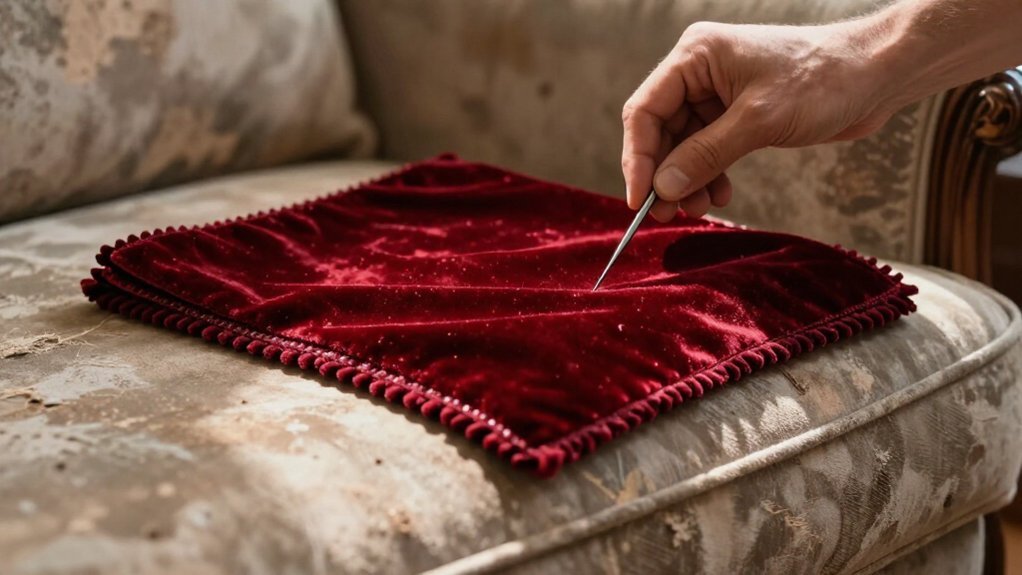
When you’re planning to reupholster a sofa, the fabric you pick will likely eat up the biggest chunk of your budget. The fabric you choose affects everything from upfront price to how long your sofa lasts. Here’s what to weigh:
- Yardage needs: You’ll need 12–20 yards for a standard sofa. A bold pattern demands extra fabric to match lines, while solids save material.
- Price spread: Budget fabrics run $8–$18 per yard, mid-range hits $25–$50, and luxury options top $100. Jumping from $25 to $65 yardage on 16 yards adds $640 before labor even starts.
- Labor stays steady: Since pros charge $40–$100 per hour separately, pricier cloth won’t raise their time, but it inflates your total quote fast.
- Long-term value: Spending more on durable, performance-grade material now can stretch your new couch’s life and trim replacement costs per year down the road.
Recommended Products

Versatile Fastening Tool - YEAHOME 4-in-1 Staple Gun accepts D-shaped, U-shaped, T-shaped, and Pin Staples. This kit comes with 1000pcs of each " D-Type, " T-Type, " U-Type , and " Pin Brad Nails for a wide variety of applications: general DIY repairs, crafting, decorating, upholstery projects, roofing, and more.
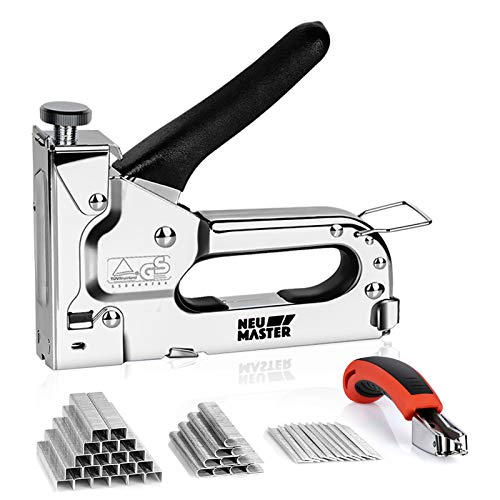
ALL-STEEL CONSTRUCTION & ERGONOMIC GRIP – Built with a durable chrome-plated steel body for long-lasting rust resistance. The rubberized, non-slip handle reduces hand fatigue and delivers a secure, comfortable grip during extended use.

3-in-1 Application : It fits 3 kinds of different staples/nails such as D type staples, U type staples and T type nails; It's suitable for general models: T50, T18, Brad nail gauge 18
Frame Repairs and Design Details That Inflate Costs
Even if your fabric is perfect, an old frame can throw your whole budget off track. Solid wood frames last decades, but you might face frame and joint issues that need fixing before new fabric goes on. Loose or cracked wood, plus needed reinforcement, commonly adds about $100–$350. Spring retie or replacement often runs $150–$400.
Complex design details also hike your cost. Tufting, attached back cushions, multiple loose cushions, skirts, and welting all demand extra labor time. Professional upholsterers typically charge roughly $40–$100 per hour, so these details add up fast.
Do not forget the foundation. Replacing webbing or support straps usually costs $75–$200. When you pair frame repairs with expensive fabrics and intricate designs, you quickly shift from a simple recover to a much bigger project.
Recommended Products

【Secure attachment】-Upholstery Spring Clips provide 4 separate holes for screws, nails, or staples to securely attach zig zag sinuous no sag springs to wood frames of upholstery furniture.

【High-quality material】 Iron + Fully plastic coated,It can be a good silencing.no splicing, stronger and longer service life.

Package Contents: This all-in-one sofa spring repair kit gives you 50 feet of 9-gauge paper-wrapped stay wire, 120 durable spring clips—something you need to get the job done right.
Surprise Costs: Delivery, Foam, and Labor Upcharges
You’ve probably budgeted for fabric and labor, but reupholstery bills have a way of sneaking in extras you didn’t expect.
- Delivery and pickup adds $75–$250 round-trip, which can push your total higher even when the labor quote looks average per year.
- New foam or padding runs $40–$120 per seat cushion and $30–$100+ for backs. You might Save Money upfront with cheaper foam, but it won’t last as long.
- Labor upcharges hit when detailing gets complex. Piping, welting, or intricate arms add hours at $60–$120 per hour.
- Hidden structural work, like spring repairs ($150–$400) or frame fixes (+$100–$350), can make you wonder if Buying a New sofa makes more sense.
Ask for line-item quotes so nothing catches you off guard.
Recommended Products

1.STRUDY DURABILITY & PREMIUM WEIGHT: Our chenille fabric is engineered to be thicker, denser, and more substantial than standard options. This heavyweight construction ensures exceptional resistance to wear, sagging, and wrinkles, providing a luxurious, full-bodied drape that elevates any project from ordinary to outstanding.

1.STRUDY DURABILITY & PREMIUM WEIGHT: Our chenille fabric is engineered to be thicker, denser, and more substantial than standard options. This heavyweight construction ensures exceptional resistance to wear, sagging, and wrinkles, providing a luxurious, full-bodied drape that elevates any project from ordinary to outstanding.

【Premium Chenille Quality】Crafted from high-density chenille upholstery fabric with a plush, velvety texture. It offers a soft and inviting touch while maintaining good resilience for everyday use.
Timeline: How Long Reupholstery Really Takes
You’ll want to know how long your sofa will be out of the house before you commit to reupholstery. Standard turnaround times range from a few weeks to a couple of months, depending on the shop’s schedule and your project’s complexity. Several factors affect duration, so let’s break down what stretches or shrinks your timeline.
Recommended Products

PROFESSIONAL - Create beautiful straight edges around your workpiece wherever fabric needs to be attached without staples being visible. Tack strip is commonly used to upholster the arms and the top edge of the outer back fabric.

Suitable for upholstery, chairs, tablecloth, couch, pillows and seat, sofa, reupholstery

PROFESSIONAL FINISHED LOOK: Restore sofas, chairs, ottomans, and box springs with a clean, polished appearance using this cambric dust cover fabric. Perfect for hiding webbing, springs, frames, and staples so furniture looks neat, finished, and professionally repaired
Standard Turnaround Times
Once you’ve chosen your fabric and dropped off your sofa, you’re probably wondering when you’ll get it back. Most standard 3-seat couch reupholstery takes a few weeks from start to finish, though actual labor runs about 5 to 25 hours depending on size and condition. You’re paying not just for Much Does It Cost considerations, but for skilled hands moving through cutting, sewing, and finishing. If you’re comparing against new sofas, remember reupholstery often takes longer upfront but delivers custom results.
Here’s what shapes your wait:
- Labor intensity: Complex designs need more shop hours
- Material delays: performance fabric or specialty orders slow things down
- Structural fixes: spring work or frame repairs add days
- Seasonal demand: fall holidays create backlogs
Plan ahead, especially when ordering 12–20 yards of upholstery fabric.
Factors Affecting Duration
Because every sofa wears differently, your timeline depends on what’s hiding underneath the old fabric. Once you strip away that worn material, you might discover damaged foam, broken springs, or rotted webbing that needs fixing before new fabric goes on.
What stretches your schedule:
- Size and style: A compact loveseat is cheaper to reupholster and faster to finish than a sprawling sectional with curved arms.
- Type of fabric: Patterned material requires careful matching at seams, adding cutting and sewing time.
- Design details: Tufting, nailhead trim, welting, or multiple loose cushions each demand extra labor hours.
- Internal repairs: Replacing seat foam, back filling, or retieing springs rebuilds comfort but extends shop time.
Even straightforward projects face delays from booking backlogs, so plan ahead when scheduling your piece.
Should You Reupholster or Just Buy New?
Whether you’re staring at a worn-out couch or just tired of the fabric, deciding between reupholstery and buying new comes down to what you’ve got and what you’re willing to spend. Compare new sofa costs against reupholstery quotes to see which path makes sense for you. Reupholstery can save you money if your frame is solid and comfortable. It also preserves sentimental value when you’ve owned the piece for years. Consider these factors:
Reupholster when the frame is solid and the memories run deep; buy new when both are wearing thin.
- Frame quality: Reupholster if it’s sturdy; buy new if it’s breaking down
- Long-term value: High-end sofas cost far more to replace than recover
- Total estimates: Watch for fabric, labor, and repairs adding up fast
- Personal attachment: Sometimes keeping what you love beats shopping around
Pick what fits your budget and your couch’s condition.
Recommended Products

Non-sag springs with high resilience chrome for added durability, designed for furniture upholstery, sofas, chairs, recliners, dining chairs, and even automotive seats
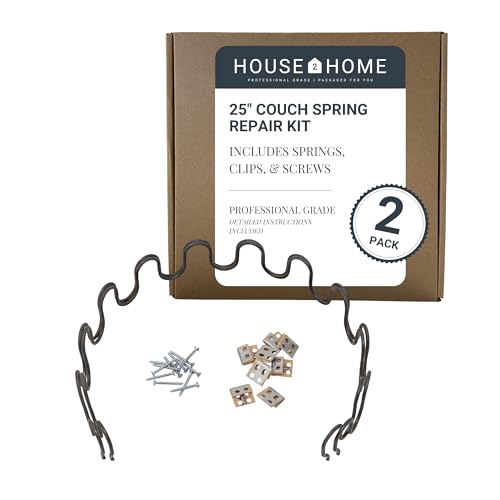
REPAIR SET - Whether you are working on a new upholstery project or just looking to fix a seat on an antique sofa or chair, this sinuous spring repair set includes the basic parts you'll need. It includes 2 no sag springs, 8 spring mounting clips (s-clips), 16 screws, and step-by-step instructions for installation

Nordic style faux cotton and hemp fabric, Slub knot pattern weaving, Simple lines allow you to easily enjoy the rhythm of life!
5 Ways to Lower Costs Without Sacrificing Quality
If you’re looking to save money on reupholstery without cutting corners, you’ve got more control than you might think.
Get multiple quotes. Compare 2–3 detailed estimates, since typical U.S. costs run $900–$2,500 for a standard 3-seat sofa. A lower number often means fewer repairs or a cheaper fabric/foam plan.
Pick your fabric wisely. The fabric you choose drives most of your bill. Budget options run $15–$30/yard; mid-range hits $30–$70/yard. Jumping from $25 to $65/yard on ~16 yards adds roughly $640 before labor.
Simplify the design. Choose solids or small patterns with fewer seams. Skip piping, welting, tufting, or nailhead trim, which boost labor time and totals.
Recover instead of rebuild. When your frame and springs are sound, replace only worn cushions rather than paying $150–$400 for spring work or $100–$350 for frame fixes.
Stay flexible. Ask about in-stock fabric discounts and handle pickup/delivery yourself to dodge the $75–$250 round-trip fee.
Make your decision with confidence; these moves keep quality high and spending in check.
Recommended Products
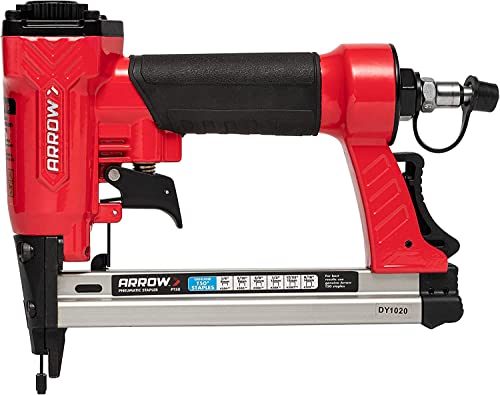
READY FOR ACTION: The PT50 Pneumatic Staple Gun is great for household projects, like insulation, house wrap, roofing, flooring, or upholstery; This tool is great for large projects and stapling into harder materials

🌸[Included 1600pcs JT21 Staples]This upholstery staple gun perfectly fits of JT21 staples, 400pcs*1/4”(6mm), 800pcs*5/16”(8mm), 400pcs*3/8”(10mm) which is equivallent to NO.53. All the staples are made of premium steel, enough to meet most of your needs. No need for additional stops at the store for nail supplies.

T50-FIRST FASTENING FOR EVERYDAY PROJECTS — T50 staples are the primary fastening function; 1/2 in. T50 staples are recommended for upholstery, fabric, foam, canvas, cardboard and thin softwood. Use 18GA brad nails up to 9/16 in. as a secondary option for light trim, picture frames and small finishing details.

I am Đinh Ai Nguyễn, a content writer at SoftAuraHome.com. For me, home is more than just a place to live. It is where we recover from long days, hold our quiet moments, and create the atmosphere that shapes how we feel. That belief is one of the biggest reasons I wanted to be part of this blog. I started writing about home decor because I have always been drawn to spaces that feel soft, peaceful, and emotionally grounding. I believe a calm room can do more than look beautiful. It can bring comfort, restore energy, and help people feel more connected to themselves and the life they are building. Through Soft Aura Home, I want to share ideas that are not only visually inspiring, but also meaningful in everyday life. With experience in SEO writing and niche content publishing, I understand how to create articles that are clear, useful, and easy to discover. But beyond strategy, I care deeply about how a piece of content makes someone feel. Every article I write is created with the hope of helping readers shape homes that feel gentle, personal, and full of quiet warmth.
Follow on Facebook