
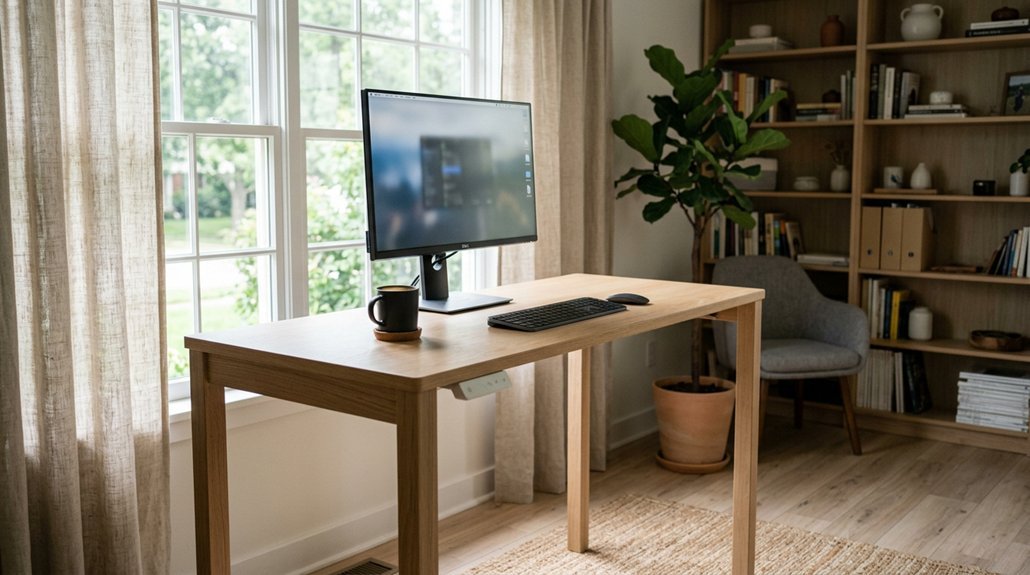


Did you know that sitting for more than eight hours a day raises your risk of early death by up to 15%? You’re probably wondering if a standing desk can actually help. The research looks promising, and it might change how you think about your daily routine. Here’s what science says about five real benefits you could see.
Do Standing Desks Lower Blood Sugar After Meals?
Because blood sugar spikes after meals can leave you feeling sluggish, you might wonder if a standing desk could help. Research suggests it can.
Research suggests standing desks can help counter post-meal blood sugar spikes that leave you feeling sluggish.
In a 2014 study, 10 office workers found that standing for 180 minutes after lunch reduced their post-meal blood glucose spike by 43% compared to sitting. A 2021 trial showed that regular standing desk use improved insulin resistance and fasting triglycerides over 24 weeks. Better blood flow from standing may explain these benefits.
A 2022 study found that alternating between sitting and standing throughout the day also helped control post-meal blood glucose responses. This means you don’t need to stand all day to see results.
While standing desks can reduce blood sugar levels, they’re not a diabetes treatment. Think of them as one tool to support healthier habits while you work at your computer screen.
Recommended Products

CLINICALLY PROVEN ACCURACY: Track and manage your diabetes confidently with our reliable blood glucose monitoring system. Readings that are personalized, HI/LO target ranges, and easy-to-understand summaries of your blood sugar test results (1)

NOTE: After installing the batteries( 2 battery included in the meter.)and while the screen is off, simply insert a test strip to wake the meter—no need to press any buttons.
Can a Standing Desk Reduce Your Blood Pressure?
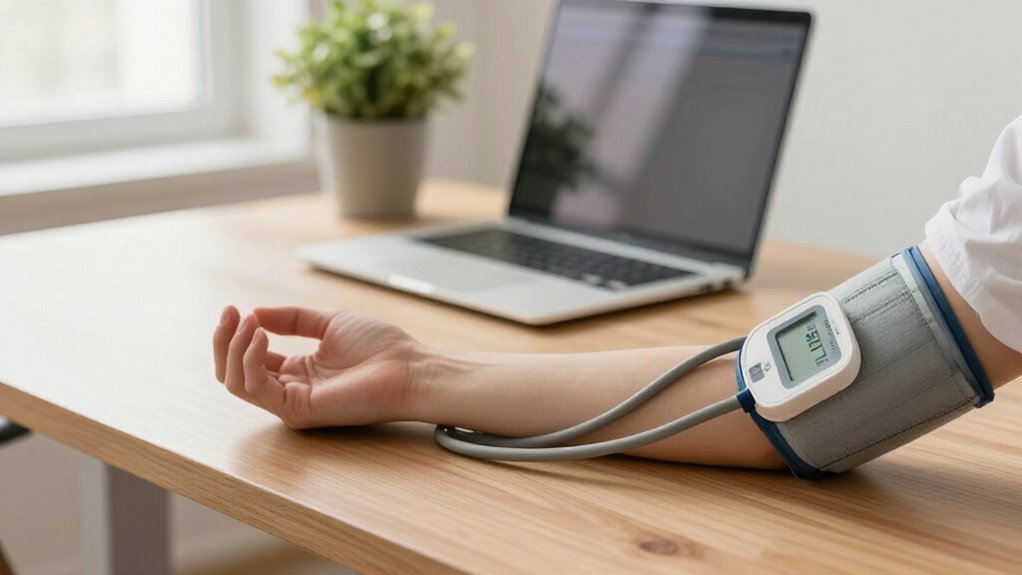
How much could your blood pressure drop just by standing more?
Research from 2024 gives us a promising answer. When 283 older adults used a standing desk, received coaching, and followed fitness-tracker prompts to reduce sitting time, they saw large decreases in systolic blood pressure over six months. That’s the top number in your reading, and it’s what matters most for cardiovascular health.
Here’s what you need to know:
- A sit–stand desk helps you cut prolonged sitting time throughout your day.
- Setting sitting reduction goals works better than hoping you’ll move more.
- Office workers who sit benefit most from structured breaks and prompts.
- Combining your standing desk with physical activity amplifies the effect.
While scientists are still studying exactly why this happens, the evidence is clear: when you reduce sitting time strategically, you support healthier blood pressure.
Recommended Products
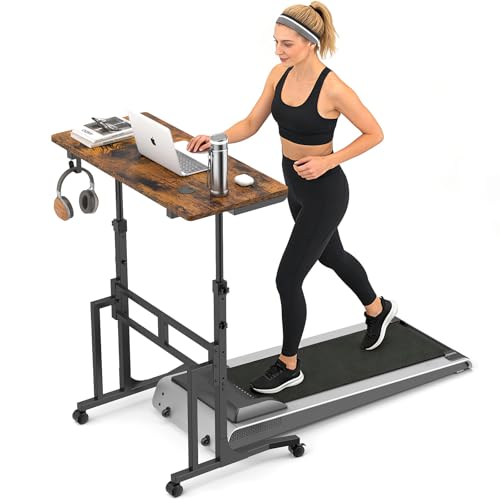
ADJUSTABLE HEIGHT FEATURE: This rolling desk design can be adjusted from 34 to 46.45 in, our indoor bike desk stand is suitable for adults, teens, and children. Whether you're cycling for fitness, working at a treadmill desk, crafting, or switching between sitting and standing postures, its ergonomic design ensures optimal comfort and convenience.

Adjustable Height for Ergonomic Office Comfort: With an adjustable height range from 27.5" to 45.3", this Portable Desk for Walking Pad caters to both sitting and standing positions. The standing - type computer desk, paired with the included phone stand, is designed to encourage proper posture, alleviating back and neck pain and providing a healthier working stance

Extra High Adjustability: Say goodbye to height limits. With six adjustable height settings, our walking desk reaches up to 46.5″, offering a height comparable to electric standing desks, giving you more flexibility and comfort. The minimum height of the walking pad table is 28.3″, providing a perfect range for both seated and standing work.
Will a Standing Desk Help Your Back Pain?
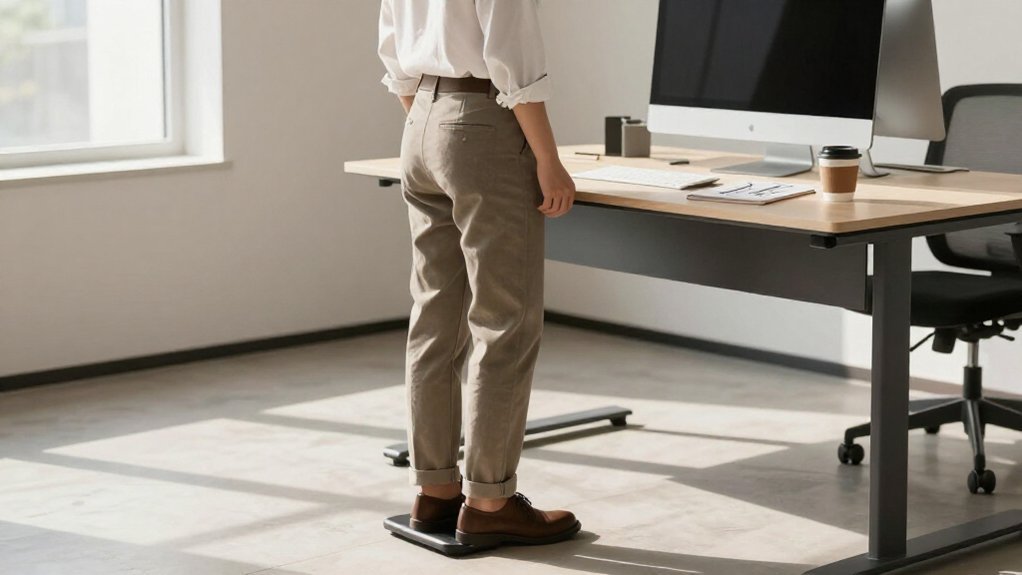
If you’re dealing with back pain, you might wonder whether a standing desk could actually help. Research suggests it can, especially if you’re sitting all day. In one study, Japanese office workers using sit-stand desks cut neck and shoulder discomfort notably over three months. Standing rather than staying seated lets you shift posture more often, which helps reduce strain on your muscles and joints. You don’t need to ditch your chair completely. The real benefit comes from mixing positions throughout the day, not marathon standing sessions. Going “all day standing” can backfire and create new aches in your legs, feet, or back. Use of a standing desk works best when you alternate regularly. For persistent lower back pain, still seek medical advice.
Recommended Products
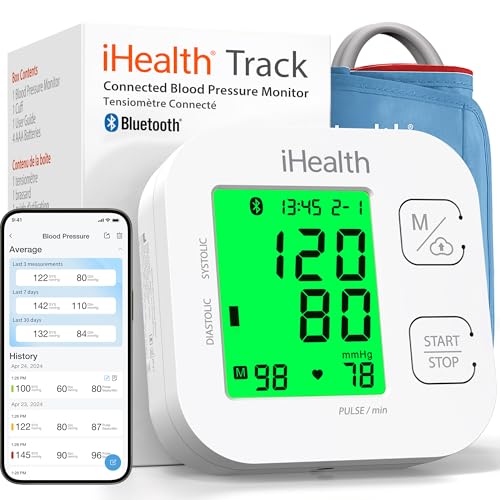
Clinically Accurate: Easy Operation by two buttons, Advanced Accuracy, No Calibration required.
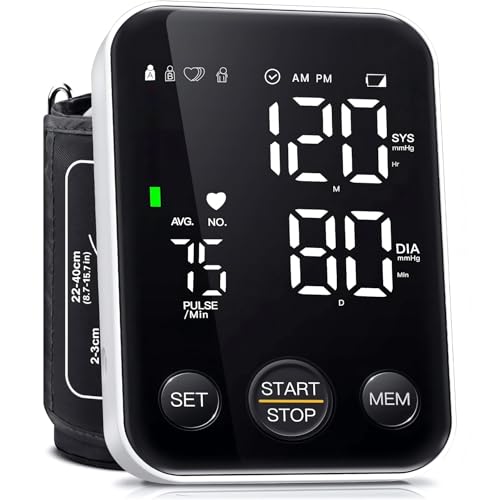
One-Button Design: This Oklar blood pressure monitor features a one-button operation, making measurement easy and convenient; with just a touch, you can quickly take a measurement and get an accurate reading

Great for Home & Office Fitness- Fezibo standing sesk mat is a carefully engineered balance board that offers the perfect combination of stability and movement for the body. While standing on the board, even micro-movements can soothe stiff joints, promote blood circulation in the legs. Keep your legs, core, and body active while working, reading, watching TV, or playing video games. Also you can perform push-ups, squats, planks, and other exercises on it.
Do Standing Desks Improve Mood and Energy?
When you’re stuck sitting all day, it’s easy to feel drained or on edge. Using a standing desk can help you break that cycle and boost your mood and energy.
Here’s what the research shows about standing desk benefits:
- Better mental health: A 2025 review found students using sit–stand desks reported improved mental health outcomes.
- More vigor at work: A 3-month trial with Japanese workers linked standing desks to increased energy and engagement.
- Less fatigue: One study summary notes moderate fatigue reduction with standing-desk use.
- Steadier energy: Standing for two hours after meals increased energy output without blood sugar crashes.
A desk that allows sitting and standing lets you find your rhythm. Start gradually, swapping positions regularly to avoid discomfort. Study after study suggests these health benefits are real, and you’ll likely notice your own energy levels rise.
Recommended Products
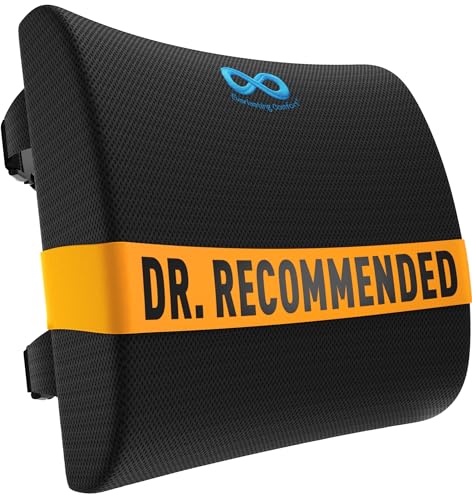
LUMBAR SUPPORT PILLOW FOR CAR OR YOUR OFFICE: Made with high-density memory foam, this desk chair cushion balances firm posture support with long-lasting comfort - not overly hard, not too soft. Engineered to gently support the natural curve of your spine over time - unlike oversized pillows that collapse. Ideal for home offices, gaming sessions, or long commutes, it’s a supportive cushion for anyone who spends long hours sitting in cars, office chairs, couch, or recliner

Health Benefits: Reduces stress and exhaustion that may result from prolonged periods of standing or sitting during work. Prop a foot up to alleviate leg and back tension

Encourages Better Posture Throughout the Day: Designed to promote healthy shoulder positioning and upper back alignment during desk work, studying, driving, commuting, and other daily activities. Gentle support helps reduce slouching while encouraging natural posture awareness instead of forcing rigid correction, making it comfortable for everyday wear
How to Use a Standing Desk Without Getting Hurt
Although standing desks can boost your energy, you’ll want to ease into using one so your body adjusts comfortably. Start with 30–60 minutes of standing per day, then gradually increase. This prevents leg, foot, and back pain.
Set your desk height so your elbows rest near desk level. Keep knees slightly soft, not locked, to reduce back stress. Avoid standing all day; research shows alternating between sitting and standing cuts neck and shoulder pain more effectively.
Use gentle reminders for movement breaks, but don’t overdo it, frequent prompts hurt focus. Choose sitting for detailed tasks like precision typing.
Mastering how to use a standing desk without getting hurt means listening to your body. This office furniture works best when you balance standing and sitting wisely.
Recommended Products

Electric Height Adjustment – Sit or Stand Any Time: Quiet motor (under 52 dB) with memory presets. Easily switch between sitting and standing from 28.3" to 46.5" to help reduce sedentary time

Electric Height Adjustable Standing Desk for Comfortable Work - Switch effortlessly between sitting and standing with this electric standing desk. The smooth height adjustment from 28.35" to 46.46" helps promote a more comfortable working posture and keeps your energy flowing throughout the workday. Ideal for home offices, gaming setups, and productivity workspaces.
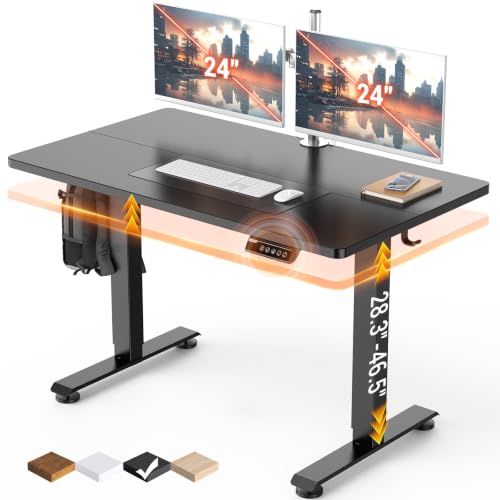
Electric Height Adjustment – Sit or Stand Any Time: Quiet motor (under 52 dB) with memory presets. Easily switch between sitting and standing from 28.3" to 46.5" to help reduce sedentary time

I am Đinh Ai Nguyễn, a content writer at SoftAuraHome.com. For me, home is more than just a place to live. It is where we recover from long days, hold our quiet moments, and create the atmosphere that shapes how we feel. That belief is one of the biggest reasons I wanted to be part of this blog. I started writing about home decor because I have always been drawn to spaces that feel soft, peaceful, and emotionally grounding. I believe a calm room can do more than look beautiful. It can bring comfort, restore energy, and help people feel more connected to themselves and the life they are building. Through Soft Aura Home, I want to share ideas that are not only visually inspiring, but also meaningful in everyday life. With experience in SEO writing and niche content publishing, I understand how to create articles that are clear, useful, and easy to discover. But beyond strategy, I care deeply about how a piece of content makes someone feel. Every article I write is created with the hope of helping readers shape homes that feel gentle, personal, and full of quiet warmth.
Follow on Facebook