
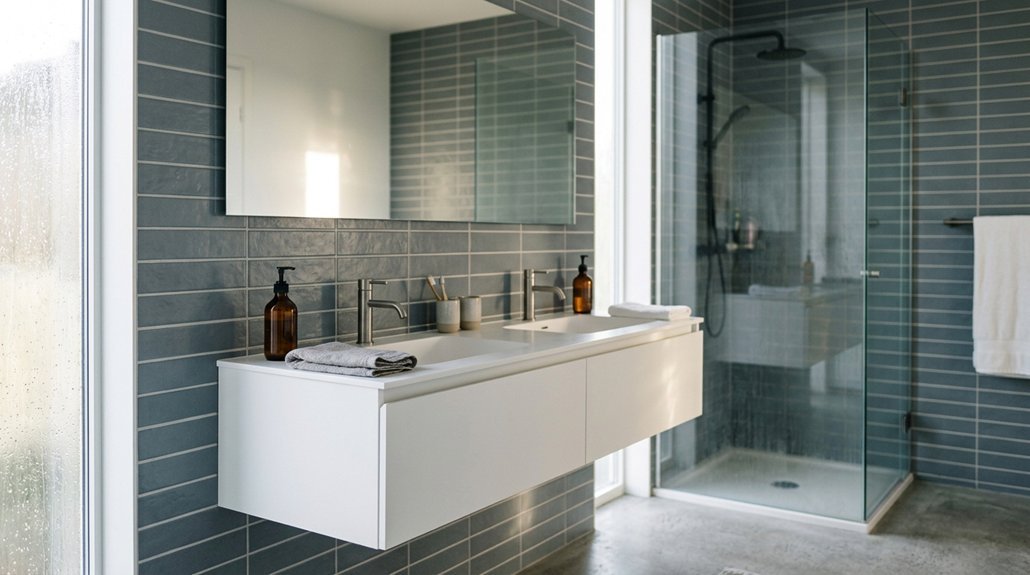


You’re probably wondering what makes a bathroom vanity different from any ordinary cabinet. A vanity is built around a sink and countertop as one unit. It hides messy plumbing while giving you storage for everyday items. You’ll find options in every size, style, and material, but not all work for every bathroom. There’s more to choosing the right one than you might expect.
What Is a Bathroom Vanity? (And How It Differs From a Cabinet)
When you’re redoing your bathroom, you’ll hear “vanity” thrown around a lot, but it’s not just a fancy word for a cabinet.
A vanity isn’t just fancy cabinet talk—it’s the centerpiece hiding your plumbing and tying your whole bathroom together.
What Makes a Bathroom Vanity Different
A Bathroom Vanity combines your sink, vanity countertop, and storage into one unit. Its main job is hiding plumbing so you don’t see pipes hanging out. That sink-and-top combo is what separates it from ordinary cabinets.
Why Terms Get Mixed Up
Retailers sometimes use “vanity” and “cabinet” interchangeably, but there’s a key difference. The vanity cabinet is just the storage base, while “vanity” means the whole setup, sink included.
What Counts as a Vanity
- Vanities and Bathroom setups always include a sink
- Wall-mounted vanities save floor space but still conceal plumbing
- Cabinets without sinks, like linen towers, aren’t vanities
Recommended Products

【Space-Saving All-in-One】:floating vanity with counter top sink, 2 deep drawers & wood grain fluted finish,Marble-patterned wooden countertop - perfect for small bathrooms, saving 30% floor space vs traditional vanities.

Quality and Satisfaction: Product quality and service are always our highest goals. The washbasin and cabinet are packaged in two separate bags. All parts are labeled and come with an installation video for quick and easy assembly
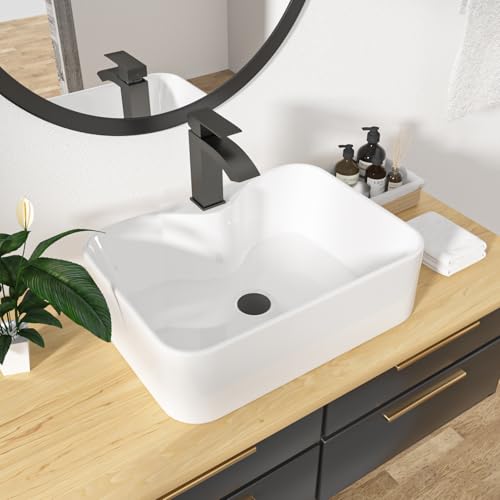
Premium Glaze : This bathroom vessel sink has all corners as humane smooth lines, adding a modern and artistic sense. Interior and exterior smooth, non-porous glaze makes this white bathroom vessel sink more silky and protect the sink surface against stains, making it easy to clean.
What Size Bathroom Vanity Fits Your Space?
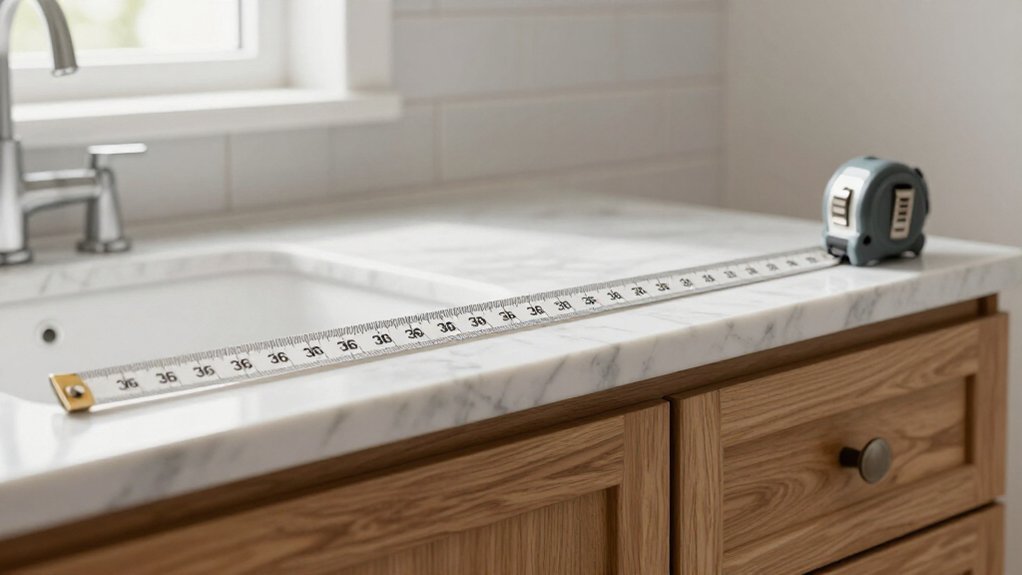
You’ll need to measure your bathroom carefully before picking a vanity, since even a few inches can make the difference between a comfortable fit and a cramped space. Decide whether you’re going with a single sink, which works great in smaller rooms, or a double sink if you’ve got the width and want to share without bumping elbows. Don’t forget to check height and depth too, standard vanities run 30–32 inches tall with depths around 21 inches, though you can go taller or choose a wall-mounted style if you’re tight on floor space.
Recommended Products

【Wall Mount Design】Capturing the style of minimalist design, ARCORA bathroom faucets deliver streamlined water control. The convenient wall-mount design provides an upscale look and a clutter-free countertop in your bath or powder room.

COMPACT FLOATING VANITY — Designed for wall-mounted installation, this 24-inch bathroom vanity leaves the floor open for a lighter, less crowded appearance. The natural oak MDF cabinet measures 23.6"W x 18.1"D x 16.4"H, making it suitable for powder rooms, guest bathrooms and other compact spaces.

【Wall Mount Design】The convenient wall-mount design provides an upscale look and a clutter-free countertop in your bathroom or powder room. Note: The appearance of brushed gold can vary due to lighting, viewing angle, and screen display.
Measuring Your Bathroom Space
Before you fall in love with a vanity style, grab your tape measure and get friendly with your bathroom’s actual dimensions. Measure your available width from wall to wall, or to the nearest obstruction. Leave 2 to 4 inches of clearance on each side so doors swing freely and you don’t feel squeezed.
For Smaller bathrooms, you’ll need a compact Vanity to Fit tight spots without blocking traffic. Check your room size against Standard vanity widths, which commonly run 24, 30, 36, or 48 inches.
Measure depth from the wall to door trim; most vanities sit around 21 inches deep. Leave at least 21 inches of walking space in front.
Match your vanity height to your comfort, traditional 30 to 32 inches or comfort height near 36 inches. Align sink placement with existing plumbing before you finalize size.
Single vs Double Sink
How much counter space do you really need? That question shapes every bathroom decision you’ll make.
Single-sink vanities work beautifully in compact spots. A Single Vanity at 24–30 inches fits powder rooms, while 36–48 inches gives you breathing room for toiletries. You’ll enjoy more uninterrupted counter space and simpler storage needs with one basin.
Double-sink vanities start at 60 inches wide, though 72 inches feels far more comfortable. You gain personal zones for busy mornings, about 30–36 inches per person, so elbow bumps become rare.
When do two sinks matter? If family members clash during rush hour, you’ll love separate stations. But remember, double-sink vanities demand floor space; cramming one into a tight bathroom creates traffic jams.
Measure twice, choose once, and match your vanity to your actual routine.
Height and Depth Standards
Once you know how wide your vanity needs to be, it’s time to think about how tall and deep it should feel.
Finding Your Height
Most Bathroom Vanities stand 30–32 inches tall. If you want easier access without bending, comfort height vanities reach closer to 36 inches. Choosing the right height depends on who uses the space most.
Understanding Depth
Standard depth runs 21 inches, though you’ll find Single vanities ranging 17–24 inches. Deeper cabinets offer more Storage solutions but need extra clearance between fixtures.
What to Remember
Solid wood cabinets maintain these dimensions well over time. When replacing plumbing, note that vessel sinks don’t change cabinet height, but they do affect your countertop and faucet setup. Measure your space carefully before you buy.
Which Bathroom Vanity Style Works for Your Bathroom Type?
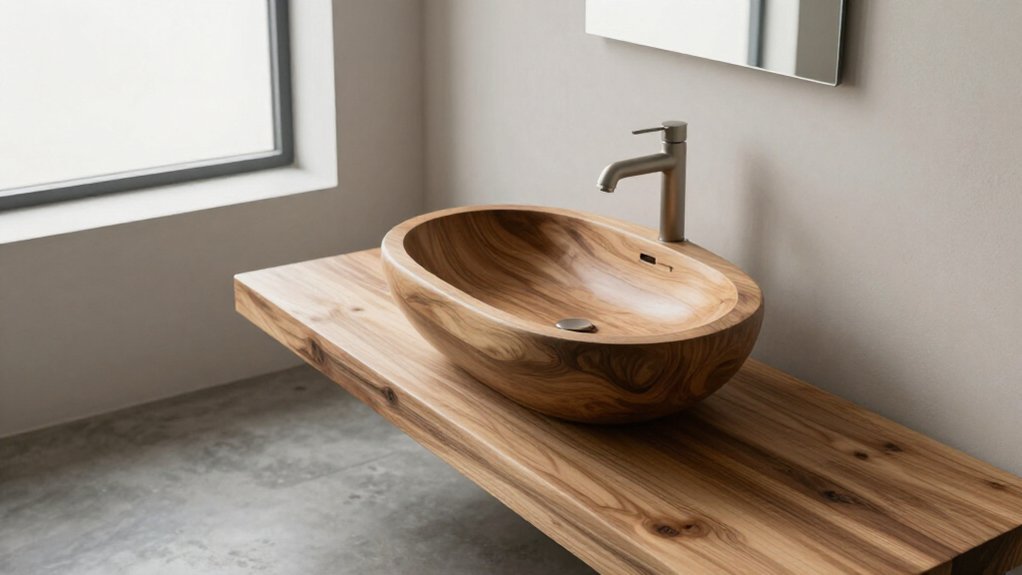
You’ll want to match your vanity size to your available space so nothing feels cramped or lost. For tight spots like powder rooms, stick to 24–30 inch single-sink models that keep floors clear. If you’ve got room to stretch, a 60–72 inch double-sink setup gives everyone breathing room.
Style Category Selection
Freestanding vanities with legs or a full base bring a classic feel and install easily with little wall work. Wall-mounted options float above the floor for a sleek, modern look and simpler mopping, but you’ll need solid studs behind the wall to hold the weight.Whichever style catches your eye, double-check that your sink lines up with existing pipes so you avoid expensive plumbing moves.
Recommended Products

【Premium Vanity Construction】 The Hepburn 30-inch bathroom vanity crafted from premium solid hardwood and plywood for superior strength and durability. Ariel White 30" bathroom vanity with sink provides a longer lifespan than MDF or particle board cabinets and resists moisture, warping, cracking, and paint peeling. A Sherwin-Williams PU coating delivers a durable finish that withstands daily wear and tear. Hidden leveling feet deliver a stable, wobble-free fit on uneven floors.

Sturdy & Durable - The 30 inch bathroom vanity with sink, made of MDF, is sturdy and durable. With its wear-resistant and corrosion-resistant properties, it is also easy to maintain and clean.

Modern Matte Vanity: This vanity showcases a crisp matte white finish with clean lines. Its sealed base keeps dust out, while the ergonomic 3-inch toe-kick enhances comfort legroom during use. Crafted from FSC-Certified durable engineered wood, it delivers lasting performance while seamlessly blending traditional elegance with contemporary style.
Space Size Matching
Before you buy a bathroom vanity, you must match its size to your space and daily habits. Start with vanity height. Traditional units sit 30–32 inches tall, while comfort height reaches about 36 inches. Choose what feels natural for your daily routines.
Check vanity depth next. Most vanities run 21 inches deep, ranging 17–24 inches. This preserves walking space in front and keeps your bathroom functional.
For width, a single sink vanity typically spans 24 to 48 inches. Small bathrooms benefit from floating vanities, which mount to walls and free up floor area. Just confirm your wall handles the weight.
Finally, leave 2–4 inches of side clearance and about 21 inches of front walking space. These simple checks ensure your vanity fits your space size without cramping your style.
Style Category Selection
Now that you’ve nailed down the right size, it’s time to pick a style that fits your bathroom’s personality and your daily routine.
Freestanding Vanity
Choose a freestanding vanity for a traditional or transitional look. It rests on the floor with minimal anchoring, so installation stays simple.
Wall-Mounted (Floating) Vanity
Want a modern, open feel? A wall-mounted (floating) vanity creates that airy look and makes floor cleaning easier. You’ll need secure anchoring into wall studs to support the sink and storage options.
Size Tips for Small Spaces
For small bathrooms or powder rooms, compact vanity sizes, such as 16 to 18 inches deep and 24 to 30 inches wide, keep walkways comfortable. Floating vanities especially help tight spaces feel larger.
Bathroom Vanity Materials That Survive Moisture and Wear
Because your bathroom stays damp day after day, picking the right vanity materials isn’t just about looks, it’s about durability. Bathroom Vanities used in humid spaces need smart construction, and you’ll find several options that work better than standard wood.
Bathroom vanities in humid spaces need smart construction—choose materials that outlast standard wood where dampness never quits.
Base Materials That Last
- Marine-grade plywood resists water without warping
- Stainless steel or aluminum fight corrosion
- PVC stands fully waterproof for worry-free performance
- Moisture-stable MDF holds paint well and costs less
You’ll appreciate how these materials protect your hidden storage inside bathroom cabinets, keeping contents dry and mold-free.
Countertop Choices
Quartz tops the list for busy households. It’s non-porous, so water and beauty products won’t stain it. You skip sealing entirely.
Granite resists scratches better than marble and handles moisture well, though you’ll seal it periodically. Marble looks stunning but demands more care, it’s porous and needs regular sealing.
Want greener options? Bamboo renews rapidly and naturally resists moisture. Recycled glass or paper composite counters blend sustainability with wet-room toughness.
Recommended Products

【Solid Wood Bathroom Cabinet】The cabinet body is crafted from high-quality Yellow Poplar wood—more eco-friendly, sturdy, and durable than MDF or particleboard—ensuring a longer service life. Combined with surface painting treatment, the solid wood material helps the cabinet resist expansion, contraction, and moisture, making it less prone to warping, cracking, or other issues. All for a comfortable user experience.

【Exquisite Design, Crafted with Care】Unlike other fluted vanities, we’ve extended the sleek fluted detailing not only front of the vanities but also along the sides, creating a seamless and sophisticated look. Every corner is softly rounded for safety and elegance, finished with a beautiful wood-grain texture that adds warmth and sophistication to your space.
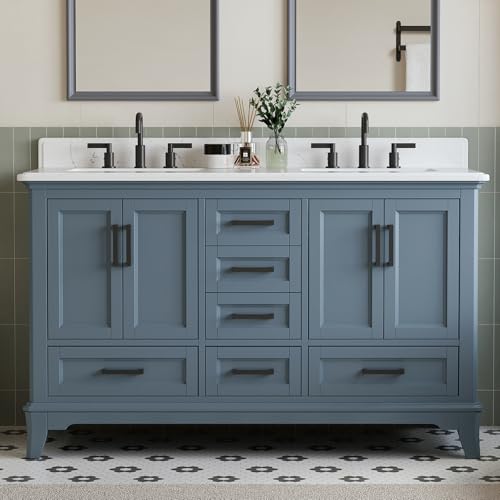
Large storage - Keep everything organized with ample storage space, eliminating clutter and maximizing efficiency.
Sink and Countertop Options for Your Bathroom Vanity
Once you’ve settled on materials that’ll stand up to your bathroom’s humidity, it’s time to think about how you’ll actually use the space day to day. Your sink and countertop choices work together, so you’ll want to match them carefully.
- Undermount sinks sit below the counter for easy wiping
- Integrated sinks blend seamlessly with quartz countertops
- Vessel sinks sit on top and need taller faucets
Undermount or integrated sinks usually pair with deck-mounted faucets, while vessel sinks often need wall-mounted options. Quartz resists stains and scratches, making it popular for busy vanities. Marble looks beautiful but needs more care. Remember, your sink’s height affects visual balance even if Drawers and cabinet doors stay standard. Choose what fits your daily routine.
Recommended Products

VANITY BASE ONLY – Sink top, sink, faucet, drain, handles, mirror, and accessories are not included.

Bathroom Vanity Without Sink: 2 sizes (24/30 Inch) for this bathroom vanity - fits small/large spaces. It’s a practical bathroom sink cabinet (no sink included) with 1 flip-out drawer and 2 soft close doors. Durable wooden material suits humid bathrooms

[Stylish Bathroom Vanity with Sink] Clean light gray finish featuring eye-catching embossed diamond geometric pattern doors that bring modern flair. Raised metal legs deliver both a sleek raised profile and practical everyday benefits.
Bathroom Vanity Storage That Streamlines Your Routine
When you open your bathroom vanity in the morning, you shouldn’t have to dig through a jumbled mess to find your toothbrush or favorite moisturizer. Vanity doesn’t just look good; it works hard to keep your routine smooth.
Options for storage include drawers for small items like razors and cosmetics, plus cabinet space for bulkier towels and cleaning supplies. Open shelving offers quick access to everyday essentials, though you’ll want to leave at least some items tucked away to cut visual clutter.
Shared bathrooms benefit from “zones,” such as double-sink layouts with separate storage for each person. Pull-out trays and drawer dividers organize tools like curling irons, and hidden hampers keep laundry out of sight. Smart storage turns chaotic mornings into simple, streamlined starts.
Recommended Products
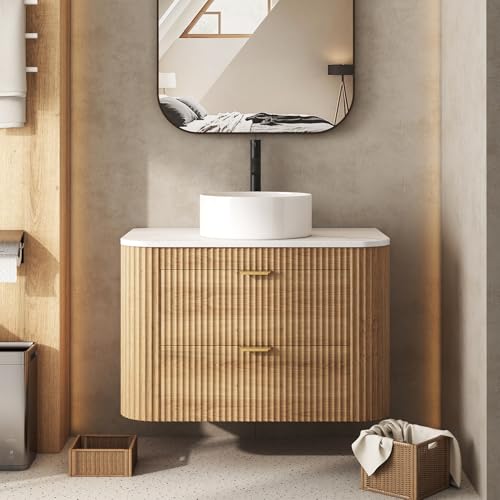
【Space-Saving All-in-One】:floating vanity with counter top sink, 2 deep drawers & wood grain fluted finish,Marble-patterned wooden countertop - perfect for small bathrooms, saving 30% floor space vs traditional vanities.
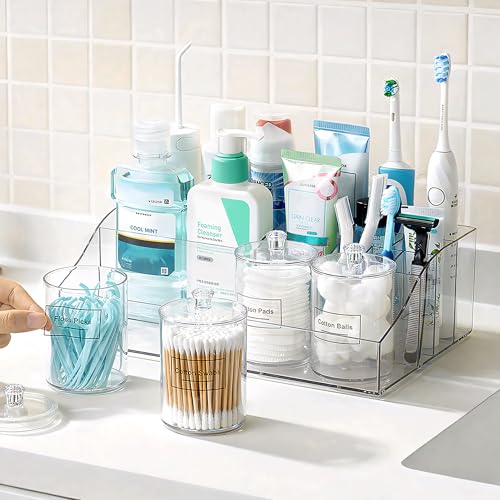
Family-Sized Countertop Organizer: 11 divided sections keep electric toothbrushes, toothpaste, skincare bottles, mouthwash, floss, and razors neatly separated, providing ample space for each family member and reducing countertop clutter

Long-Lasting Use: Made from a solid rubber wood frame and high-quality MDF door and drawer panels with a painted surface, this sturdy bathroom vanity is built for reliable use. Its attractive painted finish is also low-maintenance, making cleaning quick and easy
Wall-Mounted or Freestanding: Choose Your Bathroom Vanity Installation
You’ve figured out how to keep your vanity organized; now it’s time to decide how it actually sits in your bathroom.
You need to know the key differences before choosing between wall-mounted (floating) vanities and freestanding vanities. Here’s what matters:
- Check your plumbing first. Verify drain-line locations so sink height aligns without major pipe work, especially for floating designs hiding the plumbing behind the wall.
- Measure your space. Floating vanities need secure anchoring into wall studs with enough space beneath for cleaning or extra storage. Freestanding units sit on the floor with legs or a full base, often simpler to install with minimal anchoring.
- Confirm electrical placement. If your vanity includes integrated lighting or outlets on either side, match existing wiring to your planned mounting location before you start.
Recommended Products

Larger And Deeper - The dimension of this wall mounted bathroom sink is 21*16*6 inch, included chrome finished overflow to catch rising water and improving draining speed. Our wall mounted white sinks are widely used in home bathroom, restaurant, Office building, school, indoor or outdoor

24 Inch Single-Sink Vanity: This concrete grey floating bathroom vanity includes a black quartz sand basin. Faucet, pop-up drain and mirror are not included.
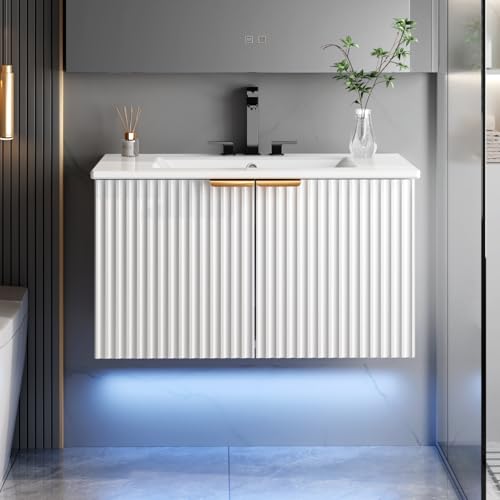
Sleek Floating Bathroom Vanity Design: The ELEVACHIC 30" floating bathroom cabinet complements any style of bathroom. It features a crisp white color with a wave carving design for a simple, modern aesthetic. The wall-mounted structure saves floor space and is easy to maintain and clean stains underneath the cabinet while adding a contemporary charm.

I am Đinh Ai Nguyễn, a content writer at SoftAuraHome.com. For me, home is more than just a place to live. It is where we recover from long days, hold our quiet moments, and create the atmosphere that shapes how we feel. That belief is one of the biggest reasons I wanted to be part of this blog. I started writing about home decor because I have always been drawn to spaces that feel soft, peaceful, and emotionally grounding. I believe a calm room can do more than look beautiful. It can bring comfort, restore energy, and help people feel more connected to themselves and the life they are building. Through Soft Aura Home, I want to share ideas that are not only visually inspiring, but also meaningful in everyday life. With experience in SEO writing and niche content publishing, I understand how to create articles that are clear, useful, and easy to discover. But beyond strategy, I care deeply about how a piece of content makes someone feel. Every article I write is created with the hope of helping readers shape homes that feel gentle, personal, and full of quiet warmth.
Follow on Facebook